Wat Pho, also known as the Temple of the Reclining Buddha, is one of Bangkok's most iconic and historically significant temples. Located just a short walk from the Grand Palace and the Chao Phraya River, this sacred site is a must-visit for anyone exploring Thailand's capital.
Beyond its magnificent golden Buddha, Wat Pho is also home to Thailand's first university and the birthplace of traditional Thai massage. Visiting Wat Pho isn't just about sightseeing — it's a deep cultural experience that combines art, spirituality, and wellness in one serene complex.
Things to Do in Wat Pho
When visiting Wat Pho, there's far more to experience than just its famous Reclining Buddha. The temple complex is a treasure trove of art, spirituality, and living tradition, offering visitors a glimpse into Thailand's rich cultural heritage. As you wander through its serene courtyards and colorful stupas, you'll discover over a thousand Buddha images, intricately decorated prayer halls, and stunning murals depicting Buddhist cosmology. Beyond its architectural beauty, Wat Pho is also the birthplace of traditional Thai massage, where visitors can enjoy authentic treatments at the temple's renowned massage school. From quiet moments of reflection to hands-on cultural experiences, exploring Wat Pho promises a deeply enriching and memorable visit.
What to See in Wat Pho
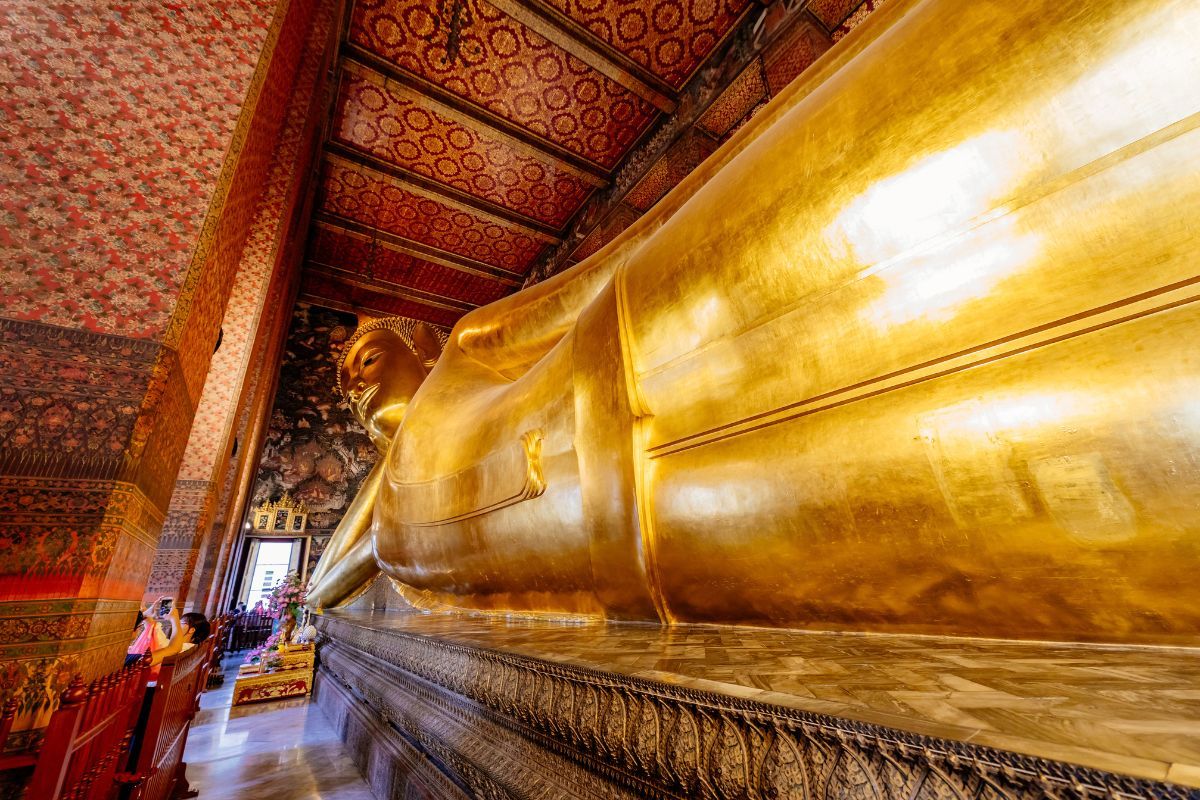
The Reclining Buddha
The highlight of Wat Pho is the breathtaking Reclining Buddha, measuring 46 meters long and 15 meters high, entirely covered in gold leaf. Its feet are inlaid with mother-of-pearl depicting the 108 auspicious symbols of the Buddha. Visitors can also participate in the 108 alms bowl ritual, dropping coins into bowls for good luck and merit-making — an iconic experience within the temple.
The Ordination Hall (Phra Ubosot)
The Phra Ubosot, or main chapel, is one of the most sacred areas within the temple. It houses Phra Buddha Theva Patimakorn, a seated Buddha image atop a tiered golden altar decorated with mother-of-pearl panels. The walls are covered with intricate murals that depict Buddhist cosmology and stories of the Buddha's life. This is also an active place of worship, where you'll often see locals and monks engaging in prayers and rituals.
The Four Great Chedis (Phra Maha Chedi Si Rajakarn)
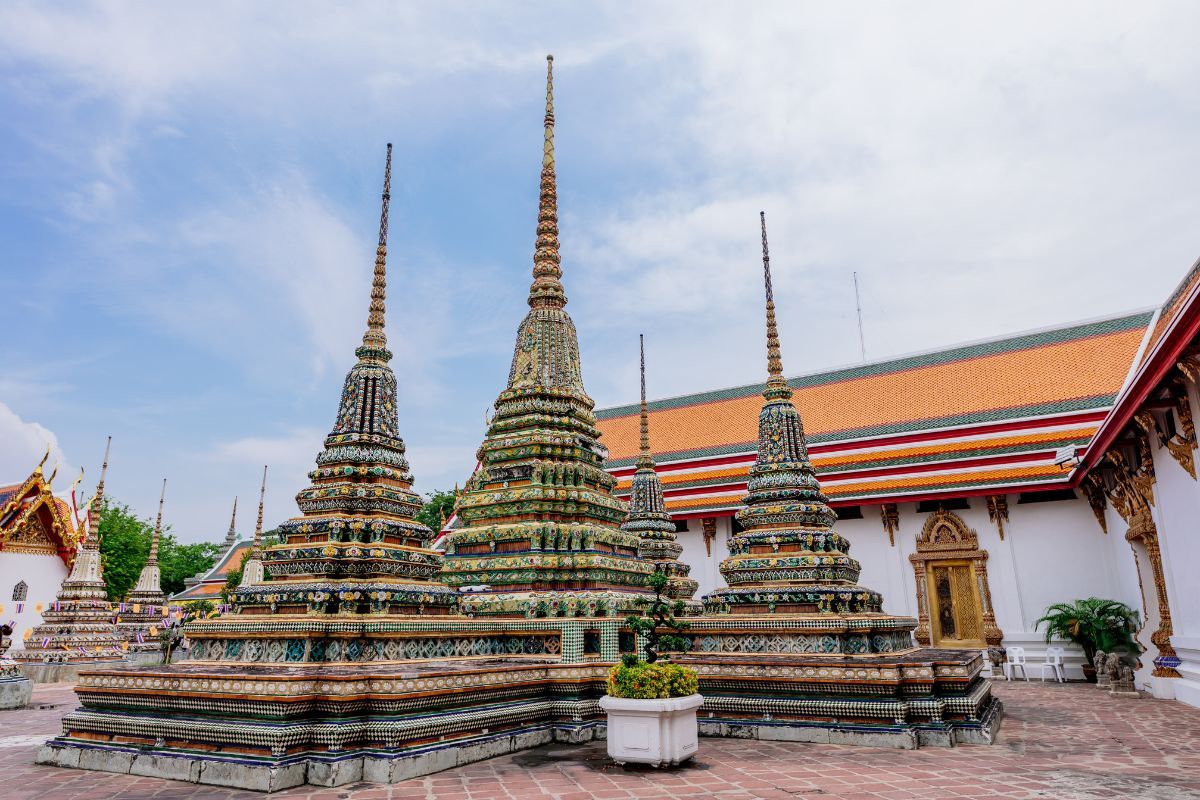
One of Wat Pho's most striking landmarks is the Phra Maha Chedi Si Rajakarn, a group of four towering pagodas (chedis) standing side by side in the temple's main courtyard. These magnificent structures were built to honor the first four kings of the Chakri Dynasty, each representing a key period in Thailand's history. Their design and decoration reflect both artistic beauty and spiritual symbolism.
The Temple Grounds
The temple complex covers 80,000 square meters, with over 1,000 Buddha images — more than any other temple in Thailand. The main chapel (Phra Ubosot) houses the Phra Buddha Theva Patimakorn, an exquisite seated Buddha atop a tiered altar. Around the grounds, you'll find peaceful courtyards, pavilions, and four large stupas (chedis) dedicated to the first four Chakri kings, each adorned with colorful glazed tiles and floral mosaics.
Murals, Sculptures, and Artworks
Every corner of Wat Pho tells a story through art. The temple walls and door panels are adorned with painted murals illustrating the Buddha's teachings, mythical beings, and traditional Thai life. Scattered throughout the temple are Chinese stone statues, guardian demons, and intricate pagodas that blend Thai and Chinese architectural influences. The attention to detail in every carving and mosaic showcases Thailand's artistic mastery.
What to Do in Wat Pho
1. Thai Massage & Wellness
Wat Pho is internationally renowned as the birthplace of traditional Thai massage. The on-site Wat Pho Massage School offers professional massage services by trained therapists. You can enjoy a 30- or 60-minute session that follows ancient healing techniques — perfect for relaxing after exploring Bangkok's temples.
2. Architecture & Artistic Details
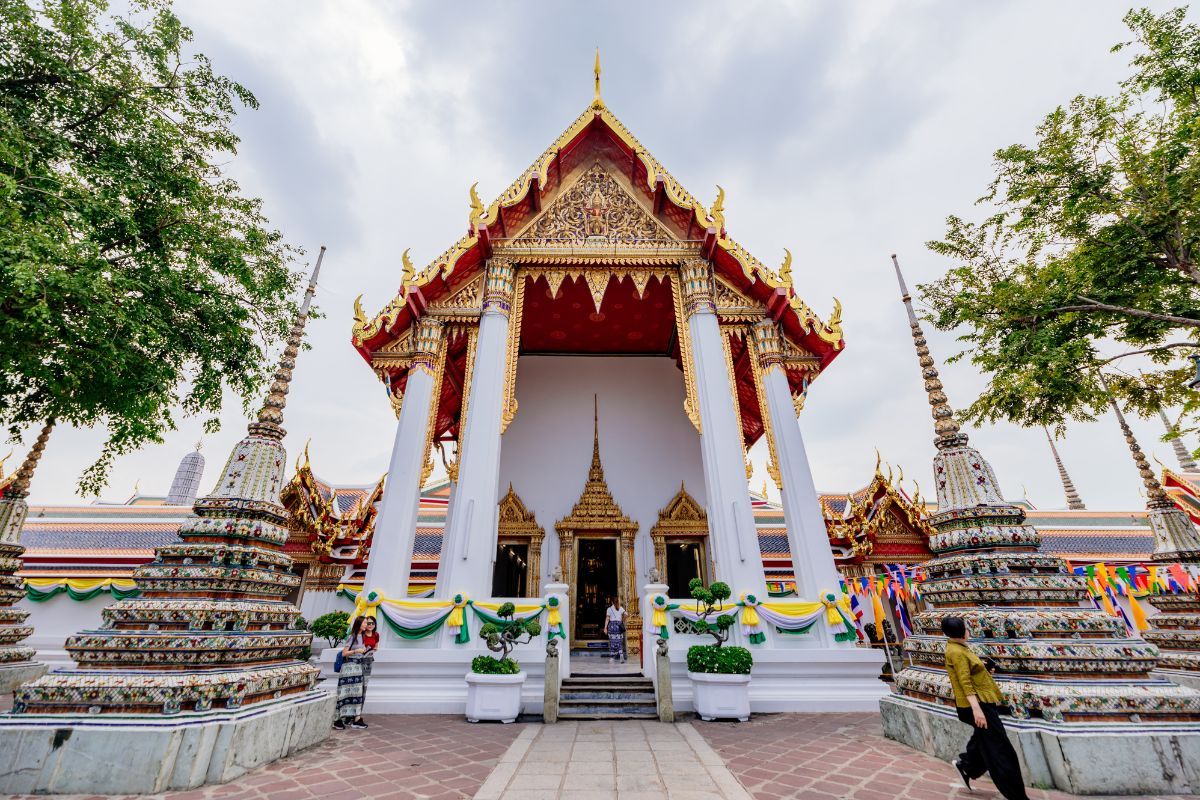
From its multi-tiered roofs and golden spires to hand-painted murals illustrating Buddhist cosmology, Wat Pho is a masterpiece of traditional Thai art. Don't miss the guardian yaksha statues at the gates and the Phra Maha Chedi Si Rajakarn complex, a group of four towering stupas representing the Chakri dynasty.
3. Prayer & Ritual Activities
Visitors can join locals in making offerings, lighting incense, or dropping coins in alms bowls inside the Reclining Buddha hall. Prayer halls are open to everyone, though silence and respect are expected. Many travelers also enjoy capturing the temple's intricate murals and guardian statues that guard every gate.
- Join the 108 Alms Bowl Ritual: Drop coins into the 108 bronze bowls lining the hall for good luck and merit-making. The soft ringing sound adds to the peaceful temple atmosphere.
- Make Offerings and Pray: Light incense, offer flowers, or meditate inside the Phra Ubosot (Ordination Hall) for a moment of calm and spiritual connection.
Murals and Guardian Statues
Take time to wander through Wat Pho's covered walkways, where the walls are adorned with exquisite murals depicting the life of the Buddha, Buddhist cosmology, and scenes of traditional Thai life. These hand-painted masterpieces showcase the artistry of the Rattanakosin era. At the entrances and courtyards, you'll find large Chinese guardian statues, originally brought as ballast in trading ships during the 19th century. These stone figures, depicting warriors and mythical creatures, stand watch at every gate, protecting the temple from evil spirits.
4. Find the Bodhi Tree Garden
In a quiet corner of the temple, you'll find a sacred Bodhi tree, believed to be a descendant of the very tree under which the Buddha attained enlightenment in India. The surrounding garden offers a peaceful retreat for meditation and reflection, with shaded benches and small shrines that invite visitors to pause and connect with the temple's spiritual essence.
5. Visit The Medicine Pavilion
Wat Pho is also renowned for its role in preserving Thailand's ancient knowledge. Visit the Medicine Pavilion, where you can learn about traditional Thai medicine, herbal healing, and massage techniques. This area once housed Thailand's first public university, established under King Rama III, dedicated to education in religion, science, and traditional medicine. Stone inscriptions and diagrams on the walls illustrate anatomy, reflexology, and herbal remedies, offering a fascinating glimpse into Thailand's holistic healing traditions.
6. Learn About Thai Healing Traditions
Wat Pho is the birthplace of traditional Thai massage and medicine. Explore the stone inscriptions showing ancient healing techniques and reflexology points created under King Rama III. Visit the Wat Pho Massage School to see students in training or enjoy an authentic treatment yourself. It's a unique way to connect with Thailand's wellness heritage.
7. Photograph the Details
Wat Pho offers endless photo opportunities with its golden spires, mosaic-tiled stupas, and ornate rooftops. Capture the beauty of the Reclining Buddha, guardian statues, and courtyards glowing in natural light. Visit in the early morning or late afternoon for the best lighting and fewer crowds. Every corner reflects the temple's timeless artistry and spiritual calm.
Tips for Praying and Donating at Wat Pho
1. Prepare Your Offerings Respectfully
Before entering the main halls, visitors can buy flower garlands, incense, and candles from nearby vendors or temple stalls. Offer these respectfully at shrines or Buddha images. Always remove shoes before entering prayer areas and keep your body lower than Buddha statues when sitting or bowing.
2. Follow Proper Prayer Etiquette
When praying, kneel or sit cross-legged with hands pressed together in a wai gesture. Keep your voice low and avoid walking in front of worshippers or monks. If you wish, you may light incense and candles, then bow three times — once each for the Buddha, Dharma (teachings), and Sangha (monkhood).
3. Participate in Merit-Making Activities
Wat Pho offers many ways to make merit, such as donating to temple upkeep, offering robes to monks, or releasing live fish or turtles in nearby rivers (through temple-approved vendors). Inside the Reclining Buddha hall, don't miss the 108 alms bowl ritual — dropping a coin into each bowl symbolizes prosperity and the spreading of positive karma.
4. Donate Mindfully
Donations can be made at official boxes around the temple; these support monk education, temple maintenance, and community welfare. Avoid giving money directly to individuals unless they are wearing official temple identification. If you'd like to make a larger offering, speak to a temple attendant who can guide you properly.
5. Be Present and Respectful
Treat your visit as a spiritual moment rather than just sightseeing. Move slowly, speak softly, and avoid taking selfies during prayers. Whether you're lighting incense, donating coins, or meditating quietly, every small act of mindfulness and respect contributes to the peaceful energy of Wat Pho.
Wat Pho Itineraries - How to Plan Your Visit
Whether you're visiting Wat Pho for a quick stop or planning a full cultural experience, you can tailor your visit based on your time and interests. Here are three itinerary options to help you make the most of your trip:
Quick Visit (Approx. 1 Hour): Main Hall + Reclining Buddha
If you're short on time, focus on the temple's highlights — the Reclining Buddha and the Ordination Hall (Ubosot). Start by exploring the immense Reclining Buddha, admiring its 46-meter length and intricate mother-of-pearl feet.
Take a short walk around the hall to see the 108 bronze bowls where visitors drop coins for good luck. Then, spend the remaining time in the main Ordination Hall, where the principal Buddha image, Phra Buddha Theva Patimakorn, sits surrounded by stunning murals.
This route gives you a glimpse of Wat Pho's artistry and spiritual atmosphere in under an hour.
Standard Visit (2-3 Hours): Full Grounds + Thai Massage
For a more complete experience, allow two to three hours to explore Wat Pho's entire temple grounds. Wander through the Phra Maha Chedi Si Rajakarn, admire the four colorful stupas representing the first four kings of the Chakri Dynasty, and stroll through courtyards filled with over 1,000 Buddha images.
Don't miss the Traditional Thai Massage School, where you can enjoy an authentic Thai massage in the temple's historic setting — perfect for relaxing after walking around in Bangkok's heat.
This itinerary balances cultural discovery with rejuvenation, offering both insight and comfort.
Extended Cultural Route (Half Day): Wat Pho + Grand Palace + River Cruise
Turn your visit into a half-day cultural journey through Bangkok's historic heart. Begin your morning at Wat Pho, taking time to explore the full complex.
Then walk about 10 minutes north to the Grand Palace and Wat Phra Kaew, home to the Emerald Buddha and Thailand's most revered royal architecture.
Afterward, cross the Chao Phraya River by ferry from Tha Tien Pier to visit Wat Arun (Temple of Dawn) — or end your trip with a river cruise to enjoy panoramic views of Bangkok's skyline. This route combines temples, royal heritage, and riverside charm — a perfect way to experience the city's cultural soul.
FAQs of Things to Do in Wat Pho
Q: What is the best way to get to Wat Pho?
A: The easiest and most scenic way is by boat. Take the Chao Phraya Express Boat (Orange Flag line) to the Tha Tien Pier (N8). The temple is just a short walk from the pier. You can also take a taxi or Grab, but be prepared for Bangkok traffic.
Q: How much time should I plan for my visit?
A: Typically 1-2 hours, longer if you include a massage or photography time.
Q: Can I really get a massage inside Wat Pho?
A: Yes! The Wat Pho Thai Traditional Medical and Massage School is located on the temple grounds. It's one of the most authentic (and popular) places to get a traditional Thai massage.
Q: How much is the massage and do I need to book?
A: Prices are higher than outside the temple but are set by the school. You cannot book in advance; you must go to the massage pavilion, get a ticket, and wait your turn. The wait can be 30 minutes to over an hour during peak times.
Q: Are guided tours available?
A: Yes, guided tours can be arranged at the entrance or booked online. Audio guides are also available in multiple languages.