Songkran in Bangkok is loud, joyful, chaotic, and deeply meaningful all at once. It is one of the few places where you can witness ancient New Year rituals in the morning and be part of city-wide water fights by the afternoon. From major streets turning into open-air celebrations to temples hosting traditional ceremonies, Bangkok offers the most layered and energetic Songkran experience in Thailand.
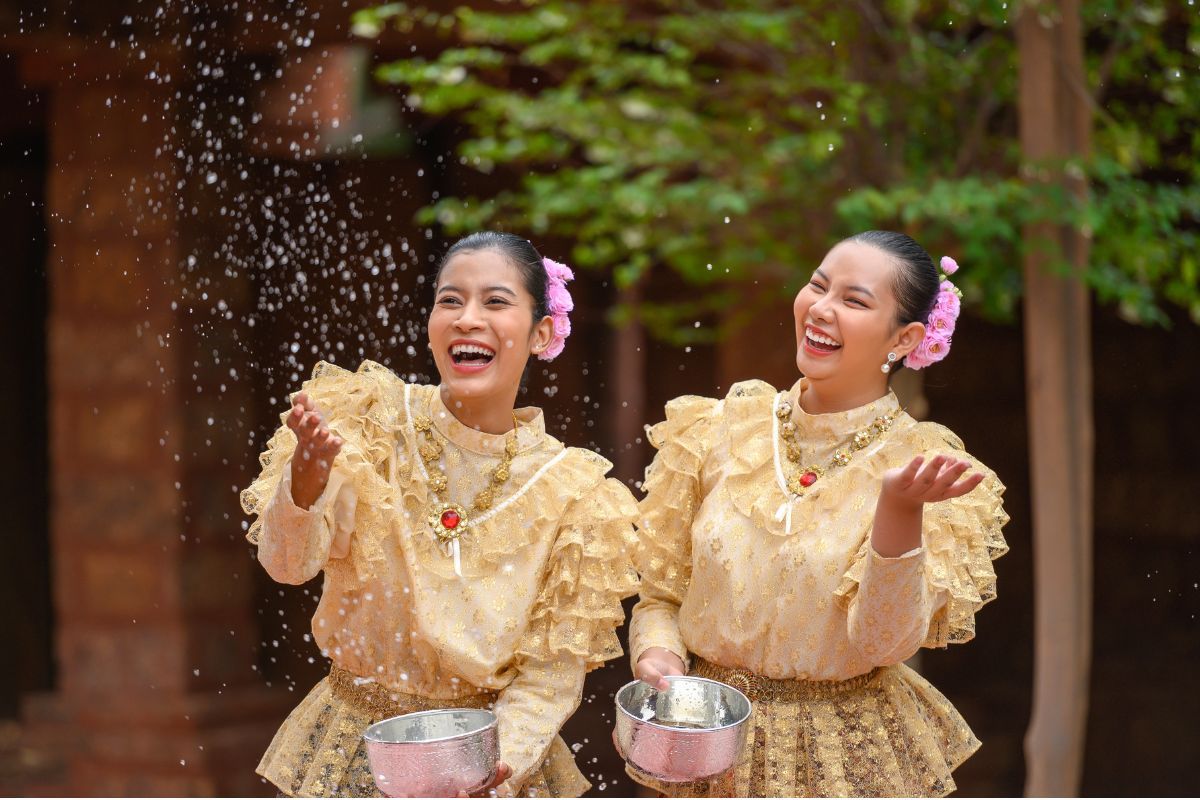
What Is Songkran? Thailand’s New Year Festival Explained
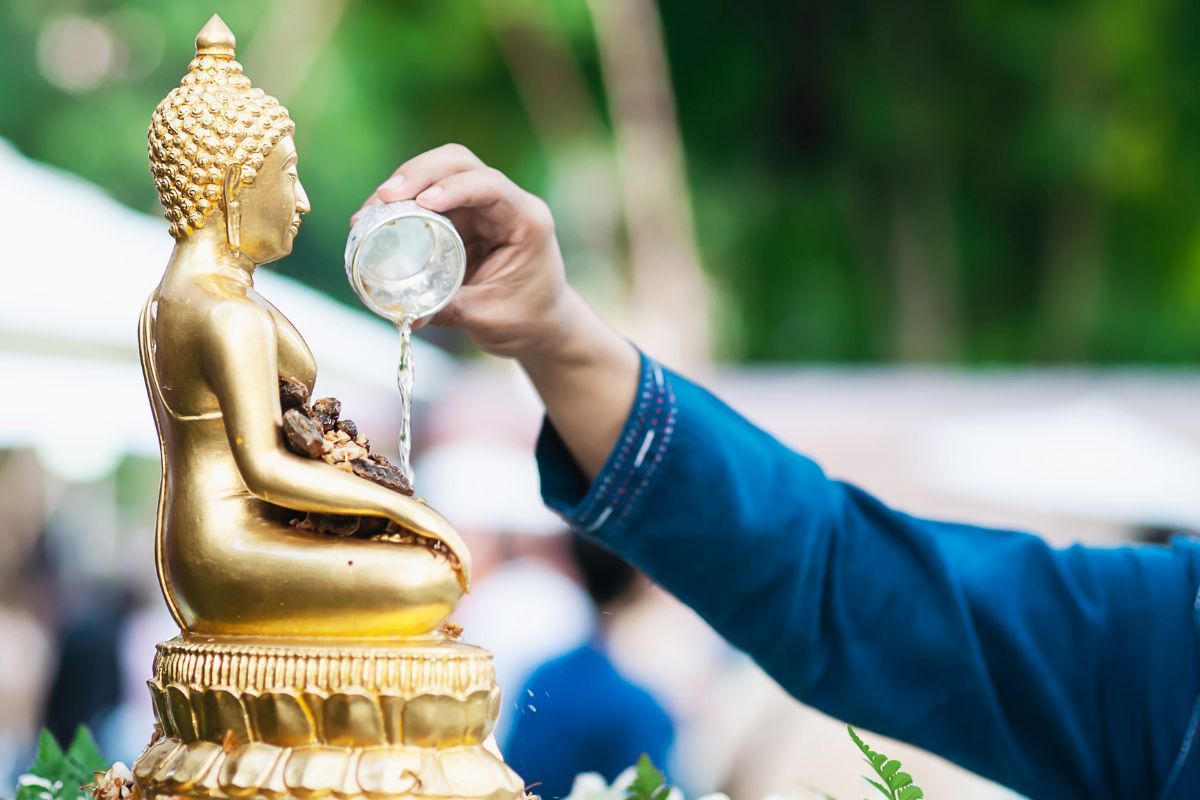
Songkran marks the traditional Thai New Year and is one of the most important cultural events in the country. The festival is deeply rooted in ideas of renewal, cleansing, and respect, symbolizing the transition from the old year to the new. Traditionally, water was used in a gentle and meaningful way, poured slowly over Buddha images and the hands of elders to wash away misfortune and bring blessings, good health, and prosperity for the year ahead.
Songkran also carries strong spiritual significance. Many people begin the festival by visiting temples, offering food to monks, and participating in merit-making activities. Homes are cleaned, family members reunite, and respect is shown to parents, grandparents, and community leaders. These quieter traditions remain at the heart of Songkran, even as the festival has grown more celebratory.
Over time, especially in urban centers, these symbolic rituals evolved into large-scale public water celebrations. What started as a gentle act of blessing became an expression of joy and communal participation. In Bangkok, this evolution is especially visible, as the city combines traditional observances with modern entertainment and city-wide festivities.
During Songkran in Bangkok, the festival typically includes:
- Religious rituals and merit-making at temples and community centers
- Family gatherings and cultural performances showcasing Thai music, dance, and heritage
- Massive public water fights that transform major streets into open celebration zones
What truly sets Bangkok apart from other cities is its scale and diversity. Entire districts participate simultaneously, from historic royal grounds to modern shopping areas. Public transport systems adjust schedules to accommodate crowds, roads close to make way for celebrations, and neighborhoods across the city adopt their own styles of observance. The contrast between serene morning rituals and energetic afternoon water battles highlights how Bangkok embraces both tradition and modern celebration, making Songkran here uniquely dynamic and unforgettable.
Songkran Dates in Bangkok (2026 Update)
Songkran in Bangkok follows the national holiday calendar, but the way the festival unfolds in the capital is broader and longer than the official dates suggest. Knowing how the dates work helps travelers plan accommodation, transport, and daily activities more realistically.
Official Songkran Dates
In 2026, the official Songkran holiday in Bangkok runs from April 13 to April 15. These three days are recognized nationwide as public holidays and are the core period for traditional ceremonies, family gatherings, and organized celebrations.
During these dates, you can expect:
Temple visits and merit-making activities in the mornings
City-organized Songkran events and cultural programs
Widespread water celebrations across major streets and neighborhoods
Extended Celebrations in Bangkok
While April 13--15 are the official dates, Songkran in Bangkok rarely stays confined to just three days. In practice, celebrations often begin a few days earlier and continue for several days afterward.
In particular:
Entertainment and nightlife districts may start water play before April 13
Popular celebration zones can remain active until April 16 or 17
Some local neighborhoods celebrate on different days based on community traditions
For visitors, this means flexibility. Even if you arrive slightly before or after the official dates, you can still experience Songkran-style water play and festive energy in many parts of the city.
Public Holidays and What Stays Open
During the official Songkran holidays:
Government offices and banks are closed
Post offices and some local services may operate on limited schedules
However, Bangkok remains very tourist-friendly:
Shopping malls stay open, often with normal or extended hours
Convenience stores, supermarkets, and pharmacies remain open
Restaurants and cafés mostly operate as usual, especially in central areas
Tourist attractions generally stay open, though some may adjust opening hours
Public transport continues to operate, with BTS and MRT services running as normal, making it easy to move around even during the holidays.
Planning Tip
If you want the fullest Songkran experience, plan to be in Bangkok between April 12 and April 16. This window covers the buildup, the official celebration days, and the tail end of extended festivities, giving you both cultural and high-energy experiences without needing perfect timing.
Understanding the difference between official dates and real-world celebrations helps set expectations and ensures you make the most of Songkran in Bangkok in 2026.

Best Places to Celebrate Songkran in Bangkok
Each area in Bangkok offers a different Songkran atmosphere, from intense street battles to calm cultural spaces.
Silom Road: Large-Scale Street Water Fights
Silom Road is famous for hosting one of the largest Songkran celebrations in the city.
Dense crowds and non-stop water fights
Loud music, stages, and a festival-like atmosphere
Best for energetic travelers and party-seekers
Expect road closures and very heavy crowds, especially in the afternoon.
Khao San Road: Backpacker and Party Hub
Khao San Road delivers a full-day celebration.
All-day water battles starting late morning
International crowd and lively nightlife
Bars, street food, and music throughout the day
This area suits travelers who want an immersive, social Songkran experience.
Sanam Luang: Traditional and Cultural Celebrations
Sanam Luang focuses on heritage rather than water fights.
Cultural performances and ceremonies
Buddha image bathing rituals
Family-friendly and respectful atmosphere
Ideal for visitors interested in the cultural side of Songkran.
Other Popular Areas
Siam Square for youth-focused celebrations
MBK Center area for organized water play
Yaowarat for smaller community celebrations
Residential neighborhoods often host relaxed, local-style water play
To discover where the celebrations are most vibrant, cultural, or family-friendly, read more about the best places to celebrate Songkran in Bangkok and choose the area that matches your travel style.
Major Songkran Events and Festivals in Bangkok
In addition to spontaneous street celebrations, Bangkok hosts a wide range of officially organized Songkran events each year. These events are usually supported by city authorities, cultural organizations, and major commercial districts, making them more structured, accessible, and suitable for different types of visitors.
Unlike informal water fights that happen everywhere, official Songkran events are designed to showcase both Thai culture and modern entertainment, often with clear zones, schedules, and safety measures.
City-Organized Songkran Festivals
Large public spaces across Bangkok are typically transformed into festival grounds during Songkran. These events often include:
Opening ceremonies highlighting Thai New Year traditions
Public Buddha image bathing areas
Cultural demonstrations related to Thai customs, food, and crafts
These festivals are ideal for visitors who want context and structure rather than pure chaos, and they often attract families, older visitors, and first-time travelers.
Live Music and Entertainment Zones
Many Songkran events feature dedicated entertainment stages with:
Live bands and DJs
Dance performances and crowd activities
High-energy music zones combined with controlled water play
These zones are especially popular in the afternoon and evening, when temperatures drop slightly and crowds grow. They appeal to younger travelers and those looking for a festival-like atmosphere without committing to all-day street battles.
Cultural Exhibitions and Traditional Performances
To balance modern celebrations, Bangkok also emphasizes cultural preservation during Songkran. At official events, visitors may see:
Traditional Thai dance and music performances
Historical exhibitions explaining Songkran's origins
Demonstrations of traditional dress, rituals, and local crafts
These elements help visitors understand that Songkran is more than a water festival and provide meaningful experiences beyond photos and water fights.
Designated Family-Friendly Areas
Some Songkran events clearly designate zones for families and children. These areas typically feature:
Softer water play with rules against high-pressure water guns
Daytime-only schedules
Open spaces with better crowd control
Family-friendly zones allow children to participate safely while giving parents peace of mind.
Daytime vs Evening Atmosphere
The mood of Songkran events in Bangkok changes noticeably throughout the day:
Daytime events focus more on culture, rituals, and gentle water play
Evening events shift toward music, lighting, and nightlife-oriented celebrations
Visitors can easily choose events based on energy level and interest, attending cultural activities earlier in the day and entertainment zones later on.
Why Official Events Are Worth Visiting
Clear schedules and organized spaces
Better crowd management than informal street zones
Suitable for first-time visitors and families
A good balance between tradition and modern celebration
Including at least one official Songkran event in your itinerary helps round out the experience, offering structure and cultural insight alongside Bangkok's famous spontaneous water fights.
What to Expect During Songkran in Bangkok
Songkran in Bangkok follows a clear daily rhythm, but within that structure the experience can vary dramatically depending on where you are and what time of day you step outside. Understanding this flow helps visitors enjoy the festival without feeling overwhelmed.
Daily Rhythm of Songkran
Morning: Temples and Cultural Rituals
Mornings are the calmest and most traditional part of the day. Locals visit temples to make merit, offer food to monks, and take part in Buddha image bathing rituals. In residential neighborhoods, families gather quietly, and elders are respectfully blessed with gently poured water. This is the best time for travelers who want to experience the cultural heart of Songkran without crowds or noise.
Afternoon: Peak Water Fights and Street Celebrations
By late morning and into the afternoon, the mood shifts. Major streets, popular districts, and public squares transform into large-scale water battle zones. Buckets, water guns, hoses, and music fill the streets, and nearly everyone passing through gets soaked. This is the most energetic part of the day, with crowds at their largest and water play at its most intense.
Evening: Nightlife Zones and Music Events
As the sun sets, water play gradually tapers off in some areas, while entertainment districts come alive. Evening events often feature live music, DJs, and stage performances. Some zones continue water activities under lights, while others shift toward dancing, socializing, and nightlife. This period attracts younger crowds and travelers looking for a festival atmosphere.
Overall Atmosphere During Songkran
Throughout the city, the atmosphere is loud, joyful, and highly social. Music plays constantly from portable speakers, bars, and official stages. Cheers, laughter, and splashing water fill the air, creating a sense of shared celebration among strangers.
In busy areas, streets can feel chaotic, with dense crowds, slippery surfaces, and nonstop movement. In quieter neighborhoods and cultural zones, the experience is more relaxed and respectful. The contrast between these environments is part of what makes Songkran in Bangkok unique.
For visitors, the key is choosing the right places at the right times. Whether you prefer a peaceful cultural morning or an all-out afternoon water fight, Bangkok offers a Songkran experience that matches your energy level while remaining unmistakably festive.
Songkran Traditions and Cultural Etiquette
While Songkran is widely known for its joyful water celebrations, its foundation lies in respect, renewal, and mindfulness. Understanding the cultural meaning behind the festival helps visitors participate appropriately and ensures a positive experience for everyone involved.
Respectful Water Rituals
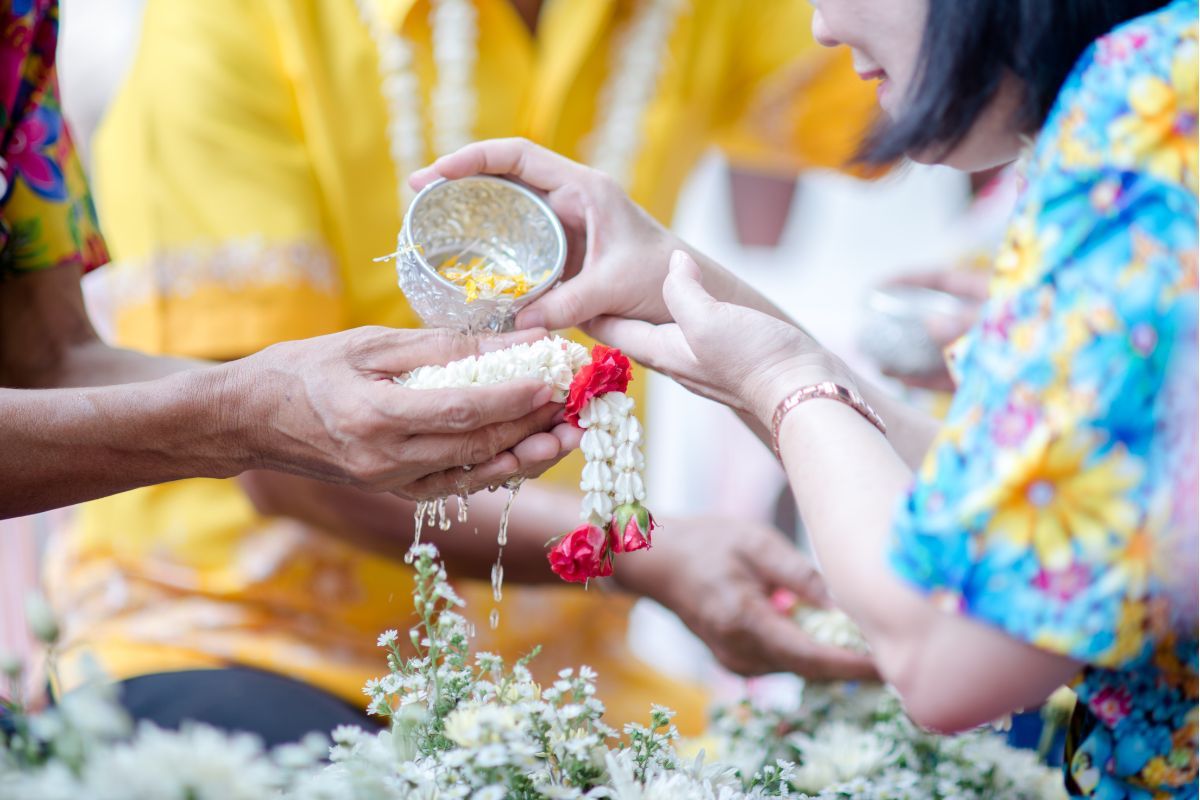
Gently bathing Buddha images is one of the most important Songkran traditions. This ritual symbolizes cleansing away bad luck and welcoming blessings for the new year. At temples and official events, water is usually poured slowly over statues, often infused with fragrant flowers. Visitors are welcome to take part, but should follow the calm pace set by locals and avoid playful splashing in these sacred spaces.
Showing Respect to Monks, Elders, and Families
Respect is central to Songkran. Monks, elderly people, and families with young children should not be targeted with water play unless they clearly welcome it. In many households, younger family members gently pour water over the hands of elders as a sign of gratitude and respect. Observing these moments quietly is appreciated and offers insight into the festival's deeper meaning.
Knowing Where Water Play Is Not Appropriate
Water fights are part of the celebration, but there are clear boundaries. Inside temples, around prayer areas, and near people who are working or traveling, water play is considered disrespectful. If someone is carrying electronics, wearing work clothes, or actively avoiding the festivities, it is best to leave them dry. Reading body language and following local behavior helps avoid uncomfortable situations.
General Etiquette Tips for Visitors
Use clean water only and avoid ice or high-pressure sprays
Avoid aiming water at faces, especially at close range
Dress modestly when visiting temples, even if clothes are wet
Be mindful of personal space in crowded areas
Understanding and respecting these customs transforms Songkran from a simple water festival into a meaningful cultural experience. By following local etiquette, visitors not only avoid misunderstandings but also gain a deeper appreciation of Songkran as a celebration of renewal, respect, and community.
Getting Around Bangkok During Songkran
Getting around Bangkok during Songkran requires flexibility and realistic expectations. Traffic patterns change, some streets close entirely, and crowds can slow movement, especially in major celebration zones. Choosing the right transport options makes a noticeable difference.
Public Transport Is Your Best Option
The BTS Skytrain and MRT are the most reliable ways to move around the city during Songkran. Trains generally operate as usual and bypass road congestion caused by water celebrations. Stations near major celebration areas can get crowded, but they remain far more predictable than traveling by car.
Expect Road Closures and Heavy Traffic
Many main roads are closed or partially restricted during peak celebration hours, especially in popular districts. Taxis and ride-hailing services may face long delays, limited routes, or higher fares. Even short car journeys can take much longer than expected, so relying on road transport during the day is rarely efficient.
Walking Can Be Faster Than You Think
Near celebration zones, walking short distances is often the fastest option. Streets may be closed to vehicles but remain open to pedestrians. If you are comfortable getting wet, walking allows you to move freely between areas without waiting for transport. Just be cautious of slippery surfaces and dense crowds.
Planning Tips
Stay near a BTS or MRT station to reduce travel time
Travel early in the morning or later in the evening to avoid peak crowds
Expect slower movement near major celebration areas
Keep routes flexible and avoid strict schedules
Where to Eat During Songkran
Despite the holiday atmosphere, Bangkok remains one of the easiest cities to eat well during Songkran. Food options stay widely available, though patterns shift slightly during the festival.
Street Food Remains Active
Street food stalls in busy areas often remain open throughout Songkran, especially those serving quick, popular dishes. High foot traffic keeps turnover fast, and many vendors adapt to wet conditions by simplifying menus. Eating street food during Songkran feels lively and social, as meals often blend into the surrounding celebration.
Cooling Dishes and Refreshing Treats
With the heat and constant water play, lighter and cooling foods become especially popular. Travelers often gravitate toward:
Noodle soups and chilled noodle dishes
Fresh fruit and fruit shakes
Iced desserts and sweet treats
These options are easy to eat, refreshing, and widely available near celebration zones.
Air-Conditioned Dining in Shopping Malls
Major shopping malls provide a reliable break from heat, crowds, and noise. Food courts and restaurants inside malls stay open and offer:
Dry, air-conditioned comfort
Wide dining choices for all budgets
Restrooms and seating for recovery breaks
Malls are ideal for lunch or early dinner before heading back out for evening celebrations.
Dining Tip
Plan meals around the festival rhythm. Eat earlier in the day to avoid peak crowds, use malls as recovery stops, and treat street food as both a meal and part of the Songkran experience itself.
Tips for Celebrating Songkran
What to Wear and Bring for Songkran
Preparing properly for Songkran makes the difference between an enjoyable day and a frustrating one. You will get wet, often repeatedly, so comfort, protection, and practicality matter more than style.
Clothing Tips
Choose clothes with the expectation that they will be soaked within minutes.
Quick-dry clothes are essential. Lightweight fabrics dry faster and feel more comfortable throughout the day.
Lightweight layers help you adapt as you move between outdoor water fights and air-conditioned malls or transport.
Clothes you do not mind getting soaked are best. Avoid heavy fabrics or anything that becomes uncomfortable when wet.
When visiting temples or cultural areas, remember to dress modestly even if clothes are wet, covering shoulders and knees where required.
Essentials to Bring
Carrying the right items keeps your day stress-free.
Waterproof phone pouch to protect your phone while still allowing photos and navigation
Small crossbody bag that stays secure and close to your body
Sunscreen to protect against strong midday sun, even on cloudy days
Secure footwear such as sandals or shoes with good grip to prevent slipping
Avoid bringing valuables you do not need. The lighter you travel, the easier the experience.
Safety Tips for Celebrating Songkran
Songkran is fun and friendly, but it takes place in crowded, wet conditions. Staying mindful helps you enjoy the festival safely.
Stay aware in crowded areas, especially during peak afternoon celebrations when streets are busiest
Protect valuables and electronics using waterproof cases and zipped bags
Drink plenty of water and take breaks to avoid dehydration and heat exhaustion
Watch for slippery surfaces, particularly on tiled sidewalks and near road edges
Avoid excessive alcohol, as wet conditions and crowds increase the risk of accidents
Taking these precautions allows you to focus on the celebration itself. With the right preparation, Songkran becomes a joyful, energetic experience that feels exciting rather than overwhelming.
Suggested Songkran Itineraries in Bangkok
Songkran can feel overwhelming without a plan. These suggested itineraries help you experience both the cultural and playful sides of the festival, whether you have one day, several days, or are traveling as a family.
1-Day Songkran Experience (Best for Short Visits)
This itinerary is ideal if you are in Bangkok briefly and want a well-rounded introduction to Songkran.
Morning: Cultural Start near Sanam Luang
Begin the day calmly with a visit to temples and cultural zones around Sanam Luang. Participate in traditional Buddha image bathing, observe merit-making rituals, and walk through nearby historic areas while the atmosphere is still quiet. This is the best time to understand the meaning behind Songkran before the city becomes lively.
Afternoon: Water Fights at Silom Road or Khao San Road
Choose your vibe. Silom Road offers large-scale, high-energy water fights with dense crowds and music, while Khao San Road feels more social and international. Expect to get soaked quickly and stay for a few hours rather than trying to move around too much.
Evening: Street Food and Nightlife
As water play winds down, dry off and head to a nearby food area or shopping mall for dinner. Finish the day with casual nightlife, live music, or a relaxed walk through lively streets still buzzing with festival energy.
3-Day Songkran Plan (Balanced Experience for First-Timers)
This plan allows you to enjoy Songkran at a comfortable pace without feeling rushed.
Day 1: Cultural Zones and Temples
Spend the first day focusing on tradition. Visit temples in the Old Town area, cultural exhibitions, and city-organized Songkran events. This slower start helps you appreciate the festival's roots and avoids peak crowds.
Day 2: Silom Road Water Fights
Dedicate an entire afternoon to Silom Road. Arrive early to get oriented, then enjoy the full scale of Bangkok's most famous water celebration. Take breaks when needed and use BTS stations nearby for an easy exit.
Day 3: Khao San Road and Local Neighborhoods
Explore Khao San Road for a different atmosphere, then wander nearby local streets where smaller, community-style celebrations happen. This mix shows how Songkran feels both as a global party and a local tradition.
Family-Friendly Songkran Route
Traveling with children or preferring a calmer experience does not mean missing out on Songkran.
Focus on Cultural and Organized Areas
Visit temples, Sanam Luang, and official Songkran events that emphasize tradition and controlled water play. These spaces are more structured and respectful.
Avoid Peak Crowd Zones
Skip Silom Road and the busiest sections of Khao San Road, especially in the afternoon. Crowds and water pressure can be intense for younger children.
Plan Daytime Activities Only
Stick to morning and early afternoon outings, when temperatures are manageable and events are quieter. Return to your accommodation before evening crowds grow.
Itinerary Planning Tips
Choose one main celebration area per day
Stay near BTS or MRT stations for easy movement
Build in rest and dry-off breaks
Adjust plans based on weather and energy levels
With the right itinerary, Songkran in Bangkok becomes an enjoyable, memorable experience rather than a tiring one. Whether you prefer cultural discovery, energetic water fights, or family-friendly celebrations, the city offers a route that fits your travel style.
Suggested Songkran Itineraries in Bangkok
Songkran can feel overwhelming without a plan. These suggested itineraries help you experience both the cultural and playful sides of the festival, whether you have one day, several days, or are traveling as a family.
1-Day Songkran Experience (Best for Short Visits)
This itinerary is ideal if you are in Bangkok briefly and want a well-rounded introduction to Songkran.
Morning: Cultural Start near Sanam Luang
Begin the day calmly with a visit to temples and cultural zones around Sanam Luang. Participate in traditional Buddha image bathing, observe merit-making rituals, and walk through nearby historic areas while the atmosphere is still quiet. This is the best time to understand the meaning behind Songkran before the city becomes lively.
Afternoon: Water Fights at Silom Road or Khao San Road
Choose your vibe. Silom Road offers large-scale, high-energy water fights with dense crowds and music, while Khao San Road feels more social and international. Expect to get soaked quickly and stay for a few hours rather than trying to move around too much.
Evening: Street Food and Nightlife
As water play winds down, dry off and head to a nearby food area or shopping mall for dinner. Finish the day with casual nightlife, live music, or a relaxed walk through lively streets still buzzing with festival energy.
3-Day Songkran Plan (Balanced Experience for First-Timers)
This plan allows you to enjoy Songkran at a comfortable pace without feeling rushed.
Day 1: Cultural Zones and Temples
Spend the first day focusing on tradition. Visit temples in the Old Town area, cultural exhibitions, and city-organized Songkran events. This slower start helps you appreciate the festival's roots and avoids peak crowds.
Day 2: Silom Road Water Fights
Dedicate an entire afternoon to Silom Road. Arrive early to get oriented, then enjoy the full scale of Bangkok's most famous water celebration. Take breaks when needed and use BTS stations nearby for an easy exit.
Day 3: Khao San Road and Local Neighborhoods
Explore Khao San Road for a different atmosphere, then wander nearby local streets where smaller, community-style celebrations happen. This mix shows how Songkran feels both as a global party and a local tradition.
Family-Friendly Songkran Route
Traveling with children or preferring a calmer experience does not mean missing out on Songkran.
Focus on Cultural and Organized Areas
Visit temples, Sanam Luang, and official Songkran events that emphasize tradition and controlled water play. These spaces are more structured and respectful.
Avoid Peak Crowd Zones
Skip Silom Road and the busiest sections of Khao San Road, especially in the afternoon. Crowds and water pressure can be intense for younger children.
Plan Daytime Activities Only
Stick to morning and early afternoon outings, when temperatures are manageable and events are quieter. Return to your accommodation before evening crowds grow.
Itinerary Planning Tips
Choose one main celebration area per day
Stay near BTS or MRT stations for easy movement
Build in rest and dry-off breaks
Adjust plans based on weather and energy levels
With the right itinerary, Songkran in Bangkok becomes an enjoyable, memorable experience rather than a tiring one. Whether you prefer cultural discovery, energetic water fights, or family-friendly celebrations, the city offers a route that fits your travel style.
Songkran in Bangkok is far more than a citywide water fight. It is a New Year celebration shaped by tradition, community, and renewal, brought to life on a scale only Bangkok can offer. Experiencing it here reveals Thailand’s cultural heart alongside its modern energy, from temple rituals to vibrant street celebrations. With the right planning and mindset, Songkran becomes a gateway to exploring more of Bangkok, including where to eat in Bangkok during the festival, where to stay in Bangkok for easy access to celebration areas, and the best time to visit Bangkok for different travel styles. Seen this way, Songkran is not just a festival, but one of the most memorable ways to experience the city itself.
FAQs – Songkran in Bangkok
What is Songkran in Bangkok?
Songkran is Thailand's traditional New Year celebration, held every April. In Bangkok, it combines temple rituals and family traditions with large-scale public water celebrations across major streets and neighborhoods.
When is Songkran celebrated in Bangkok?
The official Songkran dates are April 13--15 each year. In Bangkok, celebrations often extend a few days before and after the official dates, especially in entertainment and nightlife districts.
Is Songkran safe for tourists?
Yes, Songkran is generally safe for tourists. Crowds can be large in popular areas, so basic precautions such as protecting valuables, staying hydrated, and being aware of your surroundings are recommended.
Can children participate in Songkran water fights?
Yes, children can join Songkran celebrations. Family-friendly and cultural areas are best, while the busiest water-fight zones may feel overwhelming for younger kids.
Do I have to join water fights during Songkran?
No. Participation is optional. Visitors can focus on cultural activities, temple visits, and organized events where water play is minimal or absent.
Are shops and restaurants open during Songkran?
Most shopping malls, convenience stores, and restaurants remain open. Government offices and banks close on official Songkran holidays, but Bangkok stays very visitor-friendly.
How do I get around Bangkok during Songkran?
Public transport is the most reliable option. BTS Skytrain and MRT operate as usual and help avoid road closures and heavy traffic.
What should I wear for Songkran?
Wear quick-dry clothes, secure footwear, and items you do not mind getting wet. A waterproof phone pouch and sunscreen are strongly recommended.
Are there places where water play is not appropriate?
Yes. Water play is not appropriate inside temples, near monks and elders, or with people clearly avoiding the festivities. Respectful behavior is important throughout the festival.
Do I need tickets for Songkran events in Bangkok?
Most public Songkran celebrations are free. Some private parties, rooftop events, or club nights may require tickets.
Where should I stay in Bangkok during Songkran?
Staying near BTS or MRT stations makes it easier to move around. If you prefer quieter nights, choose accommodation slightly away from major celebration zones.
Is Songkran a good time to visit Bangkok?
Yes, if you enjoy festivals and cultural events. Songkran offers a unique atmosphere you cannot experience at other times of year, especially when combined with exploring Bangkok's food, neighborhoods, and attractions.