Chinese New Year in Bangkok is one of the most vibrant and culturally rich celebrations in Thailand. The festival transforms parts of the city into colorful streets filled with lanterns, performances, temple rituals, and incredible food experiences. As one of Southeast Asia's largest Chinese New Year destinations, Bangkok attracts both locals and international visitors who want to experience traditional Chinese celebrations blended with Thai culture.
Bangkok has a strong Thai-Chinese heritage that shapes many aspects of the city's traditions, cuisine, and religious practices. During the festival period, visitors can expect lively parades, temple ceremonies, festive markets, and spectacular evening celebrations that showcase the city's multicultural identity.
What Is Chinese New Year and Why It Is Celebrated in Bangkok
Meaning and Cultural Importance of Chinese New Year
Chinese New Year marks the beginning of the lunar calendar and is one of the most important celebrations in Chinese communities worldwide. The festival symbolizes new beginnings, prosperity, happiness, and family unity.
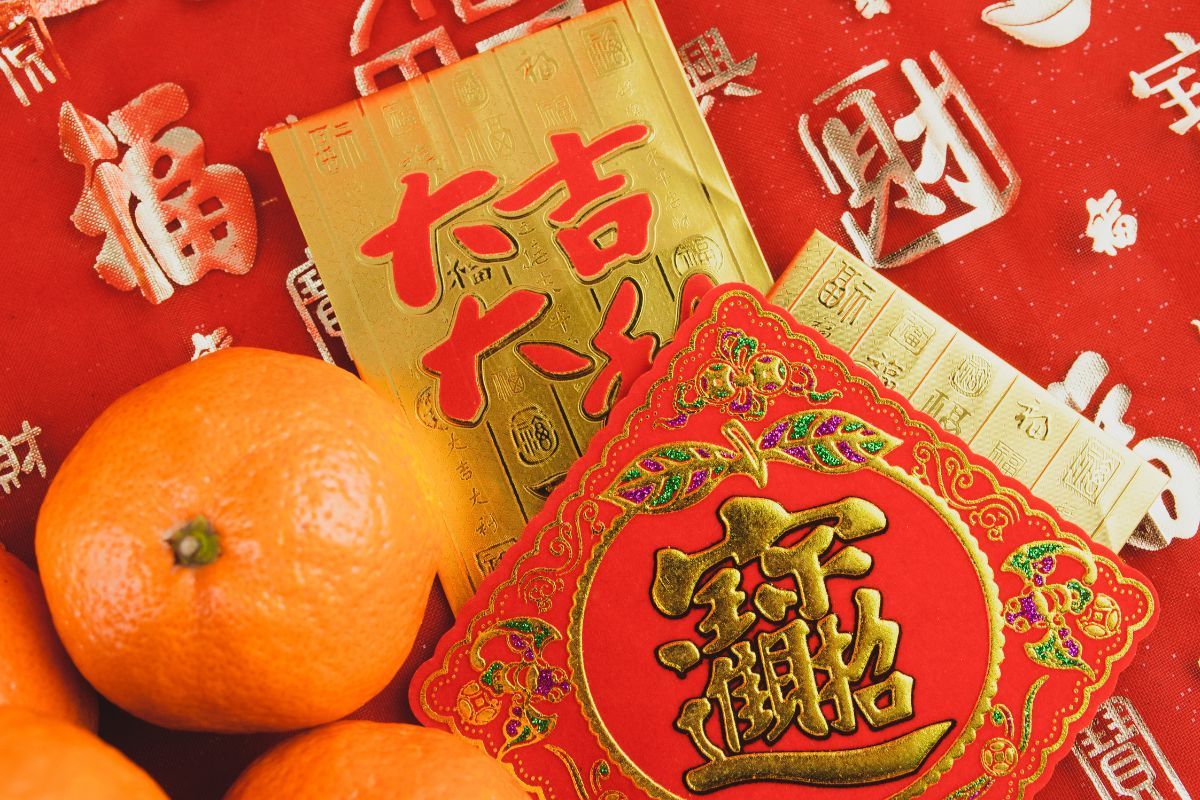
Each year is represented by a zodiac animal that influences traditional beliefs about fortune and personality traits. Families gather for reunion dinners, honor ancestors, and exchange red envelopes symbolizing good luck and prosperity. Across the world, celebrations often include lion dances, temple prayers, festive decorations, and traditional foods believed to bring fortune.
Thai-Chinese Heritage in Bangkok
Chinese communities have played a significant role in shaping Bangkok's history and cultural identity. Chinese merchants and settlers began arriving in Thailand centuries ago, bringing religious traditions, culinary influences, and festival celebrations that continue today.
Bangkok's Chinatown, known as Yaowarat, remains the heart of Thai-Chinese culture. The area features historic temples, traditional markets, and authentic Chinese restaurants that become central to Chinese New Year festivities each year.
Chinese New Year Dates and Festival Timeline
Chinese New Year Date for 2026 and Zodiac Explanation
Chinese New Year in 2026 falls in mid-February according to the lunar calendar. The celebration marks the beginning of a new zodiac year and usually lasts around 15 days, ending with the Lantern Festival.
Festival Preparation Period
Preparation for the festival begins several days before New Year's Eve. Families clean their homes to remove bad luck and decorate entrances with red lanterns and lucky symbols. Reunion dinners are carefully prepared to bring family members together. Temples and shrines are also prepared with offerings and decorations for prayer ceremonies.
Main Celebration Days in Bangkok
Chinese New Year's Eve focuses on family reunions and traditional dinners. The first day of the New Year features temple visits, cultural performances, and public celebrations. The festival concludes with Lantern Festival celebrations featuring illuminated displays and cultural performances across the city.
Best Places to Celebrate Chinese New Year in Bangkok
1. Chinatown (Yaowarat) Chinese New Year Festival Guide
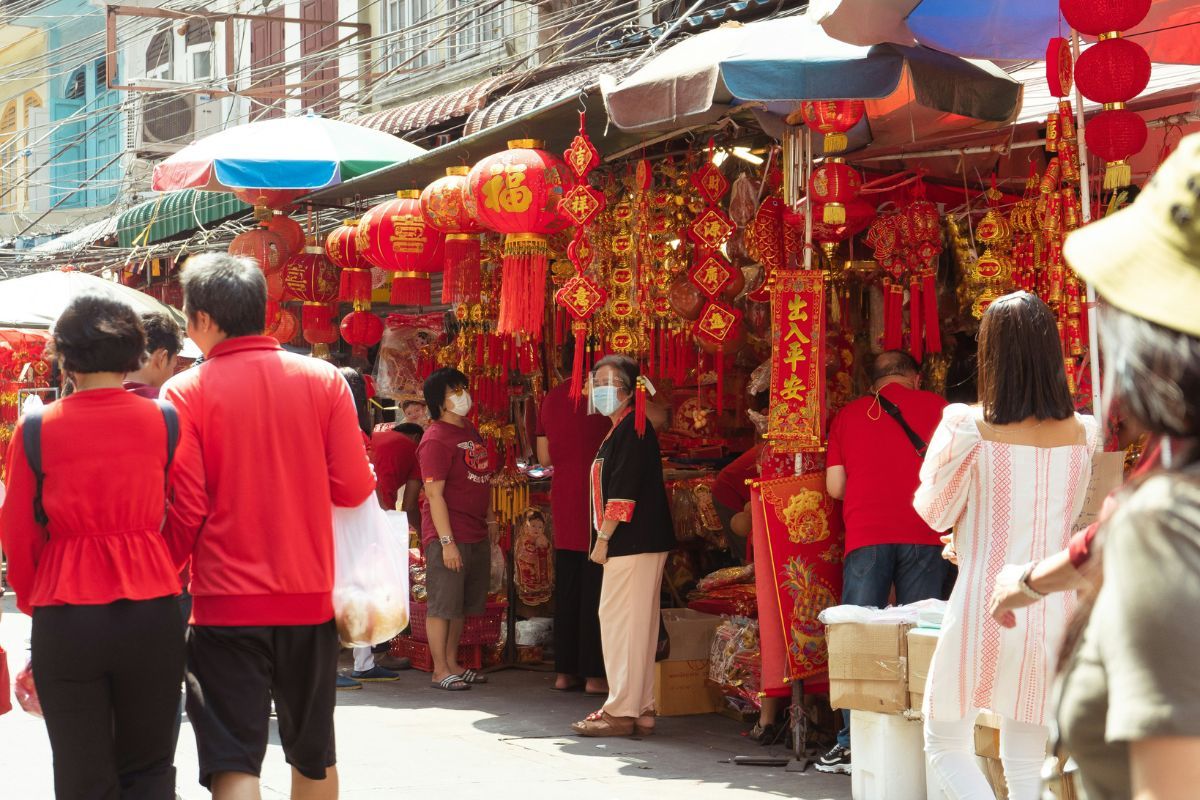
Chinatown is the main center of Chinese New Year celebrations in Bangkok. Streets are decorated with thousands of lanterns and traditional banners. Visitors can watch cultural performances, lion dance parades, and live stage shows throughout the area.
The neighborhood also becomes a massive street food festival where visitors can explore traditional Chinese and Thai dishes. Roads around Yaowarat often close to traffic to accommodate celebrations, creating a lively pedestrian festival atmosphere.
3. Chinese Temples and Shrines Celebrations
Wat Mangkon Kamalawat Festival Activities
Wat Mangkon Kamalawat is Bangkok's largest Chinese Buddhist temple and a key spiritual center during Chinese New Year. Visitors gather to pray for prosperity, health, and good fortune.
Chinese Shrine Worship Traditions
Smaller Chinese shrines across Bangkok host ceremonies where visitors present incense, candles, and symbolic offerings.
Temple Offerings and Cultural Ceremonies
Common offerings include fruits, sweets, and traditional foods presented to honor ancestors and deities.
3. Shopping Malls and Modern Celebration Venues
Bangkok's major shopping malls host large-scale Chinese New Year events featuring cultural exhibitions, lion dances, and festive decorations. These locations provide comfortable, family-friendly environments with organized performances and dining experiences.
4. Riverside and Luxury Hotel Celebrations
Luxury riverside hotels organize gala dinners, cultural shows, and fireworks displays. These premium events offer elegant dining experiences combined with traditional entertainment and riverfront celebration views.
Chinese New Year Festival Events and Activities in Bangkok
Dragon Dance and Lion Dance Performances
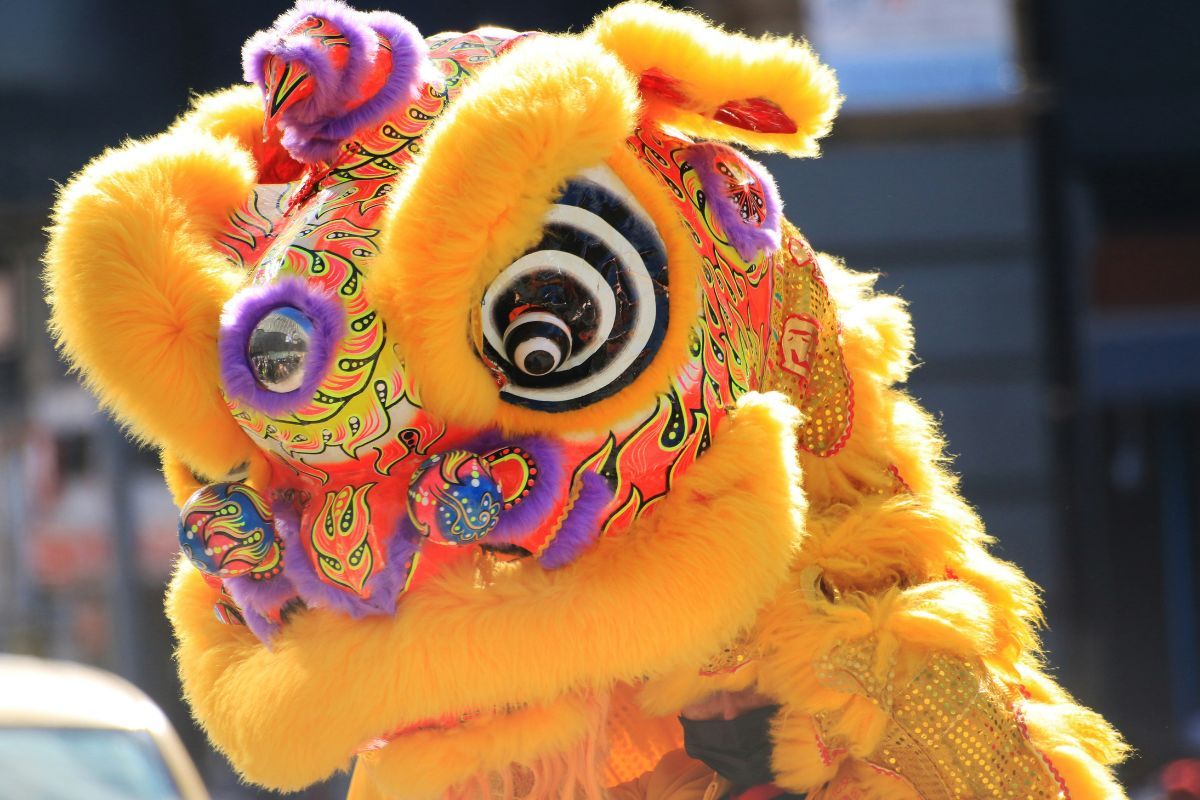
Dragon and lion dances symbolize prosperity and protection from bad luck. Performances take place throughout Chinatown, shopping malls, and temple grounds during the festival.
Street Parades and Cultural Shows
Street parades feature traditional costumes, music, and dance performances celebrating Chinese heritage and local traditions.
Fireworks and Firecracker Celebrations
Fireworks and firecrackers represent the removal of bad fortune and the welcoming of a prosperous new year. Popular viewing areas include Chinatown and riverside celebration zones.
Religious Rituals and Cultural Traditions
Visitors can observe temple prayer ceremonies, ancestor worship rituals, and traditional red envelope exchanges that symbolize blessings and wealth.
Best Things to Do in Bangkok During Chinese New Year
1. Explore Chinatown Festival Streets
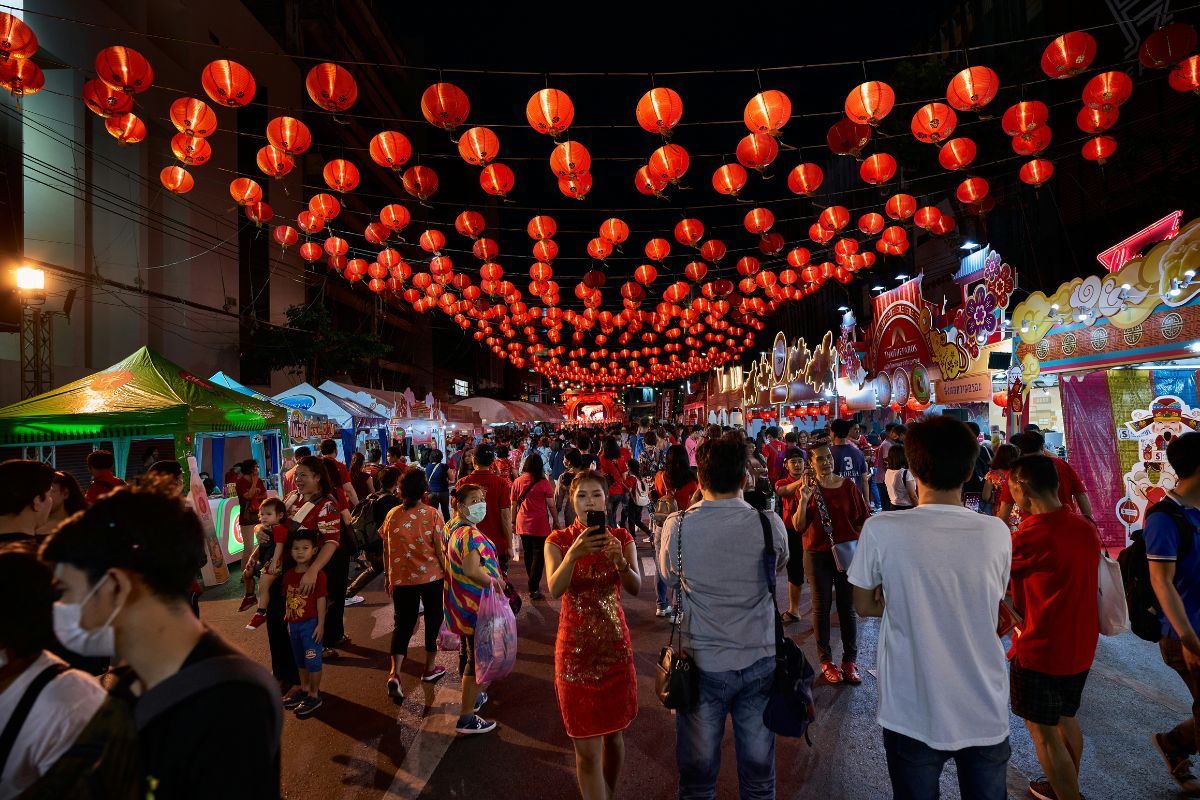
Exploring Chinatown is one of the most exciting ways to experience Chinese New Year in Bangkok. Yaowarat Road transforms into a lively festival zone filled with glowing red lanterns, decorative arches, and festive light displays. Visitors can walk through bustling streets lined with cultural performances, souvenir markets, and seasonal food stalls. The atmosphere becomes especially vibrant in the evening when crowds gather to watch street shows, shop for lucky charms, and enjoy the energetic festival environment. Walking through Chinatown also provides a chance to observe how Thai-Chinese communities celebrate traditions while blending modern city culture.
2. Visit Chinese Temples and Shrines
Visiting Chinese temples and shrines allows travelers to experience the spiritual and cultural significance of the festival. Temples become gathering places where locals perform prayers, offer incense, and present symbolic offerings such as fruits, flowers, and candles for prosperity and good fortune. Visitors often observe traditional worship ceremonies, ancestral honoring rituals, and community prayer gatherings. These temple visits provide deeper cultural insight into Chinese New Year beliefs and demonstrate the strong influence of Thai-Chinese heritage within Bangkok’s religious traditions.
3. Watch Cultural Performances and Parades
Chinese New Year celebrations in Bangkok feature colorful cultural performances and lively street parades throughout major festival areas. Dragon dance and lion dance performances symbolize prosperity, strength, and good luck for the coming year. Visitors can also watch traditional Chinese music performances, acrobatic shows, martial arts demonstrations, and cultural dance presentations. Many performances take place on festival stages or directly along parade routes, allowing visitors to enjoy traditional entertainment while experiencing the energetic community celebration atmosphere.
4. Experience Street Food and Night Markets
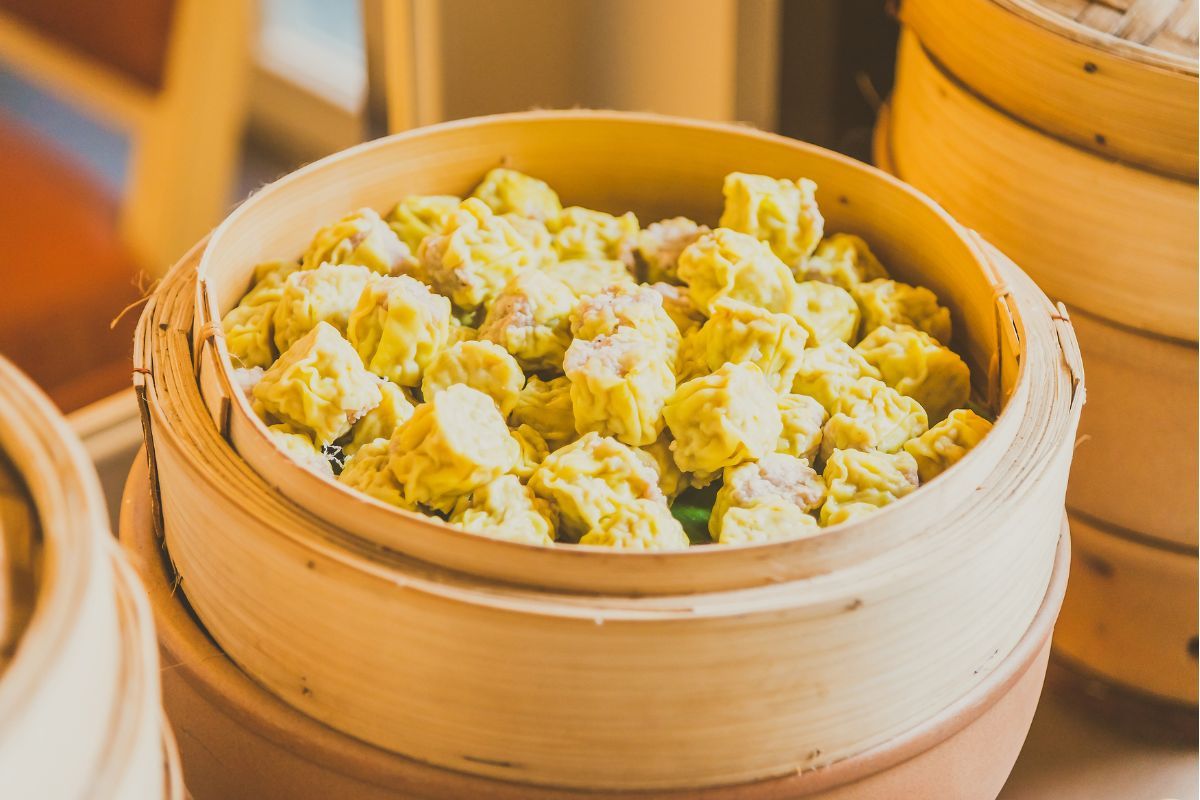
Chinese New Year is one of the best times to explore Bangkok’s famous street food scene. Chinatown night markets offer seasonal festival dishes, traditional Chinese snacks, and Thai-Chinese fusion cuisine rarely found outside the holiday period. Visitors can try roast meats, dumplings, seafood dishes, and festive desserts while walking through vibrant market streets. The combination of food aromas, festive decorations, and live entertainment creates one of Bangkok’s most memorable culinary experiences during the holiday season.
5. Attend Fireworks and Night Celebrations
Evening celebrations during Chinese New Year bring spectacular visual displays across Bangkok. Fireworks light up the skyline in Chinatown and along riverfront areas, creating dramatic festival moments. Lantern decorations illuminate entire streets, transforming neighborhoods into glowing cultural spaces. Nighttime celebrations often include live concerts, stage performances, and festive countdown events. Visitors who explore festival areas after sunset experience the most vibrant and photogenic moments of Chinese New Year celebrations.
6. Join Cultural Walking Tours and Food Tours
Joining guided cultural walking tours or food tours helps visitors understand the deeper history and traditions behind Chinese New Year celebrations in Bangkok. Professional guides often explain the meaning of festival rituals, introduce historical landmarks, and highlight hidden food spots known mainly to locals. Food tours allow travelers to taste multiple traditional dishes while learning about Chinese culinary influence in Thailand. Cultural tours provide valuable historical context, making the festival experience more meaningful and educational for first-time visitors.
Festival Food and Dining Experiences
Traditional Chinese New Year Foods in Bangkok
Chinese New Year in Bangkok is strongly connected to symbolic festive dishes believed to bring prosperity, happiness, and good fortune. Popular celebration meals often include dumplings representing wealth, roast duck and pork symbolizing abundance, and seafood dishes that represent prosperity and success. Sweet desserts such as mango sticky rice and traditional Chinese pastries are also served during reunion dinners, which remain one of the most meaningful family traditions during the festival period.
Recommended restaurants for traditional Chinese New Year dining in Bangkok include:
T&K Seafood: A famous Chinatown restaurant known for fresh seafood, crab dishes, and festive group dining menus.
Hua Seng Hong: One of Chinatown's most historic Chinese restaurants, popular for traditional banquet meals, dim sum, and roast meats.
Lhong Tou Cafe: A trendy Thai-Chinese café serving modern interpretations of traditional Chinese comfort dishes and desserts.
Best Places to Try Festival Food
Bangkok's Chinatown (Yaowarat) becomes the ultimate destination for Chinese New Year street food experiences. During the festival, streets fill with vendors selling traditional Chinese snacks, Thai-Chinese fusion dishes, and seasonal festival treats. Night markets showcase a lively atmosphere with lantern decorations, cultural performances, and endless food options ranging from savory dishes to festive desserts.
Highly recommended Chinatown dining spots include:
Nai Mong Fry Oyster: Famous for crispy oyster omelette, one of Chinatown's most iconic street food dishes.
Jok Prince: Michelin-recognized porridge restaurant offering comforting traditional rice dishes popular with locals during festive mornings.
Tang Jai Yoo: A legendary Chinese-Thai restaurant known for roast meats and family-style celebration meals.
Chinese New Year Dining at Hotels and Restaurants
Luxury hotels and fine dining restaurants in Bangkok offer elegant Chinese New Year dining experiences featuring buffet celebrations, cultural shows, and festive gala dinners. These venues combine traditional Chinese cuisine with premium service, live entertainment, and scenic riverfront views, creating memorable celebration experiences for couples, families, and luxury travelers.
Top luxury restaurants and hotels for Chinese New Year celebrations include:
Man Ho Chinese Restaurant at JW Marriott Bangkok: Known for premium Cantonese cuisine and special Chinese New Year banquet menus.
Summer Palace: A refined Chinese restaurant famous for reunion dinner menus and authentic festive dishes.
Mandarin Oriental Bangkok: Offers exclusive Chinese New Year gala dinners and cultural performances along the Chao Phraya River.
Chinese New Year in Bangkok by Traveler Type
1. Best Festival Experiences for Families
Chinese New Year in Bangkok offers lively but family friendly celebrations. Chinatown features lantern displays, lion dance performances, and festive markets that children and families can enjoy together. Families can also visit temples like Wat Mangkon Kamalawat to experience cultural traditions in a respectful setting. Many shopping malls host cultural shows and workshops, providing comfortable indoor festival activities. Restaurants across the city also offer festive reunion meals suitable for family gatherings.
2. Romantic Chinese New Year Experiences for Couples
The festival creates a romantic atmosphere with glowing lanterns and cultural performances across Bangkok. Couples often enjoy evening walks through Chinatown when decorations and performances are at their peak. Riverside dinner cruises and luxury hotel dining experiences provide scenic and intimate celebrations. Early morning temple visits and sunset rooftop dining also offer quieter romantic experiences.
3. Cultural and Heritage Experiences for Culture Travelers
Chinese New Year highlights Bangkok's strong Thai Chinese heritage. Travelers can explore historic Chinatown streets, traditional markets, and heritage restaurants. Visiting Wat Mangkon Kamalawat allows visitors to observe traditional prayer ceremonies and offering rituals. Cultural walking tours and festival food experiences provide deeper insight into the traditions behind the celebration.
4. Luxury Chinese New Year Experiences
Luxury travelers can enjoy exclusive gala dinners, cultural performances, and premium dining at Bangkok's high end hotels. Riverside resorts often host festive celebrations with scenic river views and fireworks. Private guided Chinatown tours provide curated cultural and dining experiences with personalized service.
5. Photography and Cultural Experience Opportunities
Chinese New Year transforms Bangkok into a vibrant photography destination. Lantern decorations, lion dances, and street celebrations create colorful photo opportunities. Temple ceremonies offer cultural storytelling scenes, while night markets and riverside celebrations provide dramatic evening photography locations.
Good to know about Chinese New Year in Phuket
Crowd Levels and Peak Festival Days
Busiest Celebration Times
New Year's Eve and the main festival days attract the largest crowds, especially in Chinatown during evening celebrations.
Best Time to Visit Festival Areas
Morning temple visits and late afternoon walks allow visitors to enjoy decorations before peak evening crowds. Weekday visits are usually less crowded.
Where to Stay During Chinese New Year
1. Hotels Near Chinatown
Ideal for travelers wanting quick access to festival activities and street food experiences.
2. Riverside Luxury Hotels
Offer scenic views, premium dining, and festive entertainment during the celebration period.
3. Budget Accommodation Recommendations
Areas such as Silom or Rattanakosin provide affordable hotels with convenient public transport access.
Transportation and Road Closure Tips
1. Public Transport Options
MRT and BTS are the most reliable ways to reach festival areas, especially near Chinatown.
2. Walking Routes and Travel Planning
Many streets in Chinatown close during celebrations, making walking the best way to explore.
3. Traffic and Accessibility Advice
Traffic congestion increases significantly during the festival. Public transport and ride hailing services are recommended.
Cultural Etiquette and Festival Travel Tips
1. Cultural Customs Visitors Should Respect
Chinese New Year is a spiritual and family focused celebration. Visitors should respect religious ceremonies and local traditions.
2. What to Wear During Chinese New Year
Red clothing is commonly worn as it symbolizes good luck. Visitors often avoid black or white when attending celebrations.
3. Temple Etiquette and Offering Guidelines
Visitors should dress modestly, follow temple customs, and maintain quiet behavior during ceremonies.
4. Festival Photography Etiquette
Photography is welcome during public celebrations, but visitors should ask permission before photographing religious rituals and avoid flash photography in temples.
Discover more travel tips and local insights by reading our complete Chatuchak Market guide, and continue planning your Bangkok journey by exploring iconic landmarks such as Wat Pho and Wat Phra Kaew, two essential cultural attractions known for their rich history and breathtaking temple architecture.