Wat Phra Kaew, officially known as Wat Phra Si Rattana Satsadaram, is Thailand's most sacred temple and one of the most important cultural sites in Southeast Asia. Located within the Grand Palace complex in Bangkok, it is home to the revered Emerald Buddha, a symbol of spiritual and national identity for the Thai people. Wat Phra Kaew is famous for its stunning architecture, intricate artwork, and profound historical significance, making it a must-visit destination for anyone exploring Bangkok.
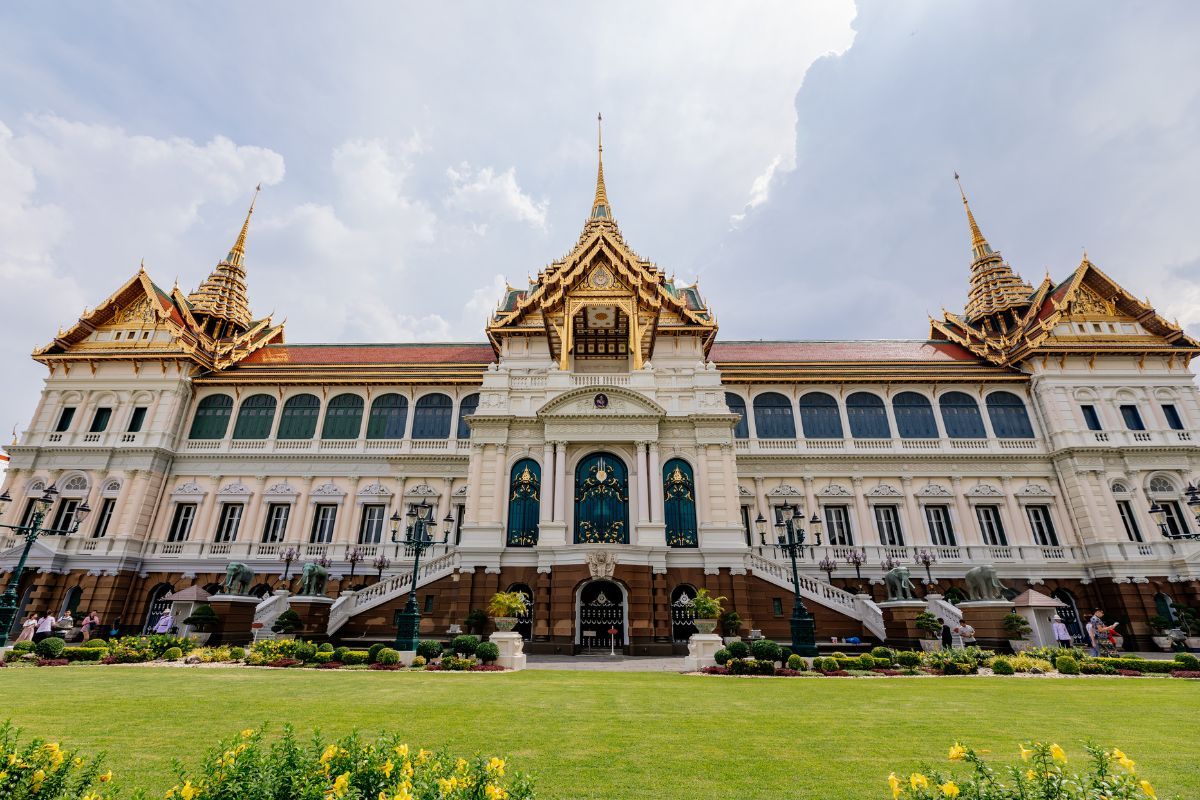
History of Wat Phra Kaew
The temple was constructed in 1782 under King Rama I as part of the establishment of the Rattanakosin Kingdom and the founding of Bangkok as the new capital. Wat Phra Kaew has never been an active monastery and does not house monks. Instead, it functions as the royal temple used for important religious ceremonies by the Thai monarchy.
The Emerald Buddha's journey is equally significant. Believed to date back to the 15th century, the statue traveled from northern Thailand to Laos, then returned to Thailand, eventually finding its permanent home in Wat Phra Kaew. This movement symbolizes unity, kingship, and the spiritual lineage of the Thai nation.
Wat Phra Kaew is part of the larger Grand Palace grounds, the former official residence of the Thai kings for more than 150 years. Visitors can explore various royal halls, courtyards, and ceremonial buildings within the same complex. The layout, architecture, and decorative elements reflect the grandeur and power of the royal court during the early Rattanakosin era.
What to See in Wat Phra Kaew
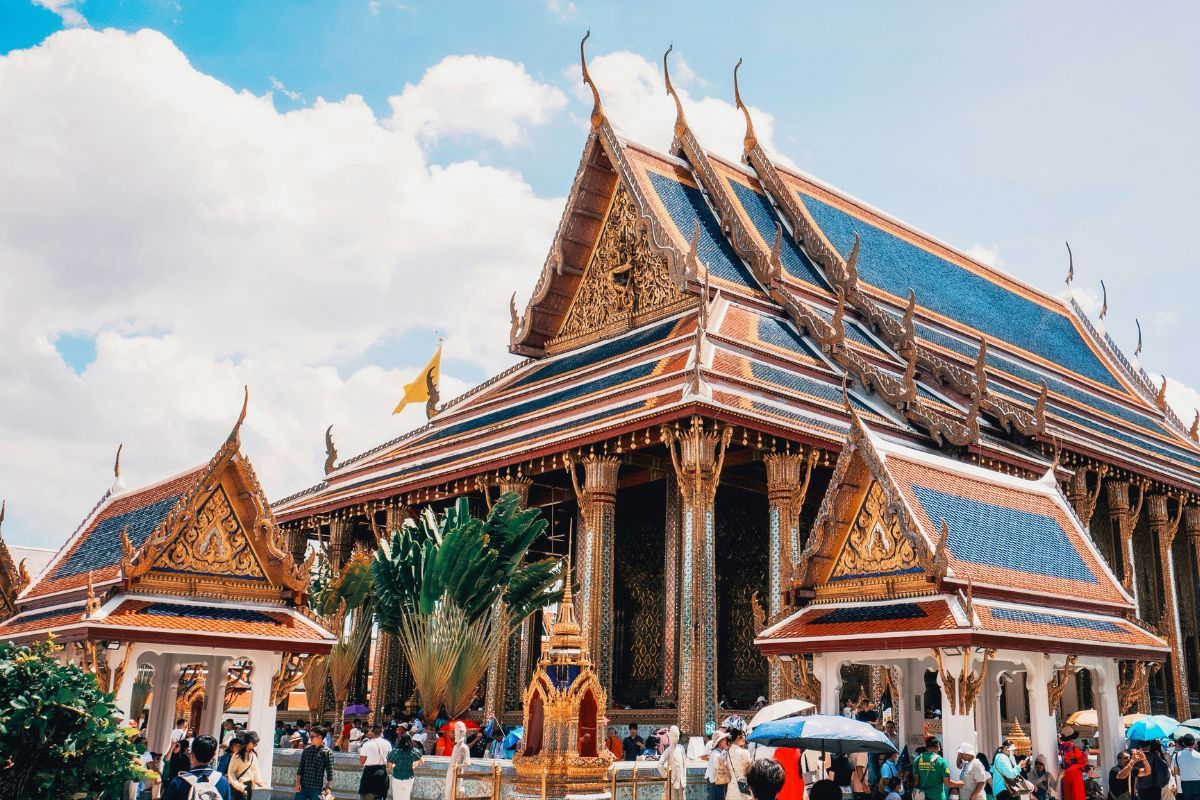
1. Ubosot (Ordination Hall)
The ubosot is the spiritual heart of Wat Phra Kaew and the most sacred building within the Grand Palace complex. Surrounded by eight boundary stones marking its consecrated grounds, this hall is where important royal religious ceremonies take place. The exterior is decorated with gold leaf, mirrored mosaics, and intricate gables that shimmer under sunlight. Inside, visitors will find towering pillars covered with gold patterns and walls painted with exquisite murals illustrating Buddhist cosmology and the stages of enlightenment. The serene atmosphere inside the ubosot reflects the deep reverence Thais hold for this sacred space.
2. The Emerald Buddha
At the center of the ubosot sits the revered Emerald Buddha, a 66-centimeter statue carved from a single block of deep-green jade. Despite its size, the sculpture is considered the most sacred religious object in Thailand. It symbolizes protection, stability, and spiritual authority for the Thai monarchy. The statue is placed high on an elaborate golden pedestal adorned with carvings of celestial beings.
A unique royal tradition occurs three times a year when the King of Thailand ceremonially changes the seasonal robe—summer, winter, and rainy season—to bless the nation with prosperity. Visitors may admire the statue but cannot take photographs inside, preserving the sanctity of the hall.
3. Phra Si Ratana Chedi
This striking golden stupa is one of the most iconic sights in the Grand Palace grounds. Influenced by Sri Lankan Buddhist stupas, Phra Si Ratana Chedi is entirely covered in gold tiles that gleam intensely under the sun. The chedi enshrines sacred relics of the Buddha and is a powerful symbol of faith and devotion. Visitors can walk around its circular base to appreciate the symmetry and craftsmanship of its design.
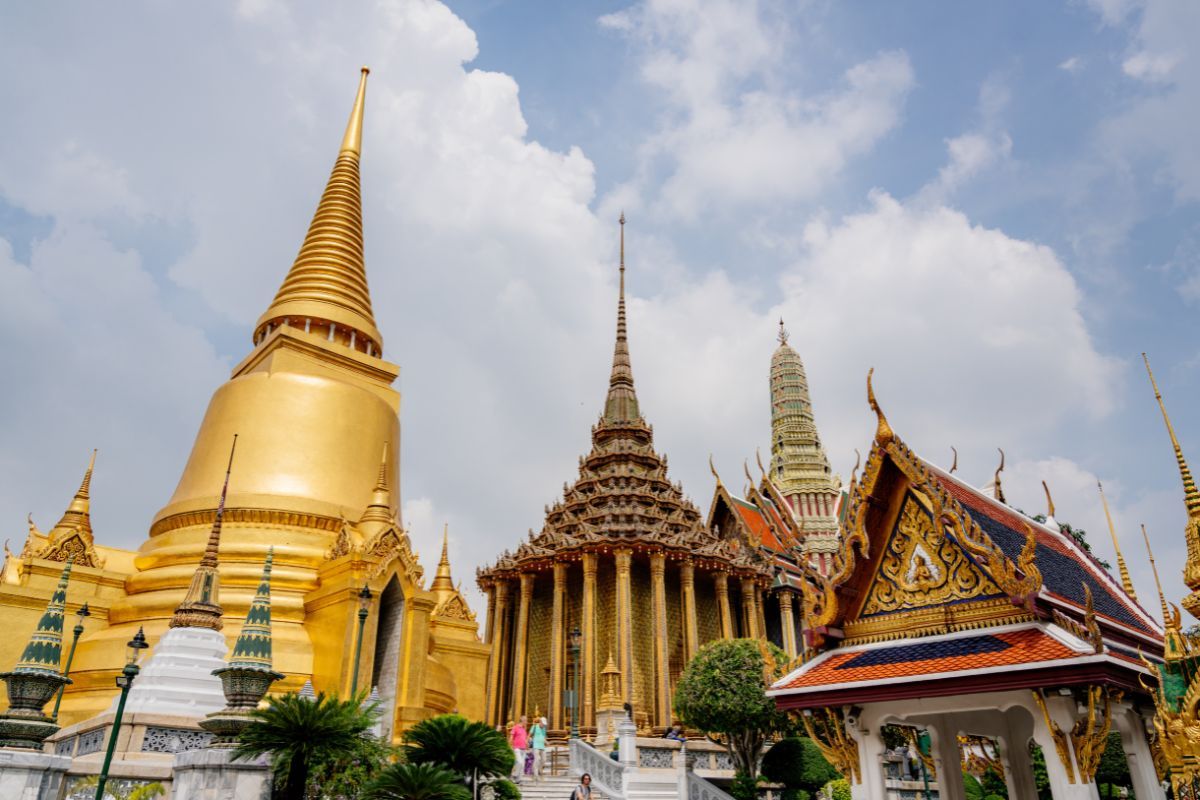
4. Phra Mondop (The Sacred Library)
Phra Mondop serves as a repository for important Buddhist scriptures and ancient manuscripts. The building itself is a masterpiece of Thai decorative arts: the exterior is adorned with emerald-colored glass mosaics, intricate gilded patterns, and kinnara (half-bird, half-human) guardian figures standing proudly at its stairways. The mondop's roof features multiple tiers embellished with chofas, mythical bird-like finials found in Thai architecture. Although the interior is not open to the public, the exterior alone reflects exceptional Thai craftsmanship.
5. Demon Guardians (Yaksha Statues)
Standing at the entrances are giant yaksha guardian statues from the Ramakien epic. Their imposing height, fierce expressions, and vividly colored armor symbolize strength and protection, believed to ward off evil spirits. Each guardian represents a different character from Thai mythology and is decorated with detailed glass inlay work. These yakshas are among the most photographed features of Wat Phra Kaew.
6. Ramakien Murals
Encircling the inner courtyard are over 170 mural panels illustrating the Ramakien, Thailand's national epic derived from the ancient Ramayana. These murals depict dramatic scenes of royal battles, flying chariots, mythical creatures, and heroic adventures. Rich in cultural symbolism, each panel is a storytelling masterpiece, showcasing exceptional artistry through vibrant colors and fine linework. Visitors can walk alongside the cloister walls to follow the story in chronological order.
7. Miniature Angkor Wat
Commissioned by King Rama IV, the miniature Angkor Wat model reflects the historical influence of the Khmer Empire on Thai culture and architecture. Built with intricate detail, the model provides a fascinating look at the layout of the world-famous Cambodian temple. The miniature serves both as a tribute and a symbolic reminder of regional ties and shared heritage among Southeast Asian kingdoms.
8. Additional Buildings, Prangs, and Pavilions
Beyond the major landmarks, Wat Phra Kaew features countless smaller structures, each adorned with dazzling decorative elements. Visitors will see bell-shaped prangs, ornate pavilions (sala), guardian statues, mythical creatures, and golden Buddha images scattered throughout the complex. Every corner reveals another layer of symbolism—from Naga serpents lining the staircases to Garuda figures gripping nagas on pediments. Together, these structures create a visually breathtaking environment that highlights the richness of Thai art, mythology, and royal tradition.
Things to Do in Wat Phra Kaew
When visiting Wat Phra Kaew (Temple of the Emerald Buddha), you'll experience one of Thailand's most sacred cultural landmarks. Start by admiring the Emerald Buddha, a 66-centimeter jade statue housed in the ubosot, dressed in seasonal robes changed by the King three times annually. Continue by walking along the intricate Ramakien murals, the longest continuous mural in the world, depicting Thailand's national epic in vivid storytelling.
Within the temple complex
See the Emerald Buddha: A highly revered statue carved from a single block of jade, seated in the ornately decorated ubosot.
Walk the Ramakien murals: Follow the detailed murals that circle the entire compound, illustrating scenes from the Ramakien epic.
Explore the Grand Palace: Wander through key halls and ceremonial buildings within the vast palace grounds.
- Chakri Maha Prasat Hall: A striking combination of Thai roof architecture with a neo-classical European base.
- Boromabiman Hall: A French-style mansion used for official royal guests.
- Dusit Hall: A beautifully crafted building reflecting traditional Thai architecture.
Visit the Phra Mondop: The temple library housing sacred Buddhist scriptures, decorated with intricate glass mosaics.
See the Angkor Wat model: A scaled replica of Cambodia's iconic temple, created during King Rama IV's reign.
Discover royal treasures: Explore the Pavilion of Regalia to see royal decorations, regalia, and historical artifacts.
Queen Sirikit Museum of Textiles: Learn about Thai textiles and see garments worn by Queen Sirikit.
Marvel at the guardian giants: The colorful yaksha statues at the entrance symbolize protection and Thai mythology.
Beyond the temple complex
- Visit Wat Pho: Home of the Reclining Buddha and Thailand's most famous traditional massage school, just a short walk away.
- See Wat Arun: Cross the river to the Temple of Dawn, known for its towering prang and riverside beauty.
- Tour Museum Siam: Discover interactive exhibits exploring Thai identity and culture.
- Explore the Chao Phraya River: Take a boat ride to enjoy historic river views and the cityscape from a different angle.
Discover the must-see highlights, hidden details, and essential things to do in Wat Phra Kaew — read the full guide to plan a truly unforgettable visit.
Quick Facts About Wat Phra Kaew
1. Location
The temple is situated in Bangkok's historic Rattanakosin district, close to the Chao Phraya River and major cultural attractions.
2. Opening Hours
Wat Phra Kaew is usually open daily from 8:30 AM to 3:30 PM. Hours may vary during royal ceremonies or national events, so checking ahead is recommended.
3. Dress Code
A strict dress code is enforced. Shoulders and knees must be completely covered. Sleeveless shirts, shorts, ripped jeans, tight leggings, and revealing outfits are not permitted. Sarongs can be rented or purchased near the entrance if needed.
4. Admission Fee
Admission is approximately 500 THB per person and includes access to the Grand Palace complex. Optional audio guides and guided tours are available for an additional cost.
Planning Your Visit to Wat Phra Kaew
1. Best Time to Visit Wat Phra Kaew
- Arrive early in the morning: Visiting right at 8:30 a.m. Opening time helps you avoid crowds and enjoy a calmer atmosphere.
- Recommended visiting window: The best hours are 8:30 a.m.-10:00 a.m., before large tour groups and midday heat set in.
- Cool season advantage (Nov-Feb): Most comfortable weather for exploring the Grand Palace's mostly unshaded grounds.
- Avoid the rainy season: Skipping June-October helps you avoid frequent afternoon downpours.
- Great for photography: Soft morning light highlights the golden stupas and mosaic details beautifully.
- Expect more visitors in peak season: November to February is cooler but also draws higher tourist numbers.
- Opening hours: Open daily 8:30 a.m.-3:30 p.m. for both Wat Phra Kaew and the Grand Palace.
- Check for special closures: Verify updates on royalgrandpalace.th, as the complex may close for royal ceremonies.
- Beware of scams: Ignore anyone outside claiming the palace is closed and proceed to the official entrance.
2. How to Get to Wat Phra Kaew
By BTS Skytrain + Chao Phraya Boat (Most Recommended)
- Take the BTS Silom Line to Saphan Taksin Station (S6).
- Exit 2 → Walk to Sathorn Pier.
- Board the Chao Phraya Express Boat (Orange Flag).
- Get off at Tha Chang Pier (N9).
- Walk 5 minutes to the Grand Palace / Wat Phra Kaew entrance.
By MRT Blue Line
- Take the MRT to Sanam Chai Station.
- Use Exit 1 (Museum Siam).
- Walk approx. 10-15 minutes to the Grand Palace.
- You may also take a short taxi/tuk-tuk ride from the station.
By Taxi / Grab
- Tell the driver: Wat Phra Kaew or Grand Palace.
- Travel time varies 20-40 minutes depending on traffic.
- Use the official gate on the north side (near Na Phra Lan Road).
By Tuk-Tuk
- A fun, short-distance option from Khao San Road or nearby areas.
- Always agree on a price before riding.
- It should cost 80-150 THB depending on distance.
From Khao San Road (Closest Tourist Area)
- Walk about 15-20 minutes, or
- Take a short tuk-tuk or taxi ride (5-10 minutes).
Travel Tips
- Enter through the main entrance on Na Phra Lan Road.
- Avoid anyone telling you "the Grand Palace is closed" (common scam).
- Dress modestly: no shorts, sleeveless tops, tight leggings, or crop tops.
What to Expect When Visiting Wat Phra Kaew
A visit to Wat Phra Kaew offers a breathtaking introduction to Thailand's most sacred temple. You'll encounter an ornate complex filled with glittering mosaics, detailed Rattanakosin-style architecture, and the highly revered Emerald Buddha. Expect strict dress-code enforcement and the need to remove your shoes before entering certain halls. The temple is extremely popular, so crowds are common---especially late morning. Photography is allowed on the grounds but strictly prohibited inside the ordination hall. Plan for at least two hours to explore and always maintain respectful behavior, including keeping your feet pointed away from sacred images.
- Stunning architecture: The complex showcases intricate craftsmanship, sparkling mosaic tiles, gilded pagodas, and long mural galleries depicting the Ramayana (Ramakien).
- The Emerald Buddha: The main highlight is the Emerald Buddha, carved from a single piece of jade. Photography inside the ordination hall is strictly forbidden.
- Sacred atmosphere: Although busy with tourists, it remains an active religious site. Visitors should speak softly and behave respectfully.
- Expansive grounds: The Grand Palace complex contains more than 100 structures, including royal halls, stupas, and guardian statues, so allow enough time to explore.
- Large crowds: Arriving early helps avoid peak-hour congestion and the intense midday heat.
- Tickets: Entrance to Wat Phra Kaew is included in the Grand Palace admission fee.
Important Rules & Etiquette in Wat Phra Kaew
- Dress code: Shoulders and knees must be covered; no shorts, sleeveless tops, or ripped clothing. Proper attire can often be rented at the entrance if needed.
- Shoes: You must remove shoes before entering key temple buildings, so wear something easy to slip on and off.
- Photography: Allowed outdoors but strictly prohibited inside the Emerald Buddha hall and other restricted areas.
- Respectful behavior: Never point your feet toward Buddha images or other people. Turn off mobile devices and keep your voice low.
- Best visiting time: Early morning (8:30-10:00 a.m.) or late afternoon. Opening hours are generally 8:30 a.m.--3:30 p.m., but the temple may close early for royal ceremonies.
Where to Visit near Wat Phra Kaew
Wat Phra Kaew sits in the heart of Bangkok's historic Rattanakosin district, surrounded by iconic landmarks that can easily be explored in the same day. This makes it perfect for building a full-day cultural itinerary without long travel between sites. Here are notable places to visit nearby:
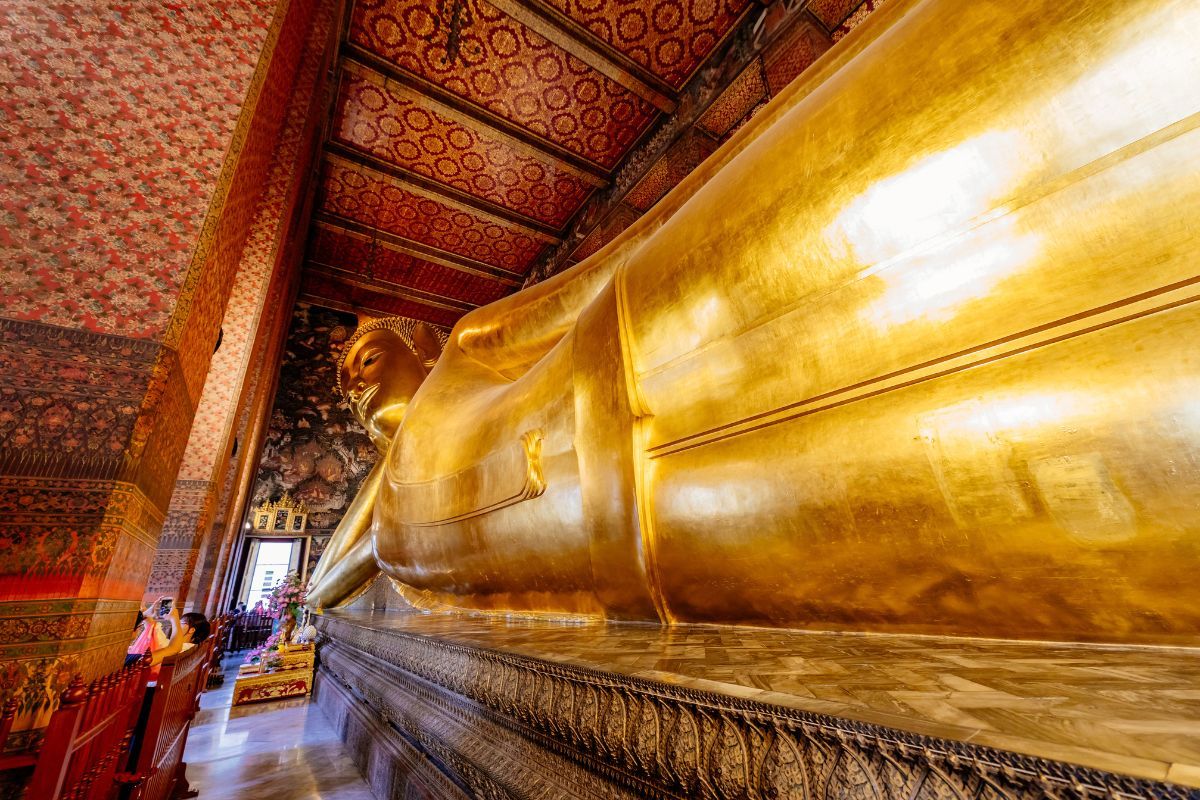
Wat Pho (Temple of the Reclining Buddha)
Just a short walk from Wat Phra Kaew, Wat Pho is home to the massive 46-meter Reclining Buddha and is considered the birthplace of traditional Thai massage. It's a must-see for its serene atmosphere and intricate murals.
Wat Arun (Temple of Dawn)
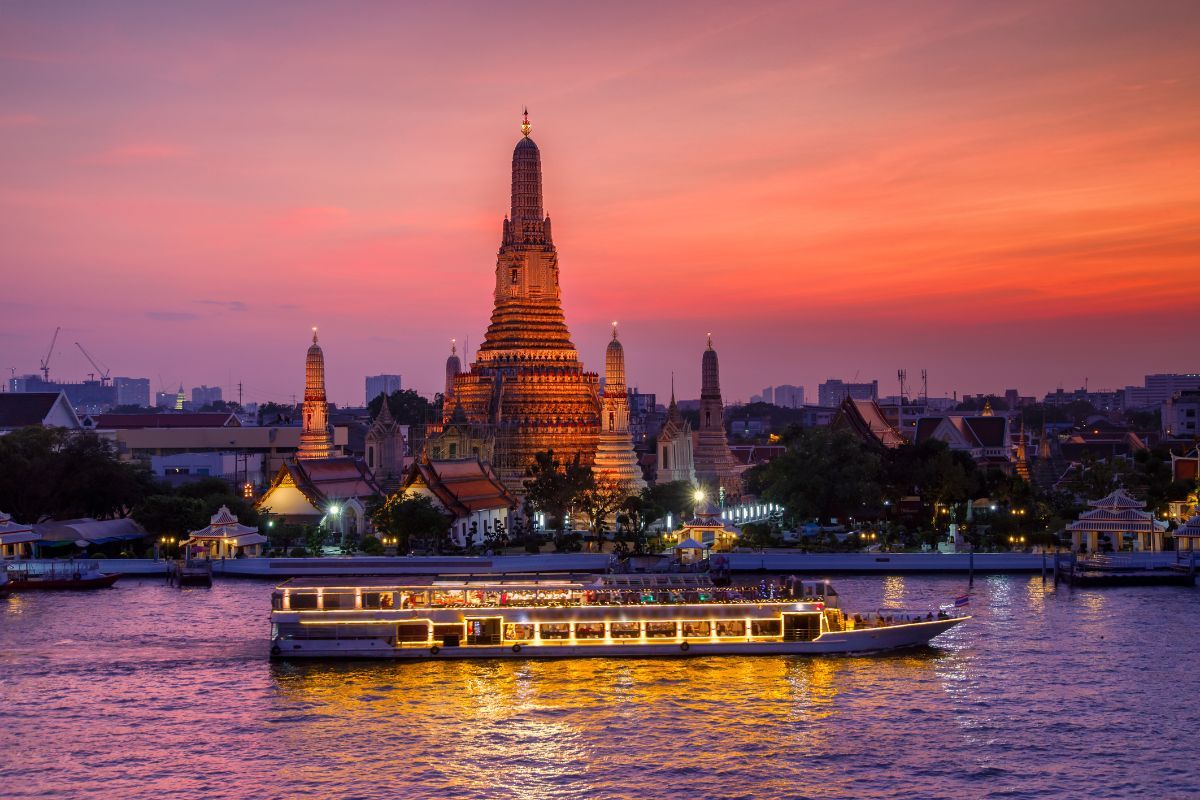
Located across the Chao Phraya River, this riverside temple is one of Bangkok's most photographed sites. After visiting Wat Pho, you can take a short ferry ride to Wat Arun and climb the central prang for stunning panoramic views.
Museum of Siam
A modern, interactive museum that explores Thai culture and identity through multimedia exhibits. It's only a 10-15 minute walk away and great for first-time visitors wanting to understand Thailand's history in a fun way.
Tha Maharaj
A chic riverside community mall where you can relax after temple visits. Expect cafés, restaurants, dessert shops, and a scenic walkway along the river.
Sanam Luang
A large open ceremonial field opposite the Grand Palace. It's historically significant and often used for royal events and cultural festivals. A great place for photos or a short stroll.
Amulet Market (Talat Phra Khruang)
Near the river and within walking distance from Wat Pho, this famous market sells Thai amulets, charms, and talismans. It's a unique spot for browsing spiritual items and observing local culture.
Khao San Road
Just a few minutes away by tuk-tuk, Khao San Road is ideal for ending the day with street food, nightlife, shopping, and massages. It's lively, fun, and perfect for travelers who want an energetic evening scene.
FAQs of Visiting Wat Phra Kaew
Q: Where is Wat Phra Kaew located?
A: Wat Phra Kaew is located within the Grand Palace complex in the historic heart of Bangkok, Thailand.
Q: What are the opening hours?
A: The temple complex is open daily from 8:30 a.m. to 3:30 p.m.. The ticket office also closes at 3:30 p.m., and the complex may close for special royal ceremonies, so checking the official Grand Palace website in advance is recommended.
Q: How much is the entrance fee?
A: For foreigners, the admission fee is 500 Thai Baht. This ticket is inclusive and grants access to the Grand Palace, Wat Phra Kaew, and the Queen Sirikit Museum of Textiles. Children under 120 cm can enter for free.
Q: Where can I buy tickets?
A: Tickets can be purchased on-site at the ticket offices near the entrance or conveniently bought online up to a month in advance. Buying online is recommended to avoid long lines.
Q: What is the best way to get there?
A: You can use various transport options:
- BTS Skytrain: Take the train to Saphan Taksin Stationthen a Chao Phraya Express Boat to the Tha Chang (N9) pier.
- MRT Subway: Take the MRT to Sanam Chai Station(Exit 1) and then a local bus or taxi for the short remaining distance.
- Taxis, tuk-tuks, or ride-sharing services like Grab are also widely available options.
Q: What should I do if I'm not dressed appropriately?
A: You can typically rent long pants or sarongs near the entrance for a small fee/deposit. However, it is much simpler to come prepared with appropriate clothing.
Q: Do I need to remove my shoes?
A: Yes, you must remove your shoes before entering any temple buildings (ordination halls). Wearing shoes that are easy to slip on and off is highly advisable.
Q: Can I take photos inside the temple?
A: Photography is allowed in the outdoor areas and grounds of the Grand Palace complex. However, it is strictly prohibited inside all the temple buildings, especially the main ordination hall where the Emerald Buddha is enshrined.