Songkran is safe to enjoy if you come prepared — and in 2026, that means knowing the new rules, not just the risks. The biggest dangers are heat exhaustion, slippery streets, water-damaged electronics, and road accidents. But Bangkok's 2026 regulations also introduced fines for revealing clothing (THB 5,000), applying powder without consent (THB 5,000), and splashing people who aren't participating (up to THB 60,000).
Wear quick-dry clothes with a solid base layer, pack valuables in a waterproof bag, stay hydrated, and use the BTS on peak days. Follow these 10 tips and Songkran will be one of the best experiences Bangkok offers all year.
What is Songkran?
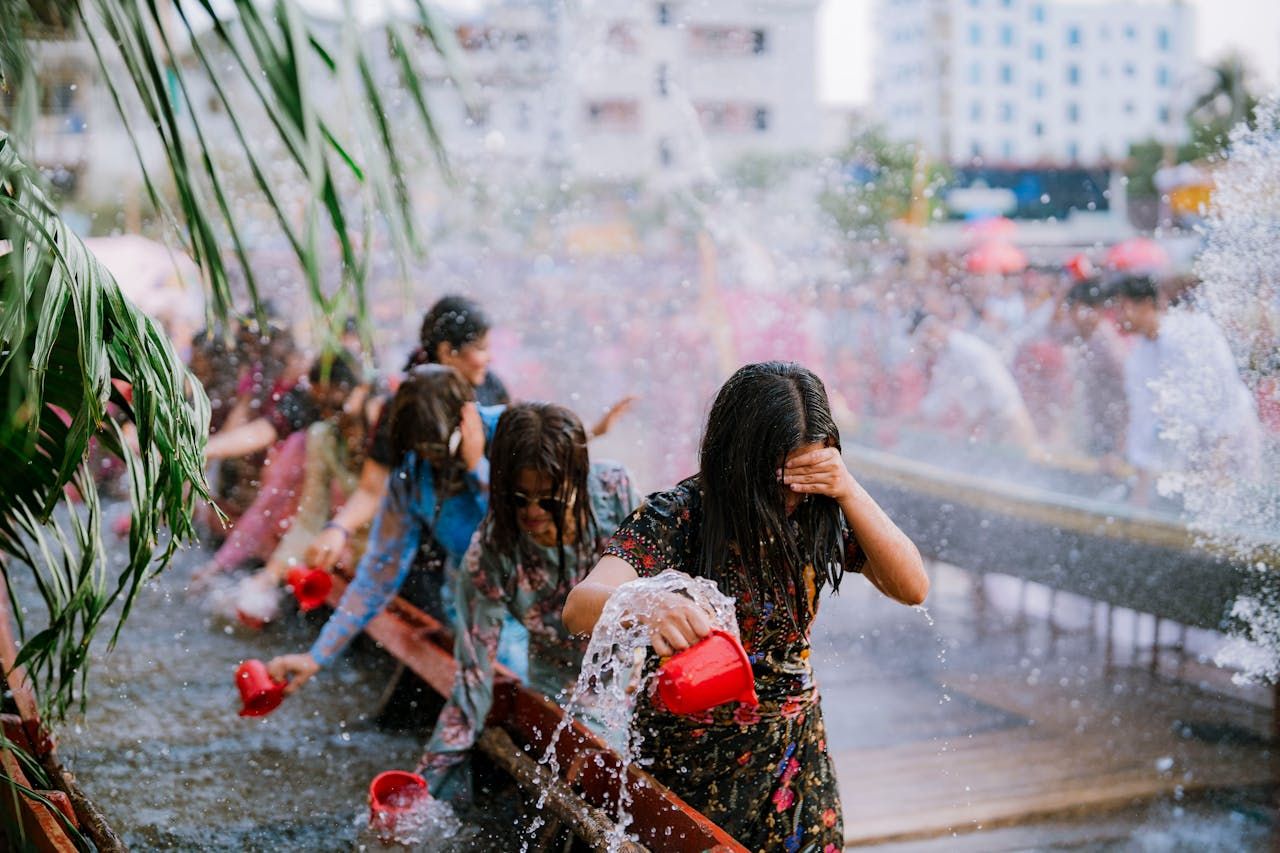
But every year, a handful of visitors leave with a dead iPhone, a nasty sunburn, or worse — a road accident statistic. In 2026, there's a new layer to navigate: a tighter regulatory framework that catches unprepared tourists off guard. These 10 safety tips cover both what can go wrong physically and what can go wrong legally.
What to Expect at Songkran in Bangkok
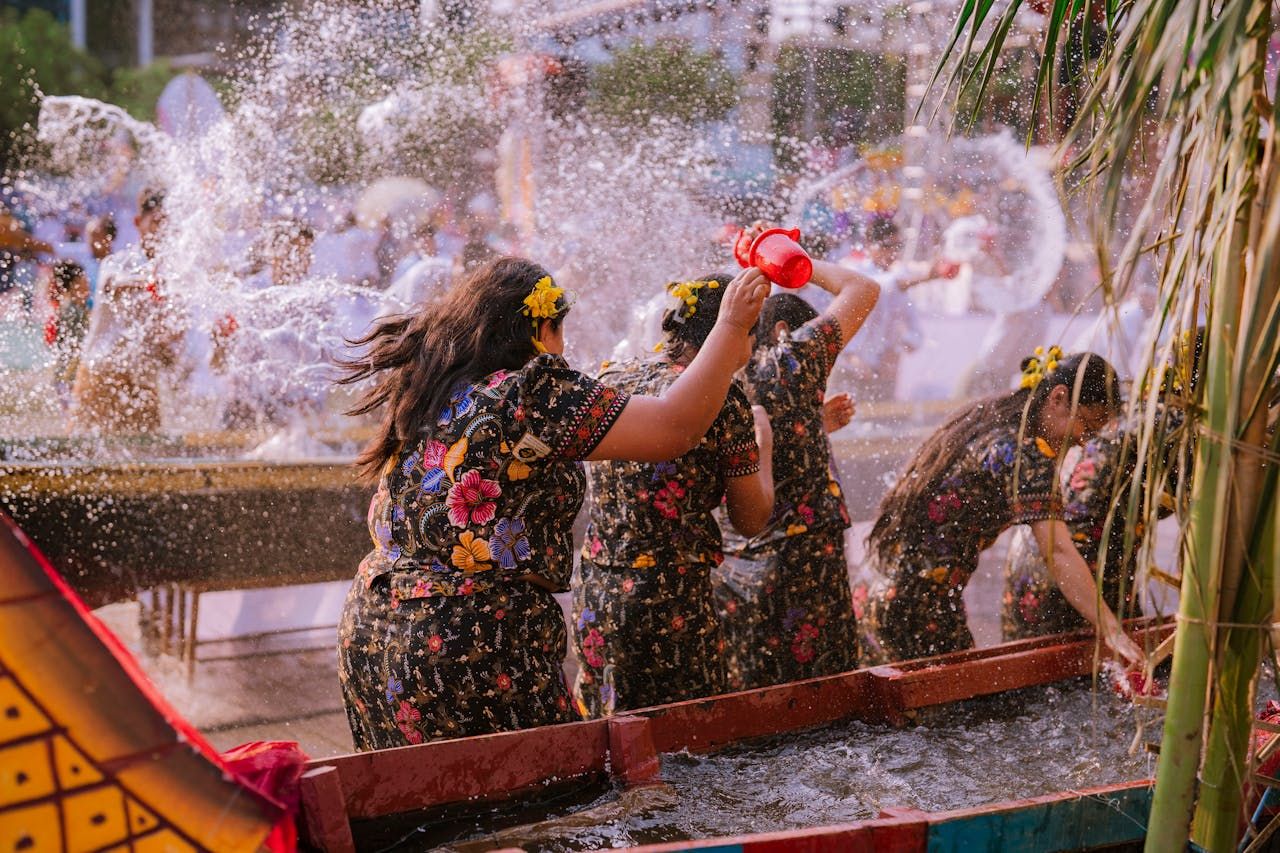
The main water-fight zones in Bangkok — Silom Road (สีลม), Khao San Road (ถนนข้าวสาร), and RCA (Royal City Avenue) — are densely packed, extremely wet, and extremely loud. Water is cold, often from ice buckets, and comes from every direction. You will get soaked within 30 seconds of stepping outside.
The official peak days are 13, 14, and 15 April, with 13 April (Wan Sangkhan — วันสงกรานต์) being the most intense. Water play in official zones is permitted from 12pm to 10pm only — all celebrations must end by 10pm under the 2026 BMA rules. Check our guide to Songkran in Bangkok for zone maps, crowd levels, and which areas suit different preferences.
10 Songkran Safety Tips for Bangkok
1. Wear the Right Clothes — and Know the 2026 Dress Rules
Quick-dry synthetic fabrics are essential — a soaked cotton T-shirt weighs a kilogram and stays wet for hours in Bangkok's April humidity. Go for polyester or nylon athletic wear that dries in 10–15 minutes.
Avoid white entirely. It turns transparent when wet, which creates a legal problem in 2026: wearing revealing or indecent clothing in public carries a THB 5,000 fine under the 2026 enforcement of Section 388 of the Criminal Code. This applies to wet see-through shirts, bikini tops worn alone, and anything deemed obscene by officers at festival zones.
The practical solution is a base layer (sports bra or bikini top) worn under a floral shirt — you stay covered when wet, you look the part, and you have no legal exposure. Our dedicated guide to what to wear at Songkran covers fabrics, fits, and where to buy for under THB 500.
2. Footwear: Skip the Flip-Flops
Sandals with grip straps (like sport sandals) or lightweight trainers you don't mind destroying are the right call. Plain rubber flip-flops are a fall risk on wet, crowded, uneven pavement.
Avoid any shoe that can be sucked off your foot by a rushing stream of water or a packed crowd. If you wear lace-up shoes, double-knot them.
3. Protect Your Eyes
A hat or cap is non-negotiable — sun plus water sprayed directly into your eyes is genuinely disorienting, and you need to be able to navigate crowded streets safely. Sunglasses help but will constantly fog up.
If you plan to spend extended time in the thick of Silom or Khao San, a cheap pair of swim goggles is not as ridiculous as it sounds. Plenty of people wear them, and eyes are vulnerable to both the force of water guns and whatever pollutants accumulate in street water over a long festival day. High-pressure water guns are banned in 2026 and confiscated at zone checkpoints, but enforcement isn't airtight — powerful pumps and illegal guns still make it onto the streets and are the primary cause of eye injuries each year. Goggles are cheap insurance.
4. Waterproof Your Valuables — No Exceptions
This is the tip that saves the most money. A waterproof phone pouch (sold at every 7-Eleven near festival zones for around THB 50–100) is mandatory if you're bringing your phone into a water fight area.
Pack only what you need for the day:
- Phone: Dry bag or waterproof pouch
- Cash: THB 500–1,000 in a zip-lock bag inside your bag
- Cards: Leave all but one at the hotel safe
- Passport: Never bring it to Songkran — leave it at the hotel with a photo copy on your phone
5. Stay Hydrated — Heat Is the Silent Risk
April is Bangkok's hottest month, with temperatures regularly hitting 36–40°C. Combined with physical activity and sun exposure, heat exhaustion is a real risk that catches people off guard precisely because they feel cold from the water.
Drink at least 500ml of water per hour during the day, more if you're also drinking alcohol. Electrolyte drinks are widely available at convenience stores for around THB 20. Signs of heat exhaustion include dizziness, nausea, and sudden fatigue — if you feel any of these, get into air-conditioning immediately.
6. Apply (and Reapply) Sunscreen
Water and sweat strip sunscreen within 30–60 minutes. Use SPF 50+ water-resistant formula and reapply every hour if you're outdoors. Lips and the back of the neck are the spots most people miss.
A hat provides the only reliable protection for your scalp and significantly reduces cumulative UV exposure on your face. A severe sunburn on day one will ruin the rest of your trip — this is worth repeating.
7. Talcum Powder Is Banned in 2026 — Know the Rules
Talcum powder (ดินสอพอง — din sor pong) has historically been part of the Songkran ritual, with people applying white paste to faces as a traditional blessing. That practice is now restricted in all major Bangkok zones.
For 2026, powdered chalk and talcum powder are banned at all official festival areas including Silom Road and Khao San Road. Police have set up screening checkpoints at zone entrances to confiscate powder before people enter. Beyond the zone ban, applying powder to someone without their consent is classified as a violation of personal rights and carries a THB 5,000 fine — regardless of whether it's intended as a blessing.
If someone approaches you with powder, you are within your rights to decline. A raised hand and a firm "no" is respected and legally backed in 2026.
8. Avoid the Roads — and Know the Splashing Fine
Songkran historically records one of the highest road death tolls of any festival period in Thailand. Drunk driving and motorcycle accidents spike dramatically between 13–15 April. For 2026, drink-driving penalties have also been tightened, with repeat offences within two years carrying up to two years' imprisonment and fines up to THB 100,000.
If you must travel between areas, use the BTS Skytrain (รถไฟฟ้าบีทีเอส) or MRT (รถไฟฟ้ามหานคร). The Rabbit Card (บัตรแรบบิท) lets you tap in and out without fumbling wet cash — see our guide to the Rabbit Card for setup instructions.
One new rule that works in your favor if you don't want to participate: forcing water on people who are not taking part — including those with luggage, in work clothes, or clearly opting out — carries a fine of up to THB 60,000 in 2026. If you want to move through a festival zone without getting soaked, signal clearly (bag held up, hand raised) and you now have legal backing.
9. Keep Medications and Medical Needs Covered
If you take daily medication, keep it in a sealed waterproof container and store the main supply at your hotel. Bangkok pharmacies are excellent and well-stocked, but finding a specific prescription drug on short notice in the middle of a festival is stressful.
Travel insurance that covers medical evacuation is strongly recommended for Songkran week. Public hospitals near festival zones (such as Bangkok Christian Hospital near Silom) can be stretched on peak days. The BMA has first aid stations at all major zones — look for tents marked "จุดบริการการแพทย์" (Medical Service Point).
10. Know Your Exit Strategy
The crowds in Silom and Khao San on peak Songkran days are genuinely dense — shoulder-to-shoulder for hundreds of meters. Before you go in, agree on a meeting point with your group that everyone can describe and navigate to without phone signal.
Designate a check-in time every two hours at a specific 7-Eleven or BTS station. Phone batteries drain fast when wet and hot, and signal can be poor in packed areas. Also factor in the 10pm hard curfew on water play — crowds thin quickly after that, which is actually the safest time to leave.
Songkran Fines 2026: Quick Reference
| Offence | Fine |
|---|---|
| Revealing / indecent clothing in public | THB 5,000 |
| Applying powder without consent | THB 5,000 |
| Splashing a non-participant | Up to THB 60,000 |
| High-pressure water gun causing injury | Up to THB 4,000 + criminal liability |
| Water truck in restricted zone | THB 50,000 |
| Excessively loud music | THB 10,000 |
| Drink-driving (repeat offence) | Up to THB 100,000 + imprisonment |
Songkran Safety Tips: Potential Risks and How to Prevent
| Risk | Prevention | Cost |
|---|---|---|
| Soaked electronics | Waterproof phone pouch | THB 50–100 |
| Sunburn | SPF 50+ reapplied hourly | THB 150–300 |
| Heat exhaustion | 500ml water/hour + electrolytes | THB 20 per drink |
| Road accident | BTS/MRT only on peak days | THB 15–65 per trip |
| Theft / card loss | Leave non-essentials at hotel | Free |
| Eye injury | Cap/hat + optional goggles | THB 50–200 |
| Group separation | Pre-agreed meeting point | Free |
Where to Experience Songkran in Bangkok Safely
Some zones are more intense than others. If you want a milder experience — or you're traveling with kids or elderly family members — there are calmer temple-based celebrations that still involve water, music, and traditional ceremony.
For a full breakdown of every major zone, crowd levels, and which spots suit first-timers versus veterans, read our guide to the best places to celebrate Songkran in Bangkok.