If you are getting around Bangkok using public transport, it is natural to wonder whether one card works across the entire rail network. Many travelers already have a Rabbit Card for the BTS Skytrain and assume it can be used on all train lines in the city. However, when it comes to the MRT Blue Line, the situation is slightly different.
Understanding which cards work on which systems can help travelers save time, avoid confusion, and move around Bangkok more smoothly. This guide explains everything visitors need to know about using Rabbit Card on MRT Blue Line, alternative payment options, and the best transport choices for tourists.
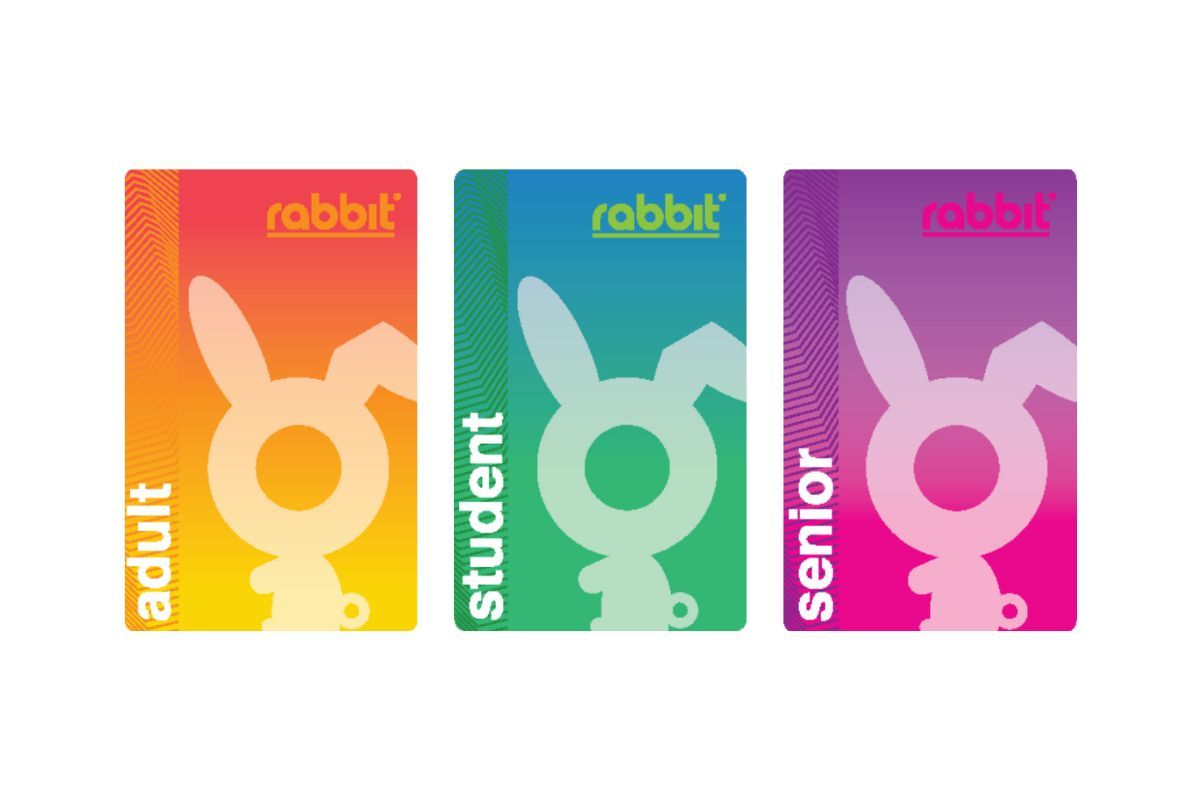
Rabbit Card Is NOT Accepted on MRT Blue Line
No, you cannot use Rabbit Card on the MRT Blue Line.
While Rabbit Card is widely accepted on the BTS Skytrain and some newer rail systems, it does not work on Bangkok’s main underground MRT Blue Line. Travelers must use other payment methods when riding this route.
The reason is simple. The MRT Blue Line uses a separate ticketing system managed by a different transport authority. Because the system is not connected to the Rabbit Card network, card taps will not be recognized at MRT Blue Line gates.
Why Rabbit Card Does Not Work on MRT Blue Line
Different Operators and Ticketing Systems
Bangkok's rail network developed under multiple agencies instead of a single unified operator. As a result, each system uses different ticketing technology and backend fare calculation.
The BTS Skytrain network operates Rabbit Card as its primary stored-value system. The MRT Blue Line, on the other hand, is operated under a separate infrastructure and ticketing platform. Because of this technical separation, the MRT Blue Line gates do not support Rabbit Card readers.
Even though the two networks connect physically at interchange stations, their payment systems remain independent.
Why This Is Confusing for Tourists
Many travelers find Bangkok's transport system easy to use visually. BTS and MRT lines appear together on maps, stations often connect internally, and signage looks similar across the network.
From a visitor perspective, it feels like one unified rail system. Behind the scenes, however, ticketing remains fragmented. This leads many visitors to assume Rabbit Card will work everywhere.
Understanding this difference helps prevent delays at ticket gates and ensures smoother travel around the city.
Accepted Payment Methods on MRT Blue Line
Travelers using MRT Blue Line still have several convenient payment options that avoid buying single-journey tokens repeatedly.
Contactless Credit or Debit Cards
For most tourists, contactless payment is the easiest and most flexible solution.
Visitors can tap physical Visa or Mastercard cards directly at MRT Blue Line entry gates. No local bank account or registration is required. The system calculates fares automatically based on travel distance.
This option is especially convenient for short stays or travelers who only use MRT occasionally. It removes the need to queue at ticket machines and allows quick station entry during busy periods.
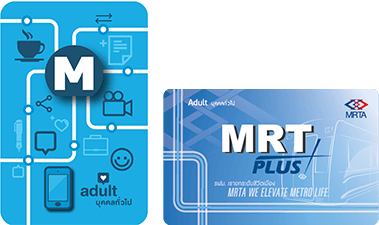
MRT Stored Value Card
The MRT Stored Value Card is designed specifically for MRT-operated rail lines.
This card is valid on MRT Blue Line and Purple Line services. Travelers can purchase it at MRT ticket offices and top it up with prepaid credit.
The card works similarly to Rabbit Card but is limited to MRT services only. A small issuing fee applies, and travelers must maintain balance to continue using the card.
This option suits visitors who plan to use MRT frequently during their stay in Bangkok.
Mangmoom Card (Spider Card)
The Mangmoom Card, often called the Spider Card, offers wider coverage across MRT-operated rail services.
It works on the Blue, Purple, Yellow, and Pink Lines. Because it supports multiple MRT lines, it provides more flexibility compared to the standard MRT card.
Registration is usually required to obtain the card, which makes it more suitable for long-term visitors or residents who rely on public transport daily.
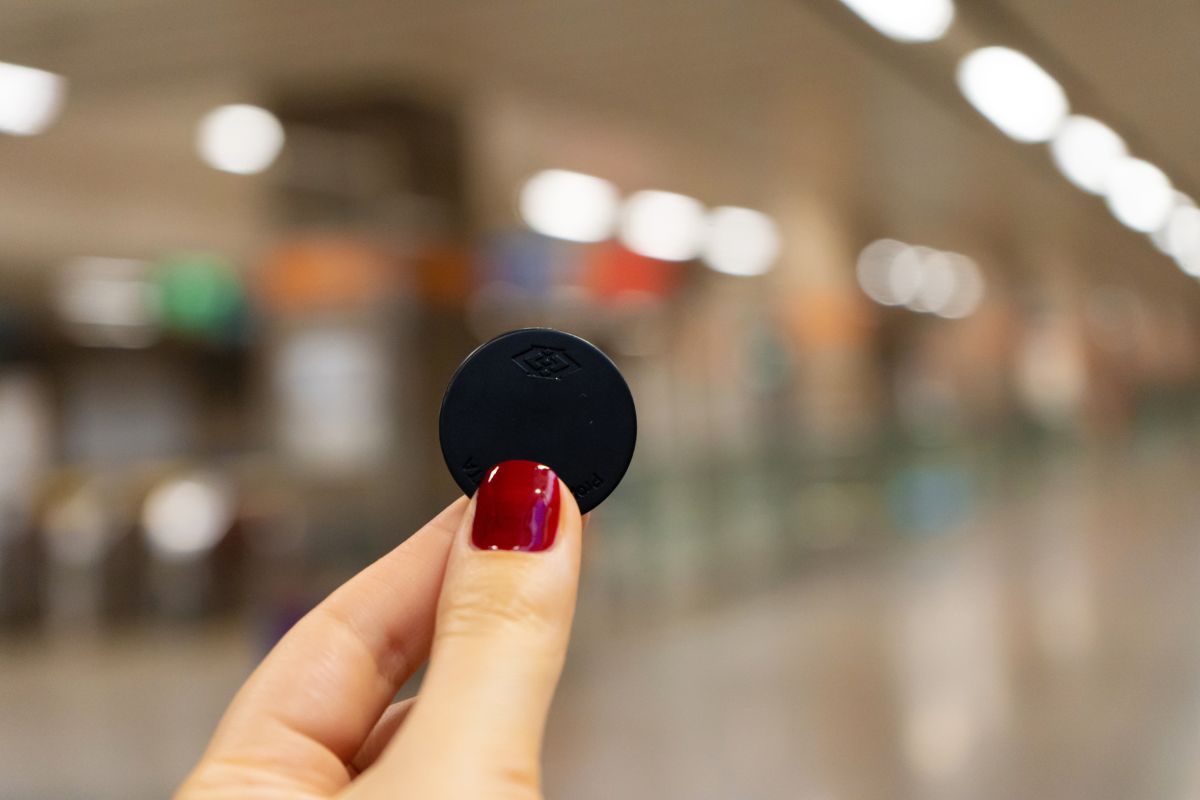
MRT Card vs Mangmoom Card vs Contactless Payment
Choosing the best payment option depends largely on travel duration and usage frequency.
Contactless credit or debit cards are best for short-term visitors who only use MRT occasionally. The convenience and flexibility make this option popular among tourists.
MRT Stored Value Cards are suitable for travelers staying longer and frequently using the Blue or Purple Lines. The card allows faster entry without needing bank card taps.
Mangmoom Cards are ideal for daily commuters or long-stay visitors who travel across multiple MRT routes. It provides broader network access compared to the MRT card.
For most international travelers, contactless payment remains the simplest and most convenient solution.
Where You CAN Use Rabbit Card in Bangkok
Although Rabbit Card does not work on MRT Blue Line, it remains extremely useful across Bangkok's transport network.
BTS Skytrain Lines
Rabbit Card is fully accepted on major BTS Skytrain routes including:
- Sukhumvit Line
- Silom Line
- Gold Line
These routes connect many shopping centers, business districts, and major tourist attractions such as Siam, Silom, and Sukhumvit.
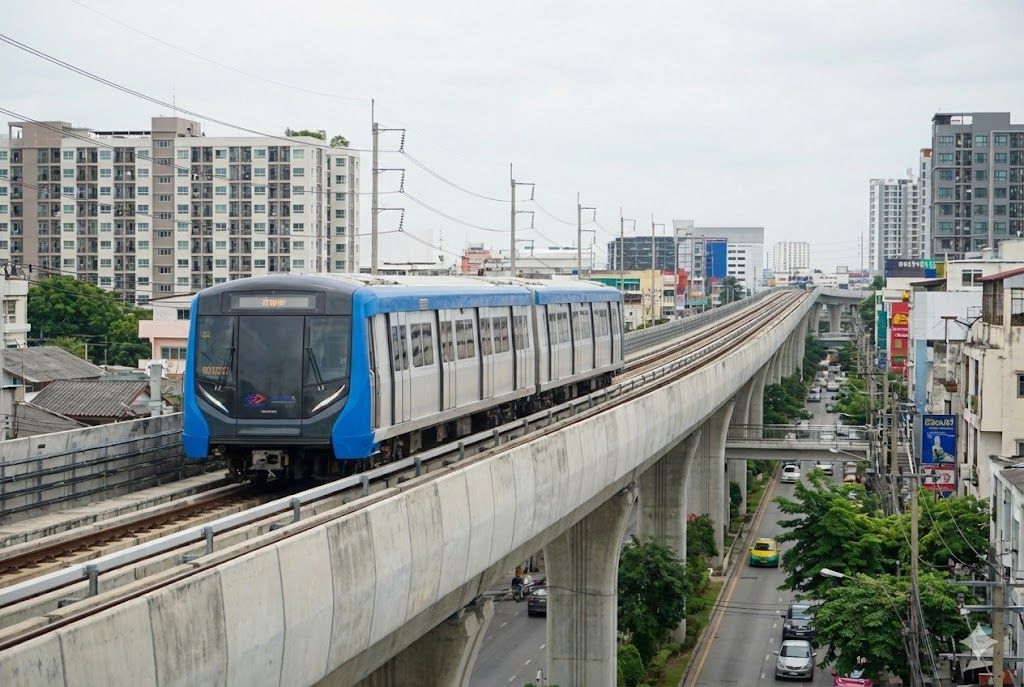
MRT Lines Operated by BTS
Rabbit Card also works on two monorail routes that operate under BTS subsidiaries:
- MRT Yellow Line
- MRT Pink Line
Even though they carry the MRT label, these lines use BTS fare technology, allowing Rabbit Card compatibility.
Other Transport Services
Rabbit Card can also be used for selected public transport services such as:
- BRT Bus Rapid Transit
- Chao Phraya Express Boat on selected routes
Additionally, the card can be used for payments at some retail stores, restaurants, and vending machines around Bangkok.
Why Rabbit Card Works on MRT Yellow and Pink Lines but Not Blue Line
This is one of the most common misunderstandings among visitors.
The Yellow and Pink Lines are monorail systems developed under the BTS group. Because they share BTS fare technology, Rabbit Card is supported.
The MRT Blue Line is an older underground railway operated independently. Its ticketing infrastructure predates Rabbit Card integration, which is why the system remains separate.
Best Payment Option for Tourists Using MRT Blue Line
Short-Term Visitors (1 to 5 Days)
Travelers visiting Bangkok for a short stay and using MRT occasionally should choose contactless Visa or Mastercard payments. This option removes the need for extra cards, deposits, or top-up procedures.
Longer Stays or Frequent MRT Use
Visitors staying longer or commuting regularly may benefit from purchasing an MRT Stored Value Card or Mangmoom Card. These options provide convenience for frequent rides and help avoid repeated credit card usage.
Common Mistakes to Avoid When Using Rabbit Card
Many travelers encounter small issues when first using Bangkok transport systems. Common mistakes include:
Trying to tap Rabbit Card at MRT Blue Line gates
Assuming all MRT lines accept the same payment methods
Buying multiple stored-value cards during short trips
Expecting Rabbit Card to be upgraded for MRT Blue Line compatibility
Learning the system beforehand helps travelers avoid delays and unnecessary expenses.
Will Rabbit Card Work on MRT Blue Line in the Future?
As of 2026, there is no confirmed timeline for full integration between Rabbit Card and MRT Blue Line.
Thailand has discussed unified ticketing systems for several years, but technical, operational, and administrative challenges have slowed implementation. Travelers should plan their transport based on current payment systems rather than future integration plans.
How to Choose the Right Transport Card in Bangkok
Bangkok's rail system is one of the easiest and fastest ways to travel around the city. While the network is modern and well connected, different train lines still use separate payment systems. Understanding when to use each card helps travelers move around Bangkok smoothly and efficiently.
Rabbit Card
- Best for BTS Skytrain routes including Sukhumvit and Silom Lines
- Works on selected monorail routes such as MRT Yellow and Pink Lines
- Convenient for reaching shopping malls, business districts, and major tourist attractions
MRT Card
- Designed for MRT-operated routes including Blue and Purple Lines
- Ideal for underground travel across older districts and cultural areas
- Helps frequent MRT users avoid buying single-journey tickets
Why Using Both Helps
- Reduces waiting time at ticket machines
- Makes transfers between train systems easier
- Provides a smoother and more convenient way to explore Bangkok
Using the correct card for each system allows travelers to spend less time navigating ticketing and more time enjoying Bangkok's attractions.
For full details or specific questions about the Rabbit Card, visit the official BTS information page on the BTS website. To plan your routes more easily, you can also explore our guides to Wat Pho, Wat Phra Kaew, and Chatuchak Market for the best transport options and visiting times.