Bangkok is famous for its energy, food, and attractions, but also for its traffic. Congestion is still a daily reality in 2026, especially during rush hours and in central areas. The good news is that Bangkok now has one of Southeast Asia’s most practical public transport systems if you know how to use it.
The core takeaway for getting around Bangkok efficiently is a rail-first strategy, supported by river boats and ride-hailing when needed. This guide is designed for first-time visitors, repeat travelers, short stays, and longer trips, helping you choose the right transport for the right situation without unnecessary stress.
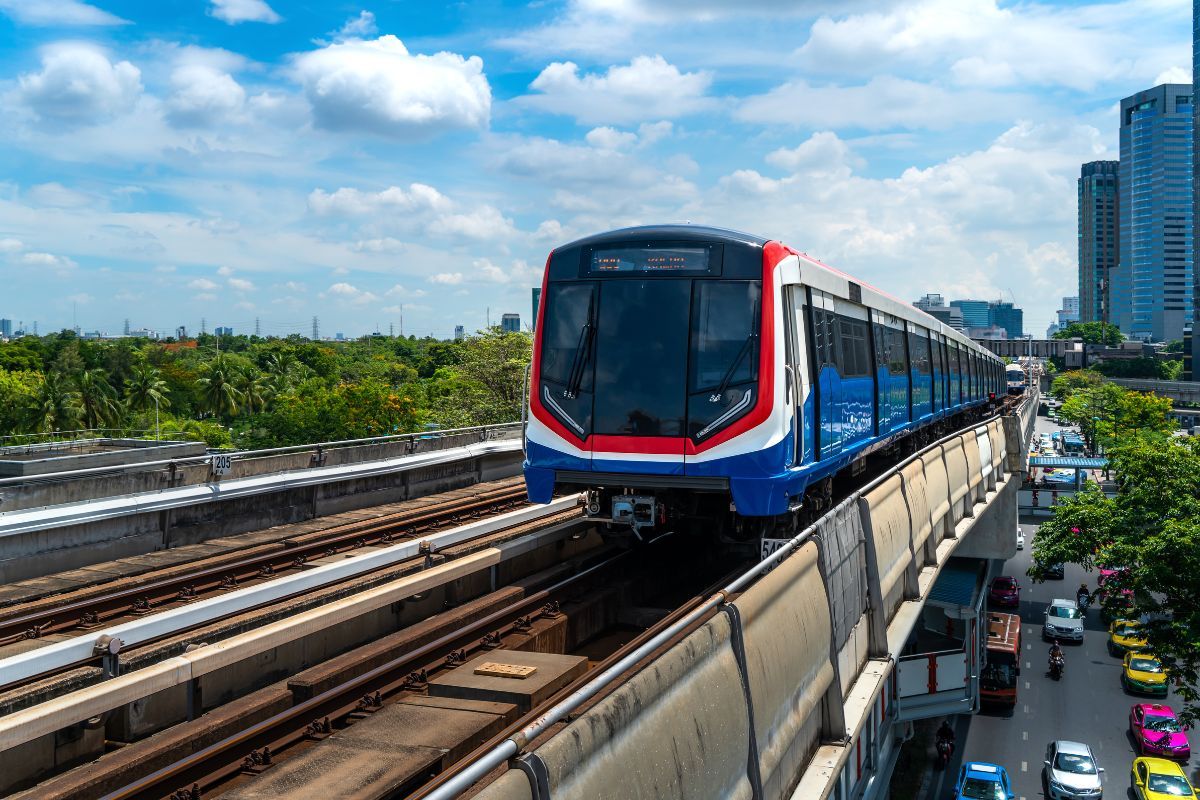
1. Rapid Transit Rail: The Backbone of Bangkok Travel
Bangkok's rail network is the fastest, most reliable, and traffic-free way to move around the city. For most travelers, rail should be the default option.
1.1 BTS Skytrain (Best for Modern Bangkok)
The BTS Skytrain is the most tourist-friendly transport system in Bangkok and the easiest starting point for first-time visitors.
It covers key areas such as Sukhumvit, Silom, Siam, and major shopping and business districts. Popular malls, hotels, rooftop bars, and entertainment areas are all well connected by BTS, making it ideal for sightseeing and daily travel.
The BTS works especially well because stations are clearly signed in English, trains are frequent, and routes are easy to understand even without local knowledge.
Operating hours:
- Daily from 6:00 AM to midnight
Ticketing and payment:
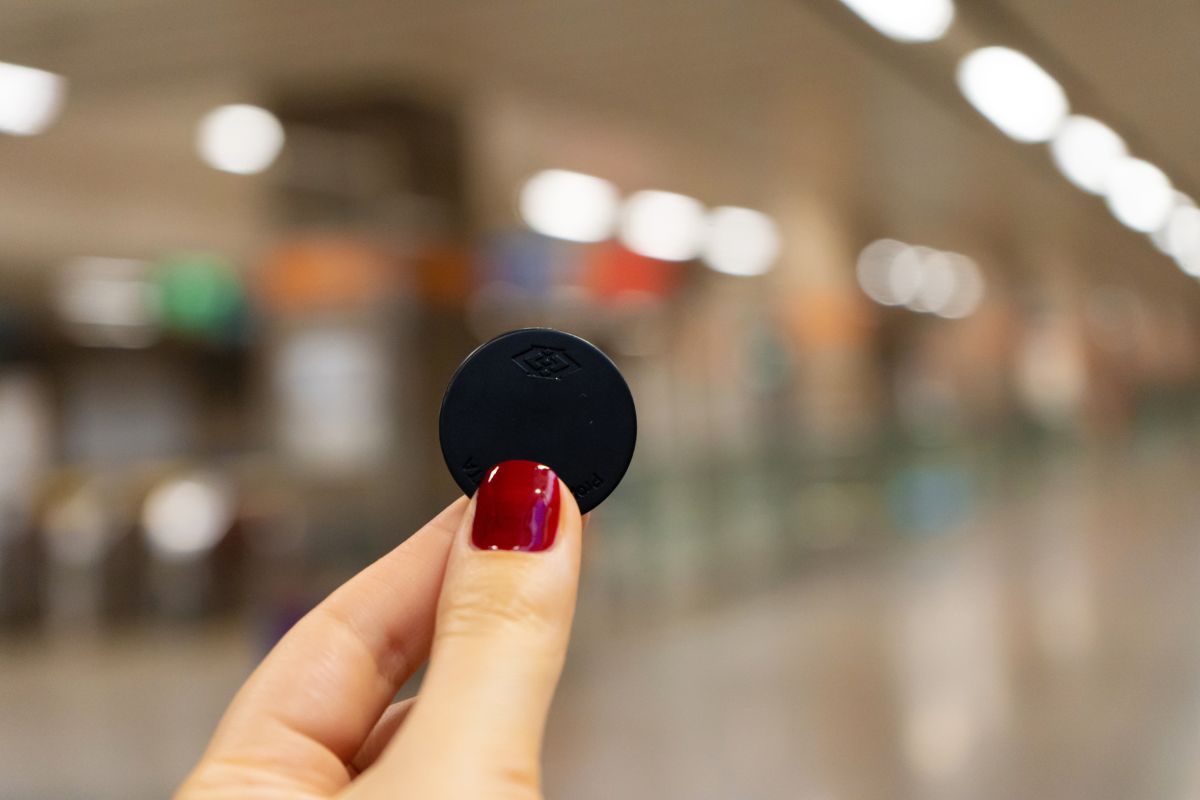
Rabbit Card: A stored-value card that saves time if you plan to use BTS frequently over several days
Single-journey tickets: Easy to buy at station machines for occasional trips
The Rabbit Card makes sense for longer stays or heavy BTS use, while single tickets are perfectly fine for short visits.
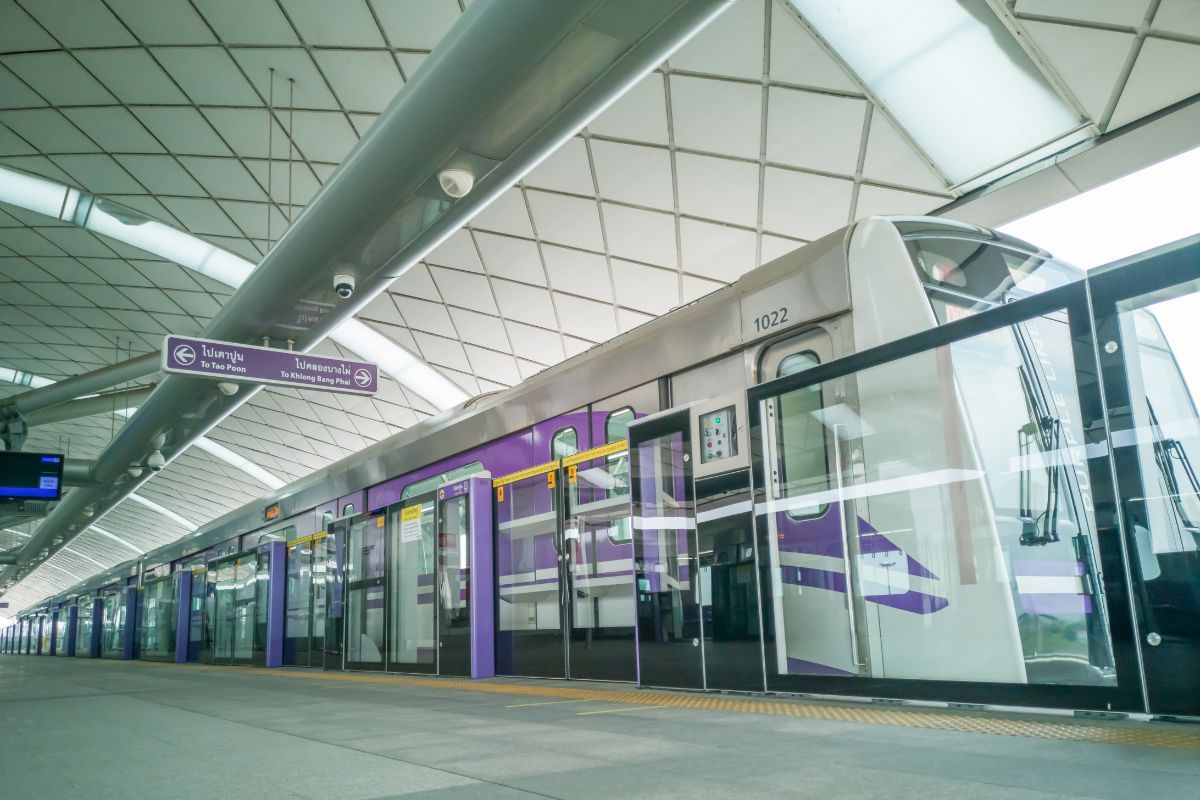
1.2 MRT Subway (Best for Older Districts & Landmarks)
The MRT complements the BTS by serving areas the Skytrain does not reach, especially older neighborhoods, cultural districts, and residential zones.
Key stops include Chinatown (Wat Mangkon) and areas closer to historic attractions. Rather than replacing the BTS, the MRT fills important gaps and makes cross-city travel much easier.
Ticketing and contactless in 2026:
Mangmoom Card (Spider Card): Unified card across MRT-operated lines
Contactless credit and debit cards: Supported on the Blue and Purple lines
For many travelers, tap-and-go with a contactless card is now the simplest option on MRT, especially if you prefer not to manage multiple transport cards.
1.3 Airport Rail Link (ARL): Fastest Airport Connection
The Airport Rail Link remains the most efficient way to travel between Suvarnabhumi Airport and the city.
It avoids road traffic entirely and connects directly to Bangkok's rail network.
Key interchange points:
Phaya Thai: Direct connection to BTS
Makkasan / Phetchaburi: Connection to MRT
The ARL is ideal during peak hours or daytime travel. Taxis may still be more convenient late at night or if you have large luggage and your hotel is far from a station.
2. Water Transportation: Traffic-Free & Scenic Routes
Bangkok's waterways offer a smart alternative for both sightseeing and avoiding traffic, especially near historic areas.
2.1 Chao Phraya Express Boat
The Chao Phraya Express Boat is one of the most practical ways to reach riverside attractions.
It is ideal for visiting temples, historic sites, and neighborhoods along the river.
Orange flag boats: Local commuter boats with fixed fares
Blue flag boats: Tourist-oriented hop-on hop-off services
In many cases, boats are faster than taxis and offer a more pleasant experience than sitting in traffic.
2.2 Saen Saep Canal Boats (Local Shortcut)
Saen Saep canal boats are one of Bangkok's fastest hidden transport options, especially for cutting across congested areas.
Popular routes connect Siam and Pratunam with areas near Old Town and the Golden Mount. Boats are fast, frequent, and extremely efficient.
Travelers should expect a local, no-frills experience with quick boarding and limited seating. While not glamorous, canal boats are unmatched for speed.
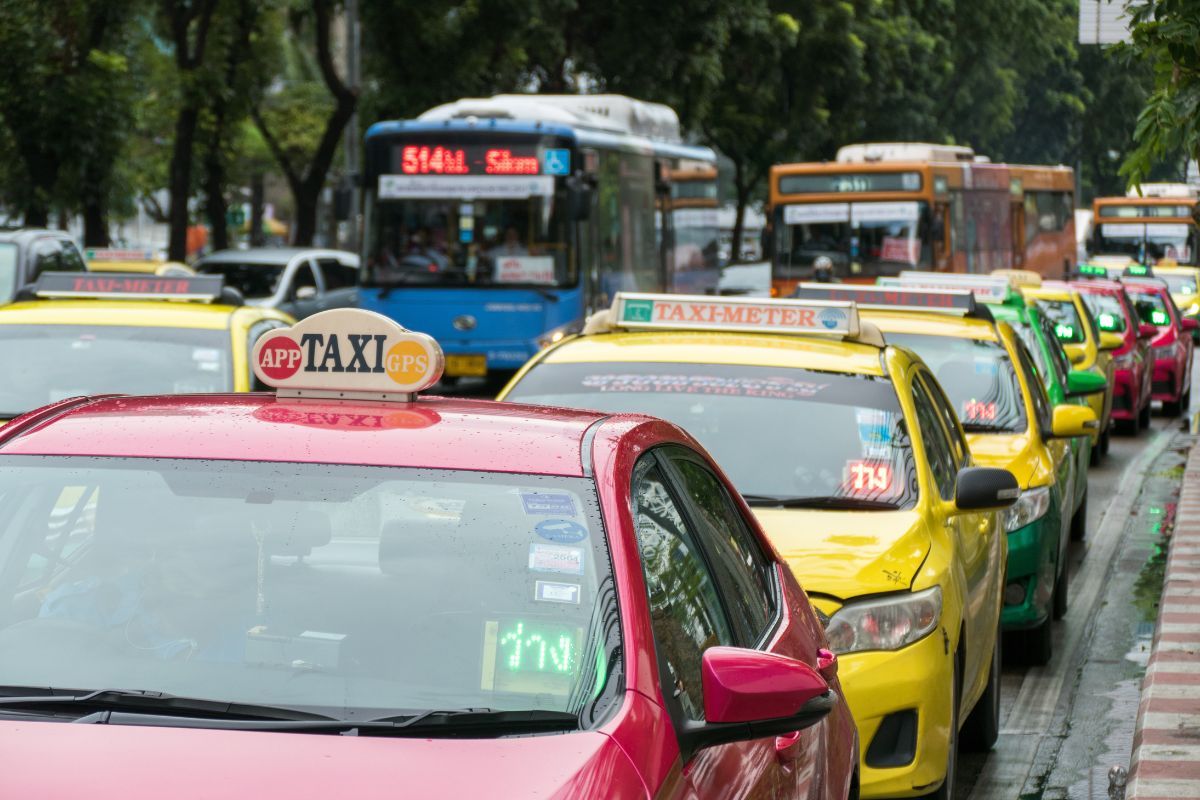
3. Ride-Hailing & Taxis: Door-to-Door Convenience
Ride-hailing and taxis work best as backup options when rail or boats are inconvenient.
3.1 Ride-Hailing Apps in Bangkok
Grab is the most widely used ride-hailing app in Bangkok and the most reliable choice for visitors.
Other options include Bolt and inDrive, which are often 15--35% cheaper than Grab, depending on time and distance.
Ride-hailing is best for:
Late-night travel
Hotels far from rail stations
Rainy days or heavy luggage
Fixed pricing also avoids common issues with street taxis.
3.2 Motorbike Taxis (Win)
Motorbike taxis are the fastest solution for short, last-mile trips, especially during peak traffic.
Locals rely on them heavily, but travelers should use them only for short distances and always wear a helmet when available. They are practical but require comfort with Bangkok traffic conditions.
4. Iconic & Local Transport Options
These transport options are part of Bangkok’s everyday landscape and cultural identity. While they are not the fastest ways to get around, they can add character to your trip or help keep costs low if used in the right situations.
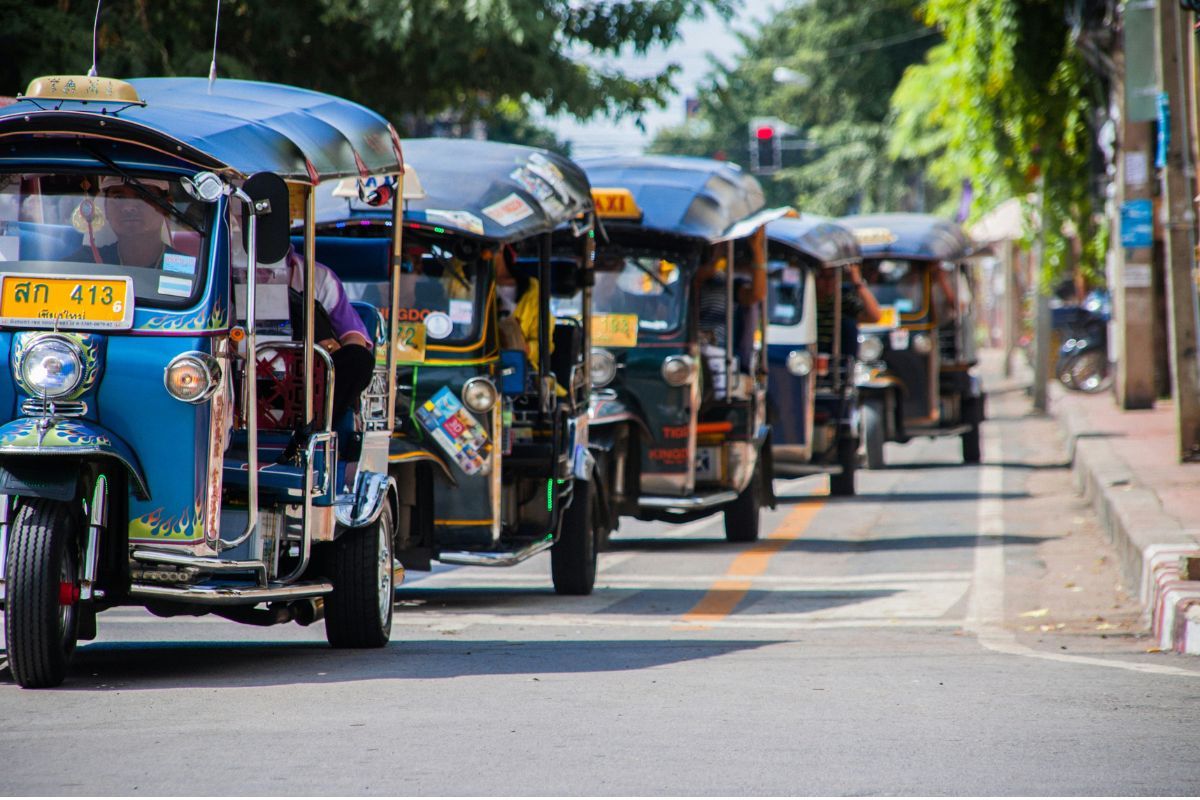
4.1 Tuk-Tuks: Fun but Not Practical
Tuk-tuks are one of Bangkok's most recognizable symbols, but they are best seen as a short experience rather than a reliable transport option. They are open-air, noisy, and offer a fun introduction to the city, especially for first-time visitors who want a quick ride for photos or novelty.
In practice, tuk-tuks are often more expensive than metered taxis, especially in tourist areas, and they do not handle traffic well. They are also less comfortable during hot weather or rain. For this reason, they are best used for very short distances, such as moving between nearby attractions in Old Town.
Tips before getting Always agree on the price before getting in, as tuk-tuks do not use meters. Avoid drivers who offer unsolicited sightseeing detours or shopping stops, as these often lead to higher costs and wasted time.
4.2 MuvMi Electric Tuk-Tuks
MuvMi offers a modern alternative to traditional tuk-tuks. These electric vehicles are app-based, operate with fixed pricing, and run on clearly defined routes within specific neighborhoods.
MuvMi works best for short, local trips, such as moving around areas like Ari, Sathorn, or Old Town. Because fares are shown in advance, there is no need to negotiate, making it more predictable and tourist-friendly than street tuk-tuks. The electric design also makes rides quieter and more comfortable.
Tips before getting While MuvMi is not available citywide, it is a good option when you are staying or exploring within one supported area and want a simple, low-stress ride.
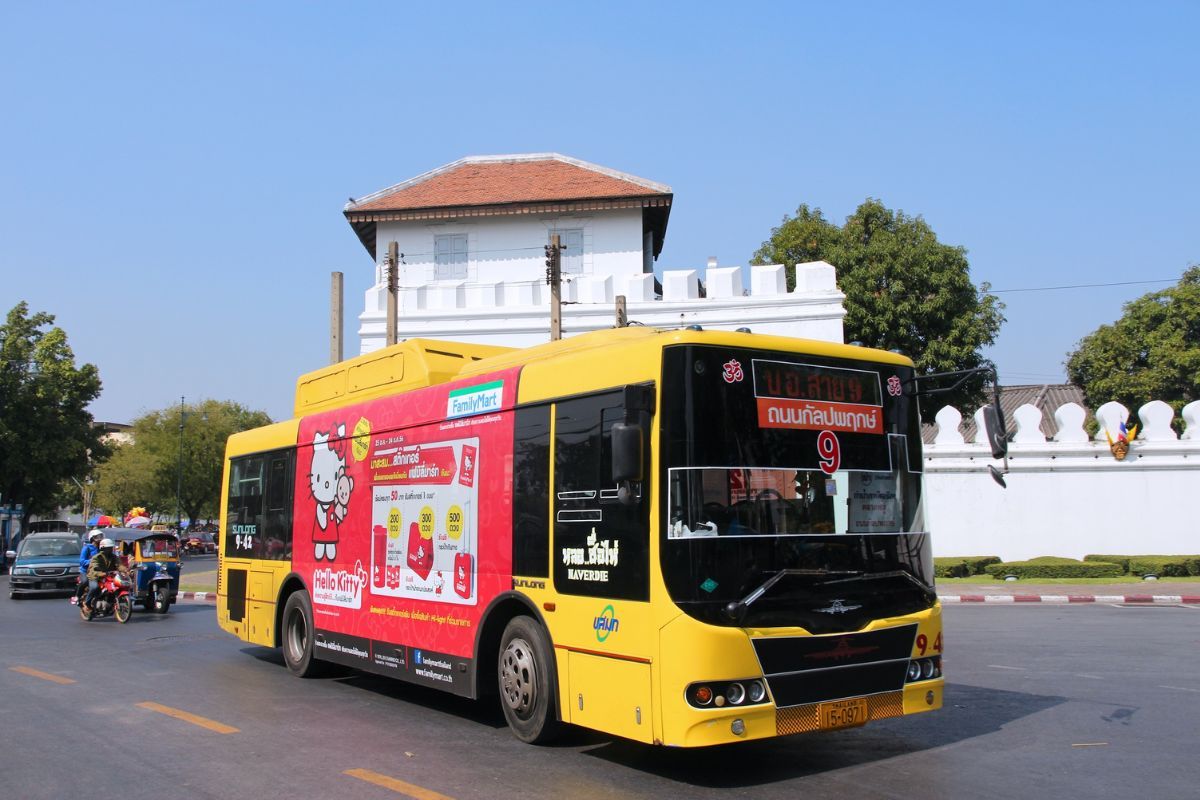
4.3 Public Buses: Cheapest but Least Tourist-Friendly
Bangkok's public buses are the cheapest transport option, with fares starting from around 8 THB, and they serve areas not covered by rail lines. However, they can be challenging for visitors due to complex routes, limited English signage, and frequent changes.
Tips before getting For travelers who want to try buses, apps like ViaBus make the system easier to use by showing real-time bus locations, routes, and arrival times. Even with these tools, buses are best suited for budget-focused travelers or those already familiar with the city.
For most visitors in 2026, buses work best as a backup option rather than a primary way to get around, especially when faster and more user-friendly rail options are available.
Practical Tips for Getting Around Bangkok in 2026
Planning when you travel is just as important as choosing the right transport. Bangkok’s traffic patterns remain predictable in 2026, and avoiding peak hours can save significant time and energy.
1. Avoiding Peak Hours
Bangkok experiences two main rush periods each weekday:
- Morning rush: 7:00–9:00 AM
- Evening rush: 4:30–7:30 PM
During these times, all transport modes are affected, including BTS Skytrain, MRT subway, roads, taxis, and even river boats. Trains become crowded, roads slow to a crawl, and boarding boats can take longer due to queues.
Whenever possible, plan sightseeing, transfers, and longer trips outside peak hours. Late mornings, early afternoons, and later evenings are generally the easiest times to move around. If you must travel during rush hour, allow extra time and expect crowded stations, especially in central areas like Siam, Sukhumvit, and Silom.
By adjusting your schedule slightly, you can avoid unnecessary stress and enjoy a smoother travel experience around Bangkok.
2. Essential Apps to Download
Having the right apps on your phone makes getting around Bangkok much easier, especially for first-time visitors.
Google Maps
Google Maps is the most useful app for planning routes across BTS, MRT, buses, and walking connections. It provides real-time directions, estimated travel times, and clear transfer guidance between different transport modes.ViaBus
ViaBus is especially helpful for tracking public buses and some boat services in real time. It shows routes, live vehicle locations, and arrival estimates, making Bangkok's bus system far more usable for travelers.Grab and Bolt
Grab is the most widely used ride-hailing app in Bangkok, while Bolt often offers cheaper fares for the same routes. Both apps are ideal for late-night travel, trips to hotels far from stations, or situations where rail and boats are not convenient.
3. Payment Tips
Payment methods in Bangkok's transport system are improving, but travelers should still be prepared to use a mix of options.
Contactless credit and debit cards now work on MRT-operated lines, making tap-and-go travel simple and fast.
BTS, public buses, and river boats often still require cash or station-issued tickets, especially for short trips.
Carrying small bills and coins is important, as many ticket counters and boat piers cannot provide large change.
Being prepared with the right apps and payment methods helps avoid delays and makes moving around Bangkok much smoother.
Getting around Bangkok smoothly is only one part of enjoying the city. To plan your days more efficiently, it helps to pair smart transport choices with the right neighborhoods, dining spots, and attractions. Once you know which BTS or MRT lines you’ll use most, explore where to stay in Bangkok to choose areas with easy access, discover where to eat in Bangkok along major transport routes, and plan your days around the top attractions in Bangkok to minimize travel time. Combining transport planning with accommodation, food, and sightseeing choices is the easiest way to experience Bangkok comfortably and stress-free in 2026.
FAQs – Best Way to Get Around Bangkok
What is the best way to get around Bangkok?
The best way to get around Bangkok is by using BTS Skytrain and MRT Subway, as they are fast, reliable, and avoid traffic. Boats and ride-hailing apps work well as backups.
Is BTS or MRT better for tourists?
BTS is better for first-time visitors because it serves popular areas like Siam, Sukhumvit, and Silom. MRT is useful for Chinatown, Old Town access, and residential districts.
Can I use a credit card on Bangkok public transport?
Contactless credit and debit cards work on MRT lines. BTS, buses, and most boats still require cash or stored-value cards like the Rabbit Card.
Is it easy to get around Bangkok without a car?
Yes. Bangkok is easier without a car due to heavy traffic. Public transport, boats, and ride-hailing apps are more efficient than driving.
Are taxis cheap in Bangkok?
Metered taxis are affordable, but traffic can make trips slow. Ride-hailing apps like Grab or Bolt are often more convenient and provide fixed prices.
Are tuk-tuks a good way to get around?
Tuk-tuks are fun for short rides but not practical for regular travel. They are often more expensive than taxis and should be treated as a novelty experience.
What is the fastest way to travel during rush hour?
BTS Skytrain, MRT Subway, and motorbike taxis are the fastest options during rush hours, when road traffic is most congested.
How do I get from the airport to central Bangkok?
The Airport Rail Link (ARL) is the fastest way from Suvarnabhumi Airport to the city, with easy connections to BTS and MRT.
Are river boats useful for sightseeing?
Yes. Chao Phraya Express Boats are ideal for visiting temples and historic attractions while avoiding road traffic.
Which transport apps should I download in Bangkok?
Google Maps for route planning, Grab or Bolt for ride-hailing, and ViaBus for real-time bus and boat tracking are the most useful apps.
Is public bus travel recommended for tourists?
Public buses are very cheap but difficult for visitors due to route complexity and language barriers. They are best for experienced travelers or budget users.
What is the cheapest way to get around Bangkok?
Public buses are the cheapest option, followed by canal boats. However, they may not be the easiest for first-time visitors.
When should I avoid traveling in Bangkok?
Avoid peak hours between 7:00--9:00 AM and 4:30--7:30 PM, as all transport modes are more crowded and slower.
Can I walk around Bangkok easily?
Walking works well within neighborhoods, but distances between attractions are often long. Combining walking with BTS, MRT, or boats is more efficient.