Yaowarat is widely known as Bangkok’s street food capital, and for good reason. As the heart of Chinatown, this buzzing district transforms every evening into a giant open-air kitchen filled with sizzling woks, smoky grills, and endless queues of hungry locals and travelers.
If you’re wondering what to eat at Yaowarat, this guide covers the must-try dishes, Michelin-recommended stalls, desserts, snacks, and practical tips to plan the perfect food crawl in 2026.
Why Yaowarat is Famous for Street Food
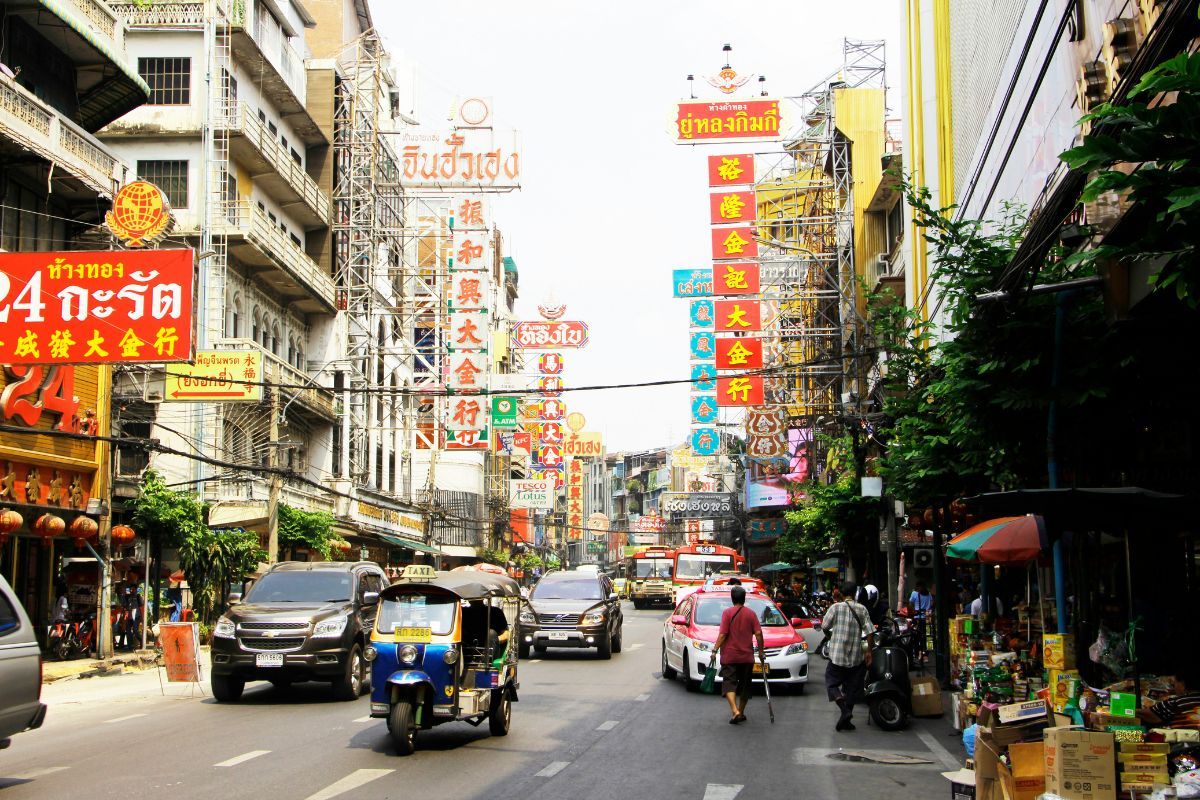
By day, Yaowarat is busy with gold shops, temples, and wholesale markets. But after sunset, it becomes one of the most exciting food destinations in Thailand.
Sidewalks turn into cooking stations. Plastic tables spill onto the streets. Neon Chinese signs glow red and gold above crowds moving from stall to stall.
What makes Yaowarat street food unique:
A strong blend of Thai and Chinese culinary traditions
Recipes passed down through generations
Heavy use of seafood, peppery broths, and wok-fired techniques
Late-night dining culture that runs well past midnight
The best time to visit for food is between 6:00 PM and 10:00 PM, when most vendors are fully operating. This is peak time, so expect queues at popular spots.
Must-Try Signature Dishes at Yaowarat
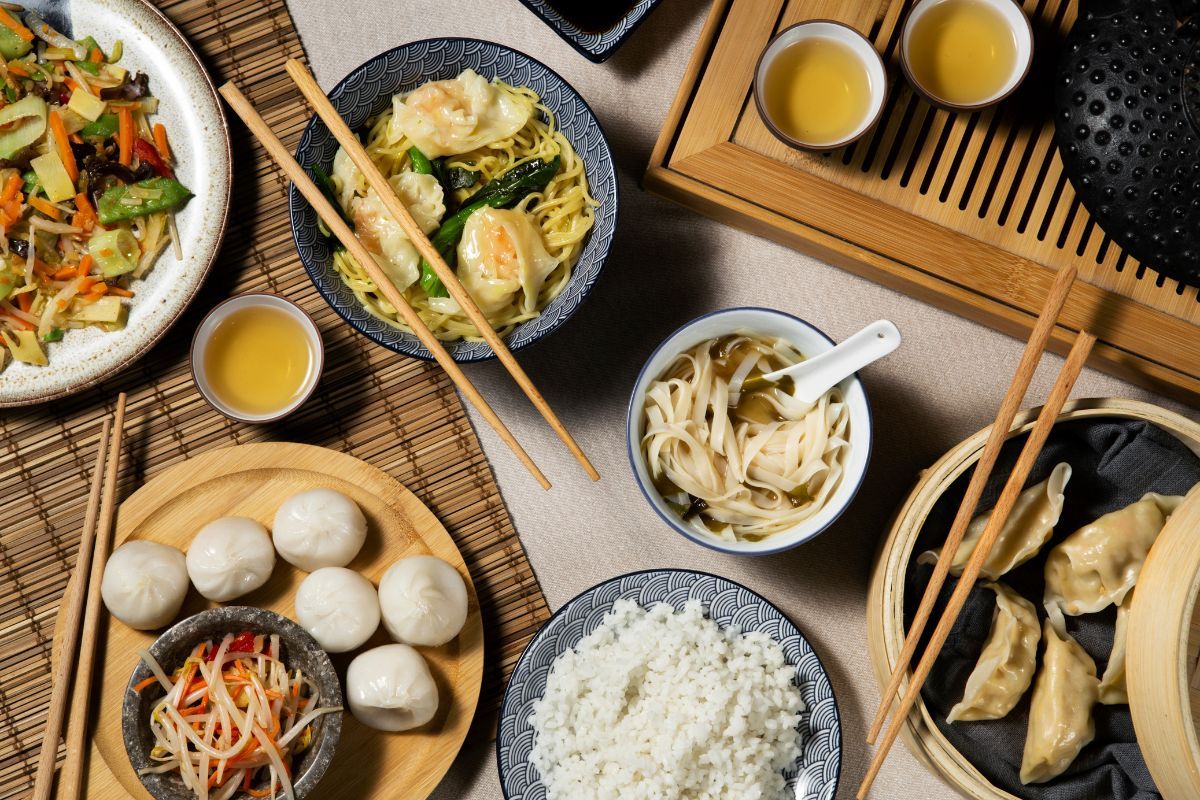
If you're searching for the best food in Yaowarat, start with these iconic Chinatown classics.
1. Oyster Omelette (Hoy Tod)
Crispy on the outside and slightly gooey inside, oyster omelette is a Yaowarat staple. Fresh oysters are fried with egg batter and starch until golden, then topped with bean sprouts and chili sauce.
Why it's special:
Contrast of crunchy edges and soft center
Rich, savory flavor
One of Chinatown's most famous dishes
Many long-standing stalls specialize in just this one item, perfecting it for decades.
2. Guay Jub (Peppery Rolled Noodle Soup)
Guay Jub is a comforting bowl of rolled rice noodles in a dark, peppery broth. It's usually served with crispy pork belly, pork offal, and boiled egg.
Why people love it:
Deep, aromatic pepper flavor
Late-night comfort food
Signature Thai-Chinese soup dish
It's especially popular after 8 PM when the air cools and the broth feels extra satisfying.
3. Grilled Seafood & Squid
Fresh river prawns, giant squid, crab claws, and shellfish are displayed on ice before being grilled over charcoal.
What to expect:
Smoky aroma from open flames
Served with spicy seafood dipping sauce
Cooked to order and eaten immediately
For seafood lovers, this is one of the absolute must-try dishes in Yaowarat.
4. Fish Maw Soup
A traditional Chinese-style delicacy, fish maw soup is thick, silky, and rich. It's typically cooked with chicken broth, mushrooms, and sometimes crab meat.
Why it stands out:
Considered a premium dish
Often found at Michelin-recognized stalls
Deeply rooted in Chinese culinary tradition
It's a popular dish among both locals and visiting food enthusiasts.
5. Dim Sum & Dumplings
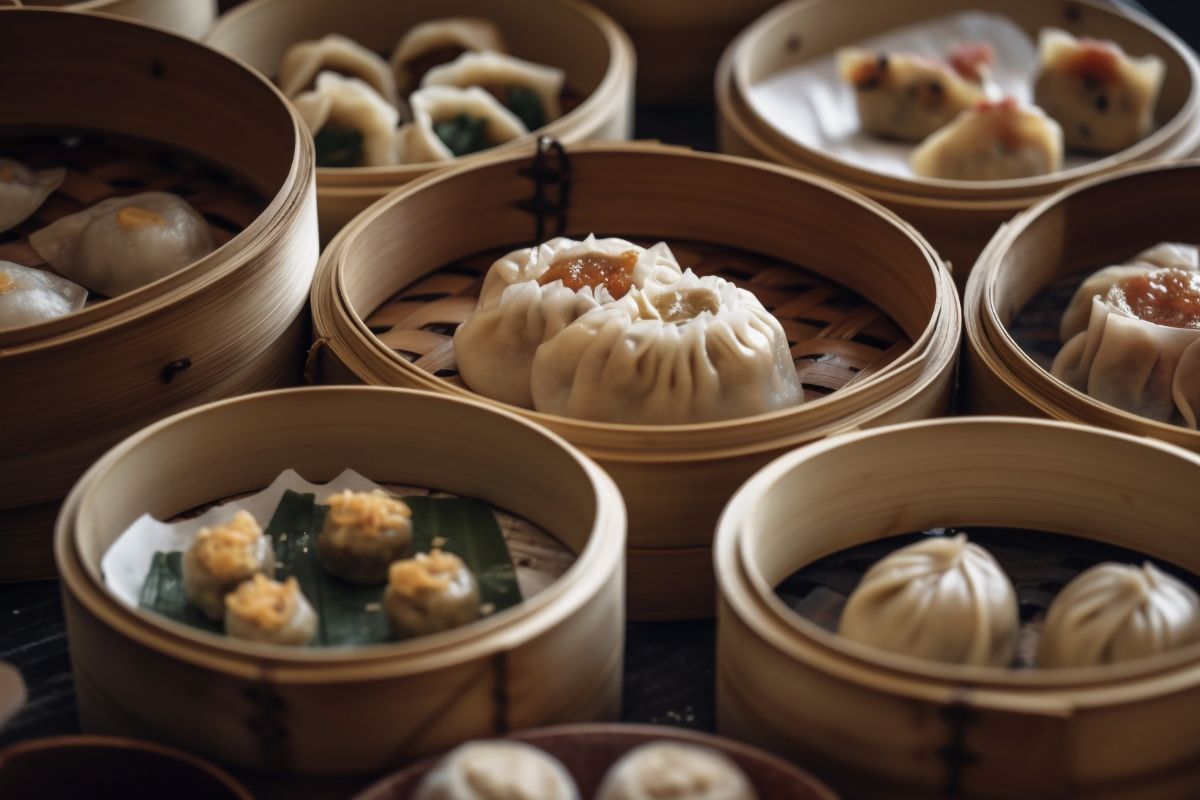
Steam baskets filled with shrimp dumplings, pork buns, and siu mai are easy to find in Chinatown.
Perfect for:
Quick bites while walking
Sharing between friends
Sampling multiple flavors in one stop
Best Noodles & Rice Dishes in Yaowarat
Beyond its famous soups and seafood grills, Yaowarat is a paradise for noodle and rice lovers. Many of the most popular stalls specialize in just one dish, refining it for decades. If you want something filling, affordable, and deeply satisfying, these classics should be at the top of your list.
Ba Mee (Egg Noodles with Roast Pork)
Ba Mee is one of the most iconic noodle dishes in Yaowarat. Thin, springy egg noodles are tossed in light soy seasoning and topped with slices of red roast pork (char siu), crispy pork belly, and sometimes dumplings or greens. Some stalls serve it dry with sauce at the bottom, while others offer it in a clear broth.
What makes it special:
Perfectly chewy egg noodles
Sweet-savory roast pork
Quick, efficient service ideal for a food crawl
It's a go-to choice if you want something simple but flavorful.
Wonton Noodles
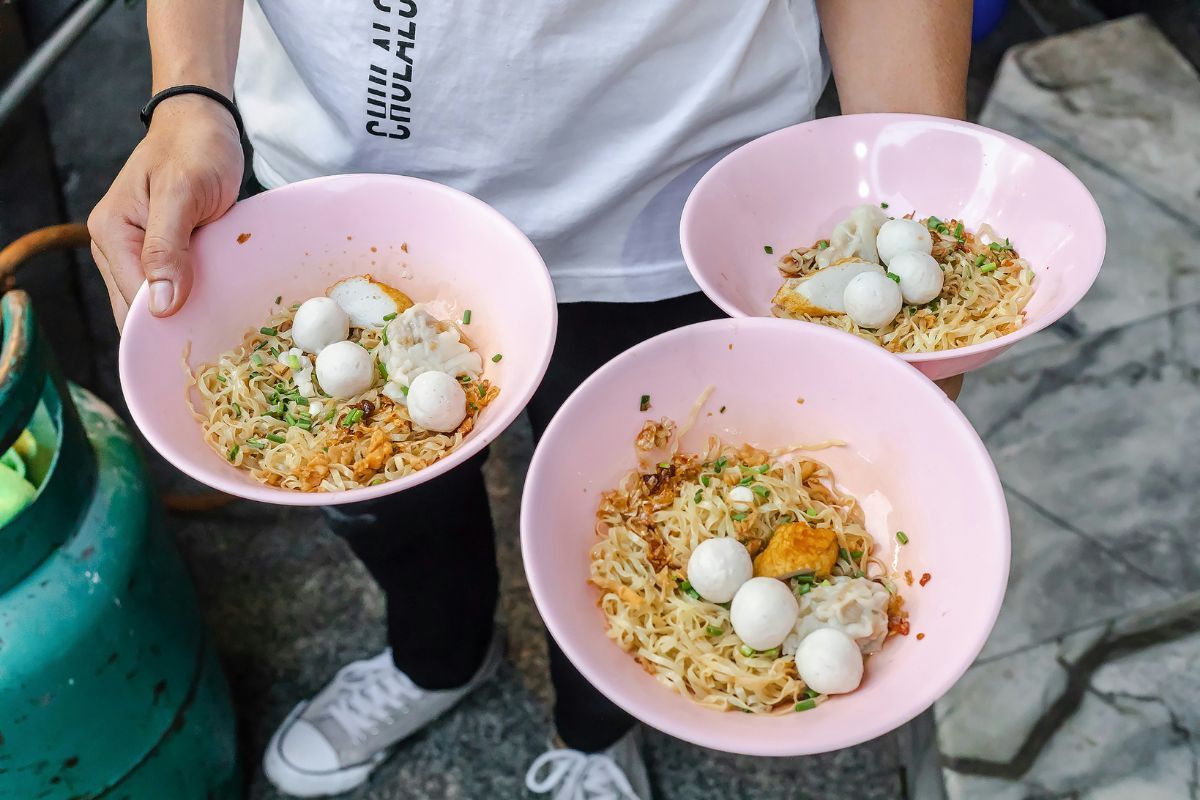
Wonton noodles are another Chinatown staple. The dish typically features delicate pork or shrimp dumplings served with egg noodles in a light, aromatic broth. Some vendors offer a dry version topped with sauce and accompanied by soup on the side.
Why people love it:
Light yet satisfying
Balanced flavors without being heavy
Easy to enjoy even after sampling multiple dishes
It's an excellent mid-crawl dish that won't feel overwhelming.
Fried Rice Specialties
Yaowarat's fried rice is far from ordinary. Cooked over extremely high heat in a wok, the rice develops a smoky ""wok hei"" aroma that gives it a distinctive flavor. You'll find variations with crab meat, Chinese sausage, shrimp, or salted fish.
Highlights:
Fragrant, slightly charred aroma
Generous portions
Ideal for sharing
Crab fried rice is particularly popular and pairs perfectly with grilled seafood ordered from nearby stalls.
Rad Na (Gravy Noodles)
Rad Na features wide rice noodles topped with a thick, glossy gravy made from soy sauce and stock. It's commonly served with pork, chicken, or seafood, along with Chinese kale for freshness.
Why try it:
Comforting and hearty
Silky sauce coating every noodle
A strong representation of Thai-Chinese cuisine
This dish is especially satisfying if you prefer rich, saucy noodles over clear soups.
Why Noodles & Rice Matter in Yaowarat
These noodle and rice dishes reflect the deep Chinese culinary influence in Bangkok's Chinatown. They are:
Affordable, typically between 60-150 THB
Filling enough for a full meal
Easy to eat while sharing tables in busy street settings
Whether you choose a light bowl of wonton noodles or a smoky plate of crab fried rice, these dishes are essential when exploring the best food in Yaowarat.
Top Noodle Spots in Yaowarat
1. Nai Ek Roll Noodles
One of Yaowarat's most famous noodle stalls, known for its rich Guay Jub (peppery rolled noodles) with crispy pork belly and offal in a deeply flavored broth. Often bustling with locals and visitors alike, this stall has earned a Bib Gourmand and is a must-try comfort dish.
2. Guay Jub Ouan Pochana
Another beloved noodle institution, this stall serves a savory Guay Jub soup rich with pepper and spices. The broth is aromatic and satisfying, especially on cooler nights or after a long food crawl.
3. Lek & Rut Noodle Shop
Popular for its wonton noodles and ba mee variations, Lek & Rut combines springy noodles with plump wontons and flavorful toppings. Light yet satisfying, it's ideal for diners who want a classic noodle experience in Chinatown.
4. Ba Mee Shop near Soi Texas
This local favorite specializes in Ba Mee (egg noodles with roast pork and wontons). The noodles are springy, and the roast pork is perfectly glazed --- a straightforward but delicious Bangkok noodle meal.
5. Rung Reung Noodle Stall
Known for a flavorful take on fried noodles and gravy noodles (Rad Na) with pork or seafood. The thick sauce and bold seasoning make it a hearty choice in a casual street setting.
- T&K Noodle Addition While T&K is best known for seafood, many visitors also enjoy their noodle dishes (especially noodle bowls served with grilled seafood toppings). It's a good choice if you want to pair noodles with seafood in one meal.
Quick Tips for Noodle Dining in Yaowarat
Go early (around 5:30-6:00 PM) to beat long lines at popular stalls.
Combine noodle stops with nearby street food, like grilled seafood or oyster omelette, for a full Chinatown food experience.
These eateries are typically cash only, so bring small Thai baht notes.
Many noodle stalls are noodle + soup combinations, but a few serve dry noodles with a side broth — both are worth trying.
Street Snacks & Quick Bites
Not everything in Yaowarat requires sitting down at a restaurant. Some of the best Yaowarat street snacks are meant to be enjoyed while walking under the neon lights.
1. Grilled Pork Skewers & Satay
Sweet, smoky pork skewers glazed over charcoal are a classic Chinatown bite. Look for stalls near Yaowarat Road intersections and Soi Texas, where vendors grill fresh skewers continuously. Pair them with sticky rice and spicy peanut sauce for a satisfying quick snack.
2. Steamed Buns (Bao)
For soft, fluffy buns filled with roast pork, custard, or red bean, try Salapao Yaowarat or small roadside dim sum stalls near Wat Mangkon. These are perfect if you want something light between heavier dishes.
3. Chinese Sausages
Sweet-savory Chinese sausages are often grilled and sliced fresh at night stalls. Vendors near Lek & Rut Seafood and along central Yaowarat Road frequently serve them hot off the grill. They make an excellent salty-sweet bite while exploring.
4. Fried Dough & Pastries
Crispy dough sticks and flaky pastries are popular late-night snacks. Try Pa Tong Go Savoey for freshly fried dough with pandan custard dip, or small pastry shops in the Sampeng area for traditional Chinese baked goods.
5. Michelin-Recommended Snack Stops
Several Yaowarat food stalls have earned recognition from the Michelin Guide for their exceptional quality and value. Highlights include Guay Jub Ouan Pochana, known for its peppery rolled noodle soup (often enjoyed as a snack-style portion), and Lim Lao Ngow, where bouncy fishball-egg noodles are legendary among both locals and guides.
Desserts & Sweet Treats You Shouldn't Miss
After all the savory flavors, dessert is essential when exploring Yaowarat.
1. Mango Sticky Rice
For one of the best versions in Chinatown, visit Kor Panich (nearby Banglamphu, worth the short trip) or mango stalls operating at night along Yaowarat Road. Sweet ripe mango paired with creamy coconut sticky rice is a perfect finish.
2. Chinese Sweet Soups
Warm desserts made with lotus seeds, gingko nuts, longan, or red beans can be found at traditional shops like Nam Sing Bird's Nest. These herbal-style sweets are comforting and not overly sugary.
3. Ice Cream & Cold Desserts
Try coconut ice cream carts along the main road, often topped with roasted peanuts and sticky rice. For something more unique, look for grass jelly desserts or milk tea ice cream stalls tucked into side alleys.
4. Herbal Drinks & Fresh Juices
To cool down, grab chrysanthemum tea, roselle juice, or fresh pomegranate juice from street vendors near Wat Mangkon Station. These drinks are refreshing and help balance out spicy and oily dishes.
Michelin-Recommended & Popular Stalls in Yaowarat
Several Yaowarat restaurants and street vendors have earned Michelin Bib Gourmand and Michelin Guide selections, making Chinatown one of the most exciting food districts in Bangkok for serious eaters. These establishments regularly draw long queues, especially between 6:30 PM and 9:00 PM, as diners line up for dishes that combine heritage recipes with consistent execution.
What makes Michelin-recommended spots in Yaowarat stand out is not luxury presentation, but:
Time-tested family recipes passed down for generations
High-quality ingredients handled with precision
Focused menus built around one perfected signature dish
Strong local reputation long before international recognition
Here are some of the most notable Michelin-recognized names in Yaowarat:
1.Nai Ek Roll Noodles (Bib Gourmand)
Famous for Guay Jub (peppery rolled rice noodles), this stall serves a deeply aromatic broth packed with crispy pork belly and offal. The pepper kick and rich flavor make it one of Chinatown's most iconic comfort dishes.
2. Lim Lao Ngow (Bib Gourmand)
Known for its fish ball egg noodles, this long-standing family business specializes in springy noodles topped with handmade fish balls and minced pork. The broth is light yet flavorful, making it a popular late-night stop.
3. Nai Mong Hoi Tod (Bib Gourmand)
Often cited as one of the best oyster omelette vendors in Bangkok, this stall delivers a perfectly crisp exterior with juicy oysters inside. The balance of texture and freshness keeps customers coming back.
4. Jok Prince (Bib Gourmand)
While slightly off the main strip, this legendary rice porridge stall is known for its smoky wok-flavored congee topped with pork and egg. A great option for late-night or early-morning dining.
5. Tang Jai Yoo Restaurant (Michelin Guide Selection)
A historic Chinese-Thai seafood restaurant known for traditional banquet dishes and crab specialties. Ideal if you prefer a sit-down meal over street dining.
These Michelin-recommended Yaowarat restaurants prove that street food can be world-class. They represent the best of Bangkok Chinatown's culinary heritage, where decades of refinement turn simple dishes like noodles, oyster omelette, and fish maw soup into unforgettable experiences. Explore Bangkok’s Michelin-recommended street food and taste why the city is one of the world’s top culinary destinations.
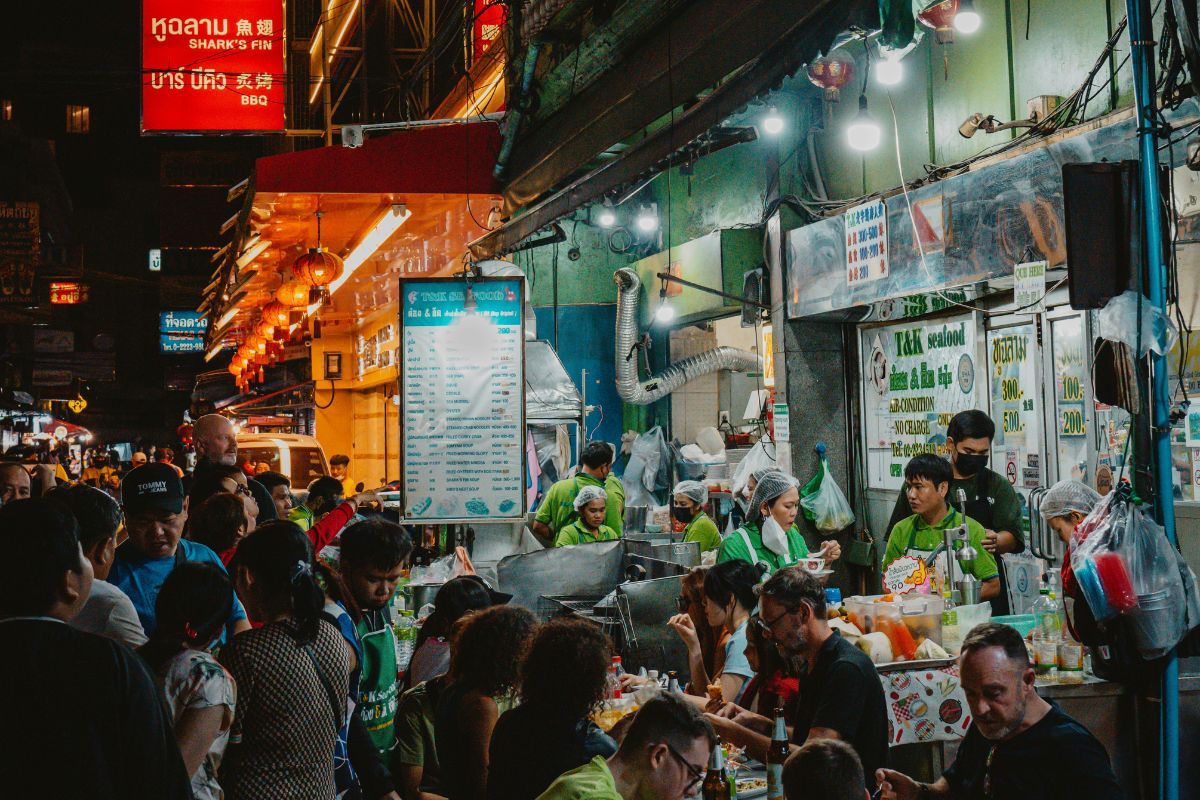
Suggested Yaowarat Food Crawl Route (2-3 Hours)
If you only have one evening in Chinatown, a structured Yaowarat food crawl helps you taste a wide range of dishes without feeling overwhelmed too quickly. The key is to start light, build up gradually, and save room for dessert.
Step 1: Warm Up with a Signature Soup (30-40 minutes)
Begin your crawl with a comforting bowl of fish maw soup or Guay Jub (peppery rolled noodle soup). These dishes are flavorful but not too heavy, making them perfect starters.
Fish maw soup offers a silky texture and rich Chinese-style broth.
Guay Jub delivers bold pepper aroma with crispy pork and soft rolled noodles.
Starting with soup prepares your palate without filling you up too quickly.
Step 2: Move to Seafood or Oyster Omelette (30-40 minutes)
Next, head toward one of Yaowarat's famous seafood stretches. Look for smoky grills and large displays of prawns and squid.
Try:
Grilled river prawns cooked over charcoal
Grilled squid with seafood dipping sauce
Oyster omelette (Hoy Tod) with crispy batter and fresh oysters
This stage brings stronger flavors and richer textures into your crawl. Share plates if possible so you can sample more without overeating.
Step 3: Add Noodles or a Rice Dish (30 minutes)
After seafood, balance the meal with a classic noodle or rice dish.
Options include:
Ba Mee egg noodles with roast pork
Wonton noodles in light broth
Rad Na wide noodles with thick gravy
Wok-fried rice with Chinese sausage or crab
These dishes are filling but comforting, rounding out your savory course before dessert.
Step 4: End with Dessert & Sweet Treats (20-30 minutes)
No Yaowarat food crawl is complete without something sweet.
Top picks:
Mango sticky rice
Chinese sweet soups with lotus seeds or red beans
Coconut ice cream with peanuts and sticky rice
Sesame dumplings or custard buns
Desserts help cool down the palate after the peppery and grilled flavors.
Step 5: Grab a Herbal Drink to Finish
Before heading out, pick up a refreshing drink such as:
Chrysanthemum tea
Grass jelly drink
Fresh pomegranate juice
Iced longan juice
These traditional beverages help you cool down and digest after a heavy meal.
Suggested Walking Direction
Start near Wat Traimit (Golden Buddha) and walk east along Yaowarat Road.
After your main dishes, turn into Sampeng Lane to explore market alleys.
Finish your crawl by heading toward Talad Noi for a quieter riverside atmosphere.
Pro Tips for a Successful Food Crawl
Share dishes with friends to try more items.
Order smaller portions when possible.
Avoid eating too much at the first stop.
Peak hours are 6:30 PM to 9:30 PM — expect queues.
Keep cash ready for quick payment.
Following this 2-3 hour Yaowarat food crawl route lets you experience the best street food in Bangkok's Chinatown in a balanced, satisfying way without feeling rushed or overly full too early.
Practical Tips for Eating at Yaowarat
Eating your way through Yaowarat is exciting, but a little preparation makes the experience smoother and more enjoyable. Bangkok's Chinatown can be intense, especially at night, so keep these practical tips in mind.
1. Bring Cash
Most Yaowarat street food vendors operate on a cash-only basis. While a few larger restaurants accept QR payments or cards, small stalls typically do not. Bring small bills in 20, 50, and 100 THB denominations to make transactions quick and easy.
2. Arrive Before Peak Hours
The best time to start eating is around 5:30-6:00 PM. By 7:00 PM, popular Michelin-listed stalls often have long lines, and seating becomes limited. Arriving early lets you enjoy top dishes with shorter waits.
3. Choose Busy Stalls
High turnover is a good sign. If a stall has:
A steady queue of locals
Fresh ingredients being constantly cooked
Food prepared in small batches
...it usually means freshness and consistent quality.
4. Be Ready to Share Tables
Many street food vendors operate with communal seating. You may be seated next to strangers, especially at peak hours. This is completely normal in Bangkok and part of the authentic Chinatown experience.
5. Wear Comfortable Shoes
You will likely walk several hundred meters along Yaowarat Road and into narrow side streets like Sampeng Lane. The sidewalks can be uneven and crowded, so comfortable shoes are essential.
6. Expect Limited Seating
At peak hours between 7:00 PM and 9:30 PM:
Some stalls only offer takeaway
Tables fill quickly
Waiting times can exceed 30 minutes
If you see an empty seat, act fast.
7. Observe Food Hygiene
Food hygiene at popular Yaowarat stalls is generally good, especially at long-established vendors. Still, take a quick look at:
Clean cooking surfaces
Proper ingredient storage
Staff using gloves or utensils
Choosing busy stalls also reduces the chance of food sitting out too long.
Budget Guide: How Much Does It Cost to Eat at Yaowarat?
One of the best things about Yaowarat street food is its value. Whether you're a backpacker or a seafood lover looking to splurge, there's something for every budget.
Average Dish Prices
Simple noodle bowl: 60-120 THB
Oyster omelette: 100-200 THB
Grilled river prawns: 250-800 THB depending on size
Fish maw soup: 150-300 THB
Desserts and sweet soups: 40-120 THB
Herbal drinks and fresh juices: 20-60 THB
Estimated Budget Per Person
Budget Food Crawl (300-500 THB)
You can enjoy 3-4 dishes such as noodles, oyster omelette, and dessert without breaking the bank.
Mid-Range Experience with Seafood (600-1,200 THB)
Add grilled prawns or crab to your crawl for a more indulgent Chinatown dinner.
Premium Seafood Feast (1,500+ THB)
If you opt for large river prawns, crab dishes, and multiple seafood plates at a sit-down restaurant, your bill can rise significantly—but the quality and freshness justify the splurge.
Whether you're searching for cheap eats in Bangkok or planning a full Yaowarat seafood feast, Chinatown offers incredible value compared to many global food cities. With careful planning, you can experience some of the best street food in Yaowarat without overspending—and leave completely satisfied.
If you are visiting Yaowarat during Chinese New Year in Bangkok, be sure to experience the spectacular celebrations in Yaowarat, where dragon dances, red lanterns, and vibrant street performances transform Chinatown into one of the city’s most exciting cultural highlights. To explore more local insights, read our complete Chatuchak Market and Chatuchak Map Guide to plan your weekend shopping adventure with confidence. You can also continue your Bangkok journey by visiting iconic landmarks such as Wat Pho and Wat Phra Kaew, two essential cultural attractions known for their rich history and breathtaking temple architecture.