Pad Thai is Thailand’s most iconic dish, and while you can find it almost everywhere in the country, not all Pad Thai is created equal. Bangkok is one of the best places to truly compare different styles, from simple street stalls to Michelin-recognized restaurants.
What makes Bangkok special is the range of Pad Thai experiences. You can try a quick 60 THB plate cooked over a roadside wok, or sit down for a refined version made with premium prawns and carefully balanced flavors. Each version reflects a slightly different approach, whether it’s sweeter, more savory, or enhanced with rich shrimp oil.
This guide helps you cut through the noise by showing you where to find the best Pad Thai in Bangkok, based on location, budget, and taste preference, so you can choose the version that suits you best.
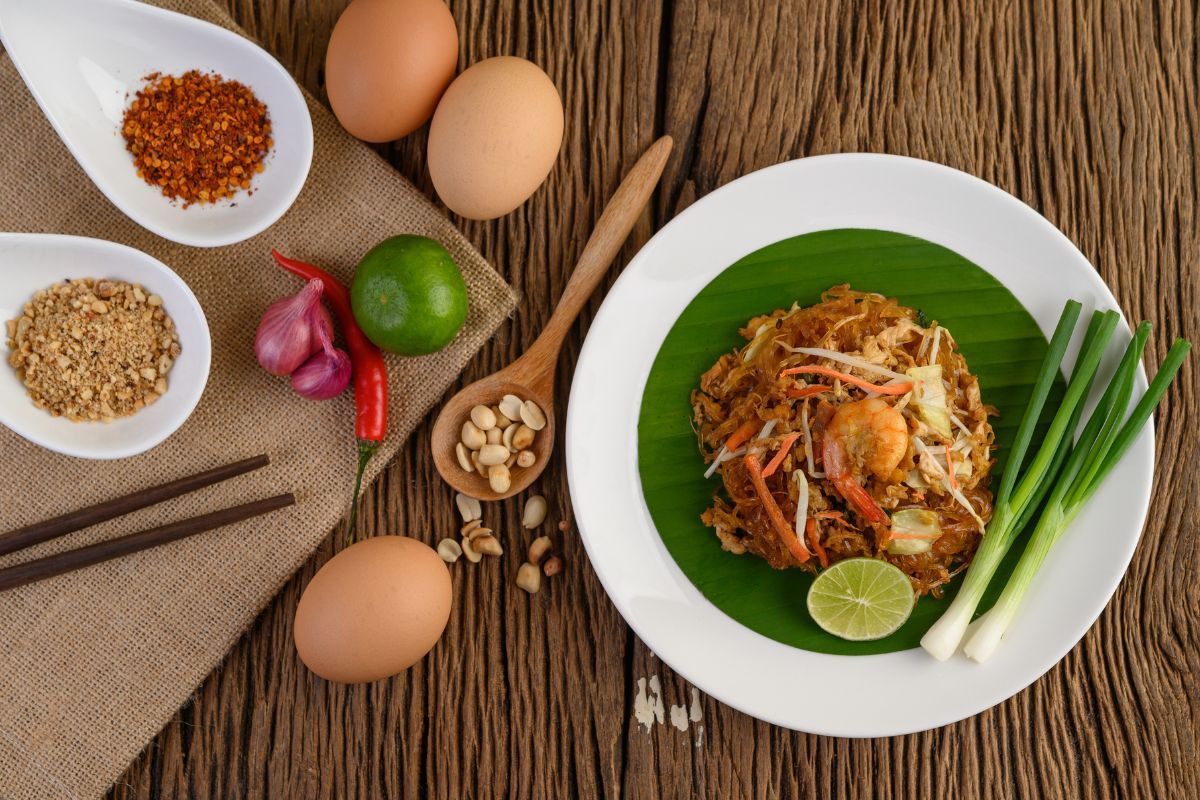
What to know about Pad Thai
What Makes Bangkok Pad Thai Unique
Bangkok Pad Thai is defined by its balance of flavors.
- Sweetness from palm sugar
- Sourness from tamarind
- Saltiness from fish sauce
- Umami from dried shrimp and wok cooking
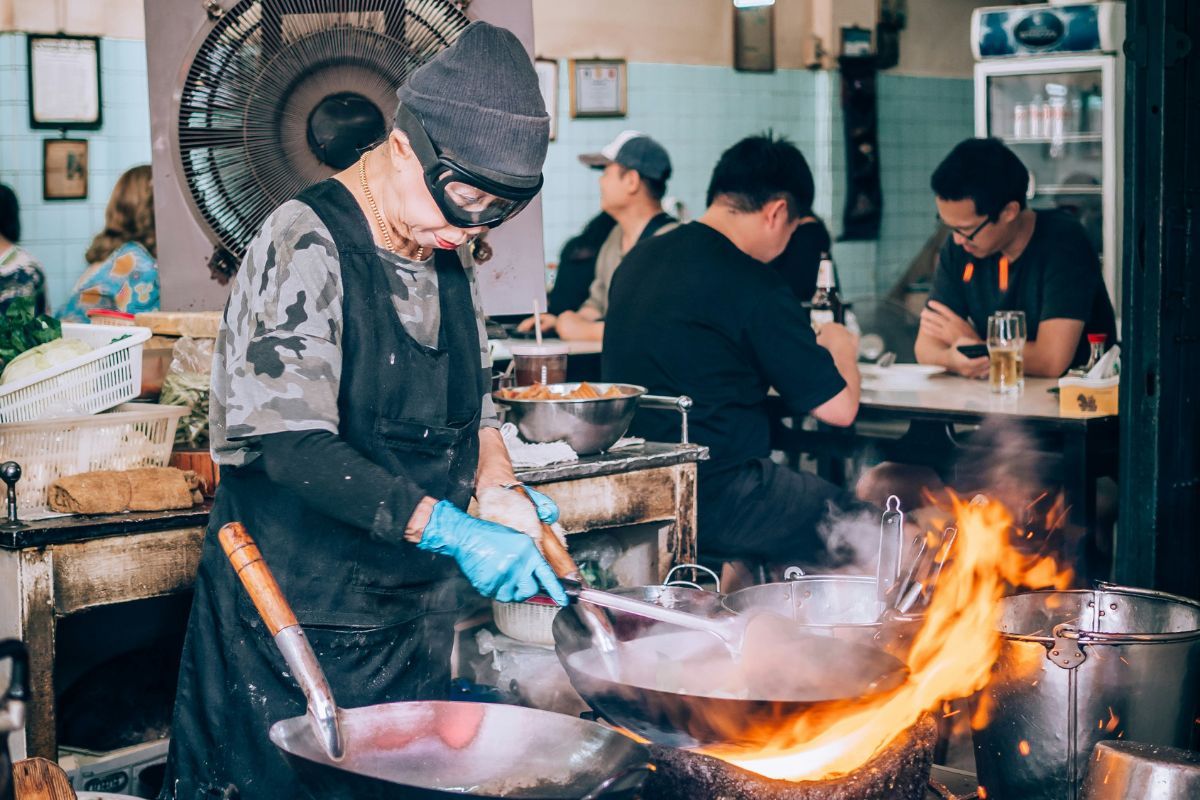
The cooking process is just as important. Pad Thai is typically cooked fresh to order in a hot wok, which creates a slightly smoky aroma known as ""wok hei.""
There are also notable variations you'll find in Bangkok:
- Shrimp oil Pad Thai
A richer, more flavorful version made with shrimp fat, popularized by famous restaurants - Egg-wrapped Pad Thai
Noodles wrapped in a thin omelette, creating a softer texture and more visual presentation - Traditional street-style Pad Thai
Simpler, faster, and often less sweet than tourist versions
The presence of shrimp oil is often what separates a ""good"" Pad Thai from a memorable one.
Types of Pad Thai You'll Find
Bangkok offers several distinct types of Pad Thai, each catering to different preferences:
- Classic street-style Pad Thai
Affordable, quick, and cooked in small roadside stalls - Restaurant-style Pad Thai
Higher quality ingredients, cleaner environment, and more consistent taste - Michelin or modern Pad Thai
Chef-driven versions with premium seafood, creative presentation, and refined flavors - Regional-style variations
Some lean less sweet and more savory, closer to traditional Thai flavors
Understanding these categories helps you decide whether you want authenticity, comfort, or a premium experience.
Average Price of Pad Thai in Bangkok
Prices vary depending on where you eat:
- Street food: around 50 to 80 THB
- Popular tourist restaurants: 100 to 200 THB
- Premium or Michelin spots: 150 to 400+ THB
Even higher-end Pad Thai remains relatively affordable compared to international standards.
Best Pad Thai Restaurants in Bangkok
Thipsamai (Legendary Pad Thai)
Thipsamai is arguably the most famous Pad Thai restaurant in Bangkok and often considered the benchmark for comparing all other versions.
Why it stands out
- Pioneer of shrimp oil Pad Thai, which adds a rich, umami depth
- Uses high-quality ingredients, including large river prawns
- Consistent flavor despite high volume
Signature dishes
- Superb Pad Thai (egg-wrapped with shrimp oil and fresh prawns)
- Classic Sen Chan Pad Thai (less sweet, more traditional)
- Fresh orange juice (unexpectedly popular pairing)
Opening hours
- Main branch: 9:00 AM - 12:00 AM (closed Tuesday)
What to expect
- Long queues, especially from 6 PM onward
- Slightly sweeter flavor profile than traditional street versions
- More ""refined street food"" than purely local
Best for
First-time visitors who want to try Bangkok's most iconic Pad Thai.
Baan Phadthai (Michelin Bib Gourmand)
Baan Phadthai offers a more comfortable and curated dining experience while still staying true to traditional flavors.
Why it stands out
- Michelin Bib Gourmand recognition for quality and value
- Focus on balanced flavors rather than heavy sweetness
- Cleaner, air-conditioned dining environment
Signature dishes
- Pad Thai with river prawns
- Crab meat Pad Thai
- Vegetarian Pad Thai options
Opening hours (typical)
- Around 11:00 AM - 10:00 PM (may vary slightly by day)
What to expect
- No chaotic queues like Thipsamai
- More controlled portions and presentation
- Slightly higher pricing, but still reasonable
Best for
Travelers who want authentic Pad Thai in a comfortable restaurant setting.
Pad Thai Fai Ta Lu (Modern Michelin Style)
Pad Thai Fai Ta Lu represents a new generation of Pad Thai, blending tradition with modern cooking techniques.
Why it stands out
- Chef-driven concept with strong focus on wok technique and ingredients
- Recognized in Michelin Guide listings
- Less sweet, more savory and smoky
Signature dishes
- Charcoal-grilled pork Pad Thai
- Premium prawn Pad Thai
- Extra smoky wok-style Pad Thai
Opening hours (typical)
- Around 11:00 AM - 9:00 PM (varies by branch)
What to expect
- Strong ""wok hei"" aroma
- More refined plating compared to street stalls
- Less tourist-heavy than Thipsamai
Best for
Food-focused travelers who want a more modern, chef-driven take.
Pad Thai Mae Am (Local Hidden Gem)
Noodles
Pad Thai Mae Am is the kind of place you'd easily miss unless you know where to look, but it delivers one of the most authentic experiences.
Why it stands out
- Very local, minimal tourist presence
- Traditional cooking style with less sugar
- Consistent quality at a low price
Signature dishes
- Classic Pad Thai with shrimp
- Simple pork or chicken Pad Thai
- No-frills, traditional versions
Opening hours (typical)
- Around afternoon to late evening (approx. 3 PM - 9 PM)
What to expect
- Small shop, limited seating
- Fast service and high turnover
- Flavor leans more savory than sweet
Best for
Travelers who want a true local version without hype.
Street Food Favorites (Local Picks)
Some of the best Pad Thai in Bangkok isn't tied to a specific restaurant name but to street stalls with strong reputations.
Lueng Pha Pad Thai
Noodles
- Known for bold flavors and strong wok heat
- Affordable and highly local
Chinatown / Yaowarat Road vendors
- Best visited at night
- Seafood-heavy Pad Thai variations
- Often paired with oyster omelette (Hoy Tod)
General street stalls
- Look for vendors cooking continuously
- High turnover ensures freshness
Opening hours
- Typically evening to late night (5 PM onwards)
What to expect
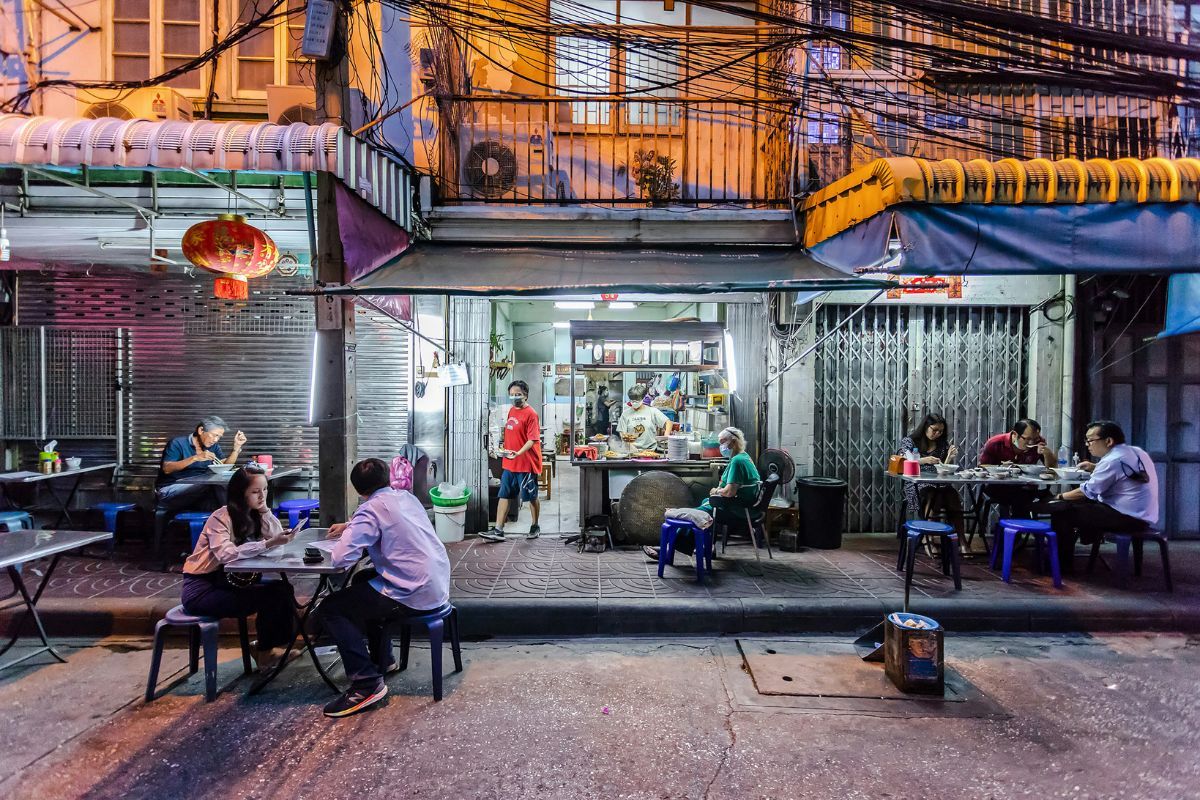
- Plastic stools, fast service, authentic flavors
- No standardization, each stall tastes different
Best for
Exploring different styles and discovering your personal favorite.
Best Areas to Eat Pad Thai in Bangkok
Choosing the right area is just as important as choosing the restaurant. Each neighborhood in Bangkok offers a different Pad Thai experience, from famous legacy spots to hidden local stalls and night market favorites.
Old Town (Rattanakosin / Phra Nakhon)
The Old Town is the most iconic area for Pad Thai in Bangkok, especially for first-time visitors.
- Home to legendary spots like Thipsamai and Pad Thai Mae Am
- High concentration of well-known vendors within a short distance
- Strong reputation for traditional and shrimp oil-style Pad Thai
What makes this area special is the combination of food and history. You can easily pair your meal with visits to major attractions like the Grand Palace or Wat Saket.
What to expect
- Longer queues, especially in the evening
- Slightly more tourist traffic
- Consistent quality due to established reputations
Best for
First-time visitors who want to try the most famous and benchmark Pad Thai in Bangkok.
Sukhumvit Area
Sukhumvit offers the most convenient and accessible Pad Thai experience.
- Wide mix of street food stalls and casual restaurants
- Easy to reach via BTS (Nana, Asok, Phrom Phong)
- Plenty of options inside malls, food courts, and side streets
This area doesn't focus on a single ""famous"" Pad Thai spot, but rather provides variety and convenience. You can find everything from quick street-style plates to more comfortable, air-conditioned dining.
What to expect
- Moderate pricing with consistent quality
- Less extreme queues compared to Old Town
- More tourist-friendly environment
Best for
Travelers staying in Sukhumvit who want good Pad Thai without going out of their way.
Chinatown (Yaowarat)
Yaowarat Road is one of the best places in Bangkok for street food-focused Pad Thai, especially at night.
- Extremely lively after sunset with hundreds of food stalls
- Strong emphasis on seafood-based Pad Thai, often with fresh prawns
- Many vendors cook directly in front of you with high heat woks
The energy here is different from other areas. Instead of well-known standalone restaurants, you'll find rows of street vendors competing for attention, which often leads to excellent quality.
What to expect
- Crowded and fast-paced environment
- Slightly more savory, less sweet flavor profiles
- Opportunity to try multiple dishes beyond Pad Thai
Best for
Food-focused travelers who want a more local, street-style experience with variety.
Chatuchak & Local Markets
Markets like Chatuchak and other local night markets offer a more everyday, local version of Pad Thai.
- Budget-friendly prices, often among the cheapest in Bangkok
- Less touristy compared to Old Town and Chinatown
- Vendors serving locals rather than focusing on tourists
Here, Pad Thai is treated as a quick, everyday meal rather than a signature dish. The flavors are often simpler but closer to what locals eat regularly.
What to expect
- Minimal seating and casual setups
- Fast service with high turnover
- Less emphasis on presentation, more on practicality
Best for
Travelers who want to explore authentic, no-frills Pad Thai at local prices.
How to Choose the Right Area
A simple way to decide where to go:
- Want famous, must-try Pad Thai? → Old Town
- Want convenience and variety? → Sukhumvit
- Want street food energy and seafood options? → Chinatown
- Want local, budget-friendly food? → Markets like Chatuchak
If time allows, the best approach is to try Pad Thai in at least two different areas to experience how much it can vary across Bangkok.
Tips for Eating Pad Thai in Bangkok
Once you've chosen your spot, how you eat Pad Thai also affects the experience.
1. Adjust the flavor to your liking
Pad Thai is designed to be customized at the table:
- Add lime for acidity
- Add chili flakes for heat
- Add crushed peanuts for texture
Start with a small amount, then adjust gradually.
2. Eat immediately after cooking
Timing is critical.
- Fresh Pad Thai has the best texture and aroma
- Noodles become soft and sticky if left too long
- The wok flavor fades quickly
The first few minutes are when the dish is at its peak.
3. Avoid stalls with pre-cooked trays
Even if the price is lower, it's rarely worth it.
- Texture becomes soggy
- Flavors are less vibrant
- Often reheated instead of freshly cooked
Fresh cooking is one of the defining qualities of great Pad Thai.
4. Don't rely on just one place
One of the biggest mistakes is trying Pad Thai only once.
- Different areas offer different styles
- Street stalls and restaurants vary significantly
- Your favorite may not be the most famous
Trying 2 to 3 different spots gives you a much better understanding of the dish.
5. Observe before ordering
Take a moment to watch the stall:
- Are locals eating there?
- Is the cooking fast and continuous?
- Does the food look freshly prepared?
A quick observation can often tell you more than reviews.
The best Pad Thai in Bangkok isn’t just about reputation. It’s about fresh cooking, strong technique, and matching the flavor to your personal taste.
Once you understand how to spot a good stall and what you prefer, finding great Pad Thai becomes much easier and far more rewarding.
If you enjoyed the street food experience, head to Yaowarat Road to discover a completely different side of Bangkok cuisine. Our guide to What to Eat at Yaowarat will help you navigate the best dishes, from seafood to late-night snacks.
For those looking to explore more curated and recognized food spots, check out Bangkok Michelin Star Street Food, where you’ll find vendors that combine local flavors with consistent, award-winning quality.
And if you want a broader overview, our Bangkok Street Food guide covers everything from must-try dishes to where to find them across different neighborhoods.
Together, these guides will help you go beyond Pad Thai and experience the full depth of Bangkok’s food culture.