Pad Kra Pao is one of the most authentic everyday dishes you can experience in Bangkok. While many travelers focus on Pad Thai, locals often turn to Kra Pao for a quick, flavorful, and satisfying meal. It may look simple, but a truly great plate depends on precise wok technique, the aroma of holy basil, and the perfect balance of chili, garlic, and sauce.
Across Bangkok, you’ll find everything from humble street stalls to Michelin-recognized eateries and modern interpretations using premium ingredients. This guide helps you discover where to find the best Kra Pao in Bangkok, understand different styles, and choose the right place based on your taste and budget.
What Is Pad Kra Pao?
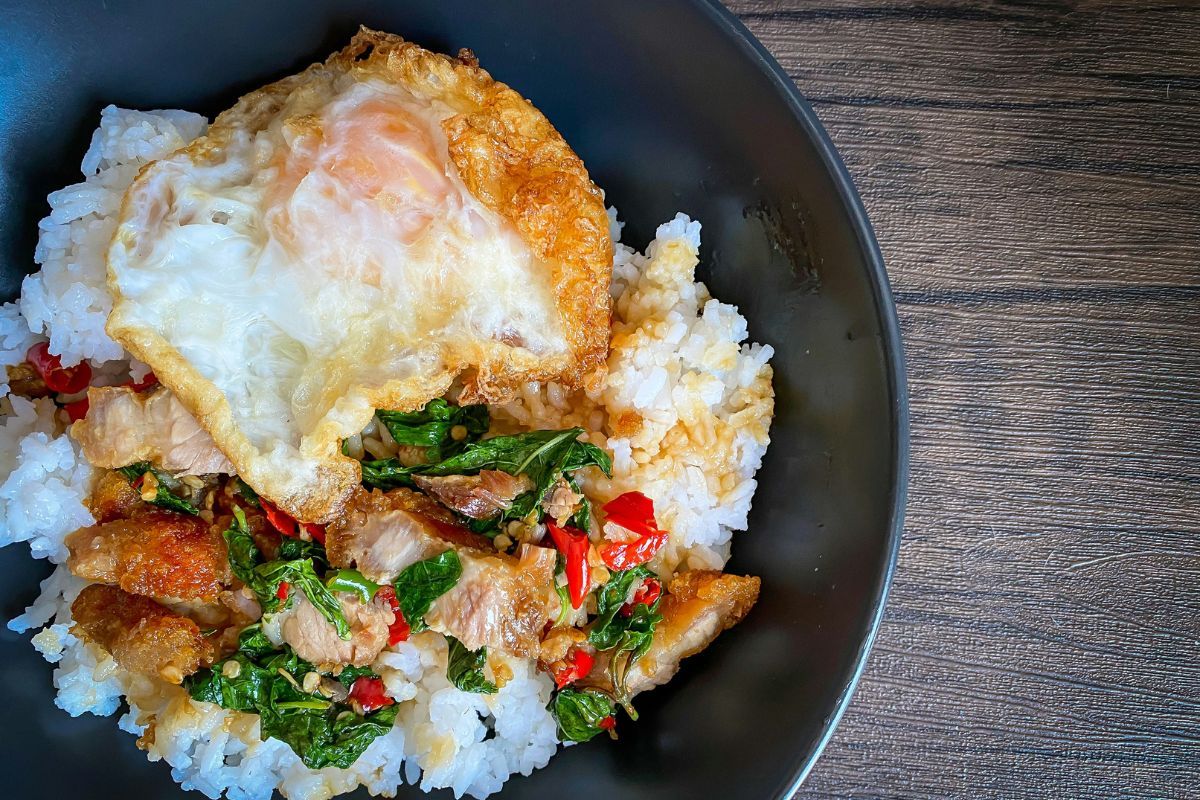
Pad Kra Pao is one of Thailand's most iconic stir-fried dishes, known for its bold flavors, aromatic herbs, and quick preparation. Despite its simplicity, it's a dish that relies heavily on technique, especially the use of high heat in a wok to create a slightly smoky aroma often referred to as ""wok hei."" When done well, Pad Kra Pao delivers a perfect balance of spicy, salty, and savory flavors, making it one of the most satisfying meals you can find in Bangkok.
Key Ingredients
Pad Kra Pao is built on a handful of core ingredients, but each plays a crucial role in shaping the final taste:
- Holy basil (kra pao): The defining ingredient of the dish, giving it a sharp, peppery aroma that sets it apart from other Thai stir-fries
- Garlic and chili: Crushed together and fried at high heat to create a fragrant, spicy base
- Fish sauce and oyster sauce: Provide deep umami flavor, with a slightly salty and savory profile
- Meat options: Most commonly minced pork or chicken, but also available with beef, seafood, or crispy pork for richer variations
- Fried egg (kai dao): Typically served on top with crispy edges and a runny yolk that blends into the rice
What makes Pad Kra Pao special is not just the ingredients, but how quickly and skillfully they are cooked together, resulting in a dish that's intensely flavorful without being overly complicated.
Why Kra Pao Is So Popular in Thailand
Pad Kra Pao is often considered Thailand's ultimate everyday comfort food, and for good reason:
- Fast and convenient: It's one of the quickest Thai dishes to prepare, making it a staple for busy locals
- Affordable and accessible: Available everywhere from small street stalls to restaurants, usually at a very reasonable price
- Bold and satisfying flavors: The combination of chili heat, savory sauces, and fragrant basil makes it highly addictive
- Highly customizable: You can adjust spice levels, choose different proteins, or add toppings like extra egg
Because of this, Pad Kra Pao is a daily go-to meal for many people in Thailand. You'll see it served across Bangkok at all hours, from roadside vendors and office lunch spots to modern eateries, each offering their own slightly different take on this classic dish.
Different Styles of Kra Pao
Not all Pad Kra Pao tastes the same. While the core ingredients remain similar, the cooking technique, sauce balance, and choice of protein can completely change the flavor and texture. Understanding these variations will help you choose a version that matches your taste preferences.
1. Dry-style (ผัดกะเพราแห้ง)
This is considered the most traditional and authentic version. Cooked over very high heat, the sauce is reduced until it lightly coats the meat, creating a slightly dry texture with crispy edges. The flavor is intense, spicy, and smoky, with a strong aroma from the holy basil. This style is popular among locals who prefer bold, punchy flavors.
2. Saucy-style (ผัดกะเพราน้ำ)
This version includes more sauce or gravy, making it less intense and easier to eat, especially for first-time visitors. The added moisture softens the spice level slightly and blends well with rice. It's commonly found in casual eateries and is a good entry point if you're not used to very spicy food.
3. Crispy pork Kra Pao (หมูกรอบผัดกะเพรา)
A richer, more indulgent variation using crispy pork belly. The combination of crunchy skin, tender meat, and spicy basil sauce creates a satisfying contrast in texture. It's heavier than the standard version but extremely popular for its bold flavor.
4. Seafood Kra Pao
Often made with prawns, squid, or a mix of seafood, this version is lighter but still packed with flavor. It tends to be slightly more expensive and is commonly found in coastal areas or seafood-focused restaurants. The natural sweetness of seafood pairs well with the spicy and savory sauce.
5. Premium Kra Pao
A modern take on the dish, often served in trendy restaurants. It may use wagyu beef, large river prawns, or organic ingredients. While more expensive, these versions focus on ingredient quality and refined presentation, offering a different experience from traditional street food.
Average Price of Kra Pao in Bangkok
Pad Kra Pao is one of the most affordable and accessible meals in Bangkok, but prices can vary depending on where you eat and the ingredients used.
- Street food stalls: 50-80 THB
The most budget-friendly option, often offering some of the most authentic flavors. Portions are simple but satisfying, and the quick cooking style ensures freshness. - Local restaurants and casual eateries: 80-150 THB
Slightly higher prices but with more comfortable seating, consistent quality, and sometimes more variety in menu options. - Premium or specialty versions: 150-400+ THB
Found in modern restaurants or well-known spots, these versions may use higher-quality meats, larger portions, or unique presentations.
Compared to dishes like Pad Thai, Kra Pao is typically cheaper while delivering equally bold and satisfying flavors. This balance of affordability and taste is one of the reasons it remains a daily favorite for locals and a must-try for visitors.
Best Kra Pao Restaurants in Bangkok
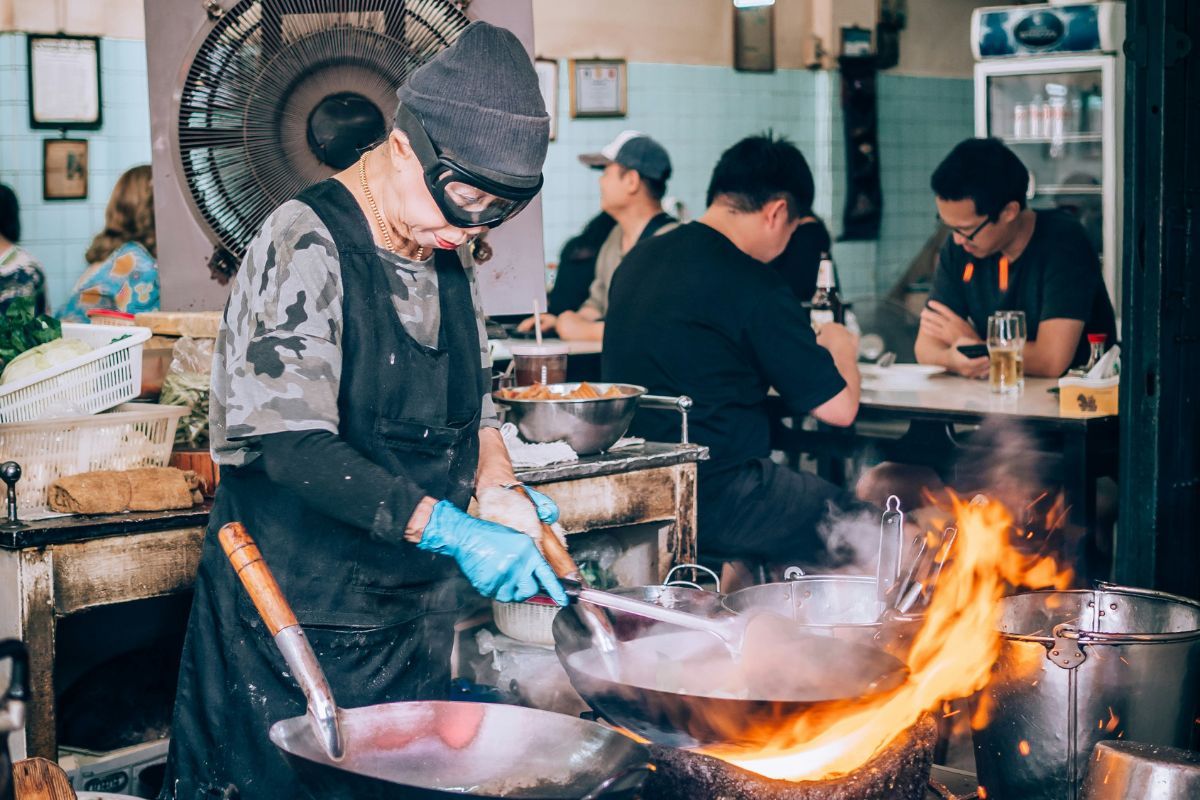
Bangkok is filled with places serving Pad Kra Pao, but a few stand out for their consistency, technique, and unique take on this everyday dish. From Michelin-recognized spots to humble street stalls, each offers a slightly different experience.
1. Phed Mark (Ekkamai)
- Opening hours: Daily 10:30 AM - 8:00 PM
Phed Mark is widely considered one of the most famous Kra Pao restaurants in Bangkok, especially among younger locals and food enthusiasts. Located in Ekkamai, this spot has built its reputation around bold flavors and precise wok cooking.
What makes Phed Mark stand out is its customizable spice levels, ranging from mild to extremely spicy, allowing diners to tailor the dish to their tolerance. The Kra Pao here leans toward a dry-style stir-fry, with strong wok aroma and intense seasoning that highlights the basil and chili.
The restaurant has received Michelin Bib Gourmand recognition, which reflects its high quality at reasonable prices. Due to its popularity, queues are common during lunch and dinner hours, but turnover is relatively fast.
This is a must-visit if you want a modern, well-executed version of Kra Pao that still stays true to its roots.
2. Kra Pao Talu (Pad Kra Pao Specialist)
- Opening hours: Daily 10:00 AM - 9:00 PM
Kra Pao Talu is a specialty restaurant that focuses almost entirely on Pad Kra Pao, making it a great place to explore the dish in depth. Unlike general Thai restaurants, the menu here is centered around different variations of Kra Pao, showcasing how technique and ingredients can influence the final result.
The key highlight is the strong wok aroma and slightly crispy texture, achieved through high-heat cooking. The flavors are bold but balanced, with a clear emphasis on authenticity rather than adapting to tourist tastes.
It's particularly popular among locals who appreciate traditional flavors, and the consistency here is one of its biggest strengths. Portions are generous, and the overall experience feels focused and intentional.
If you want to understand how a simple dish can be elevated through technique alone, Kra Pao Talu is a great choice.
3. Jay Oh (Local Street-Style Favorite)
- Opening hours: Daily 5:00 PM - 12:00 AM
Jay Oh represents a more casual, street-style approach to Kra Pao, offering strong, no-frills flavors that reflect how locals typically eat. The setting is simple, with basic seating and a busy, lively atmosphere, especially in the evening.
The Kra Pao here is known for its intense seasoning and generous portions, often leaning toward a slightly saucier style that pairs well with rice. Prices are affordable, making it a popular choice for both locals and budget-conscious travelers.
Even though it doesn't have the polish of modern restaurants, the focus here is purely on flavor. The high turnover ensures food is freshly cooked, and the evening hours make it a great stop for dinner or late-night eating.
If you're looking for an authentic, everyday version of Kra Pao, this is a solid option.
4. Polo Fried Chicken (Hidden Kra Pao Gem)
- Opening hours: Daily 7:00 AM - 10:00 PM
While Polo Fried Chicken is best known for its crispy fried chicken, its Pad Kra Pao is often overlooked and surprisingly good. This spot has a more local feel and is less crowded with tourists compared to more famous restaurants.
The Kra Pao here is well-balanced and consistent, with a slightly milder spice level that appeals to a wider range of diners. Portions are generous, and the overall quality is reliable, making it a great option for a casual meal.
Because it's not primarily known for Kra Pao, you'll often find fewer crowds, which adds to the relaxed dining experience. It's a good place to explore if you want something dependable without the long queues.
5. Street Food Kra Pao Stalls (Across Bangkok)
- Opening hours: Typically 10:00 AM - late night (varies by location)
Some of the best Pad Kra Pao in Bangkok isn't found in restaurants, but in small, busy street stalls scattered across the city. Areas like Sukhumvit, Silom, and Yaowarat are filled with vendors cooking Kra Pao fresh to order over high heat.
These stalls often deliver the most authentic and intense flavors, thanks to quick cooking, simple ingredients, and high turnover. The dishes are usually prepared in seconds, resulting in a smoky, fragrant plate that captures the essence of Thai street food.
When choosing a stall, look for:
- Long queues
- Locals eating there
- Food cooked fresh in front of you
Many locals believe that the best Kra Pao comes from these humble setups, where the focus is entirely on speed, heat, and flavor rather than presentation.
Best Areas to Eat Kra Pao in Bangkok
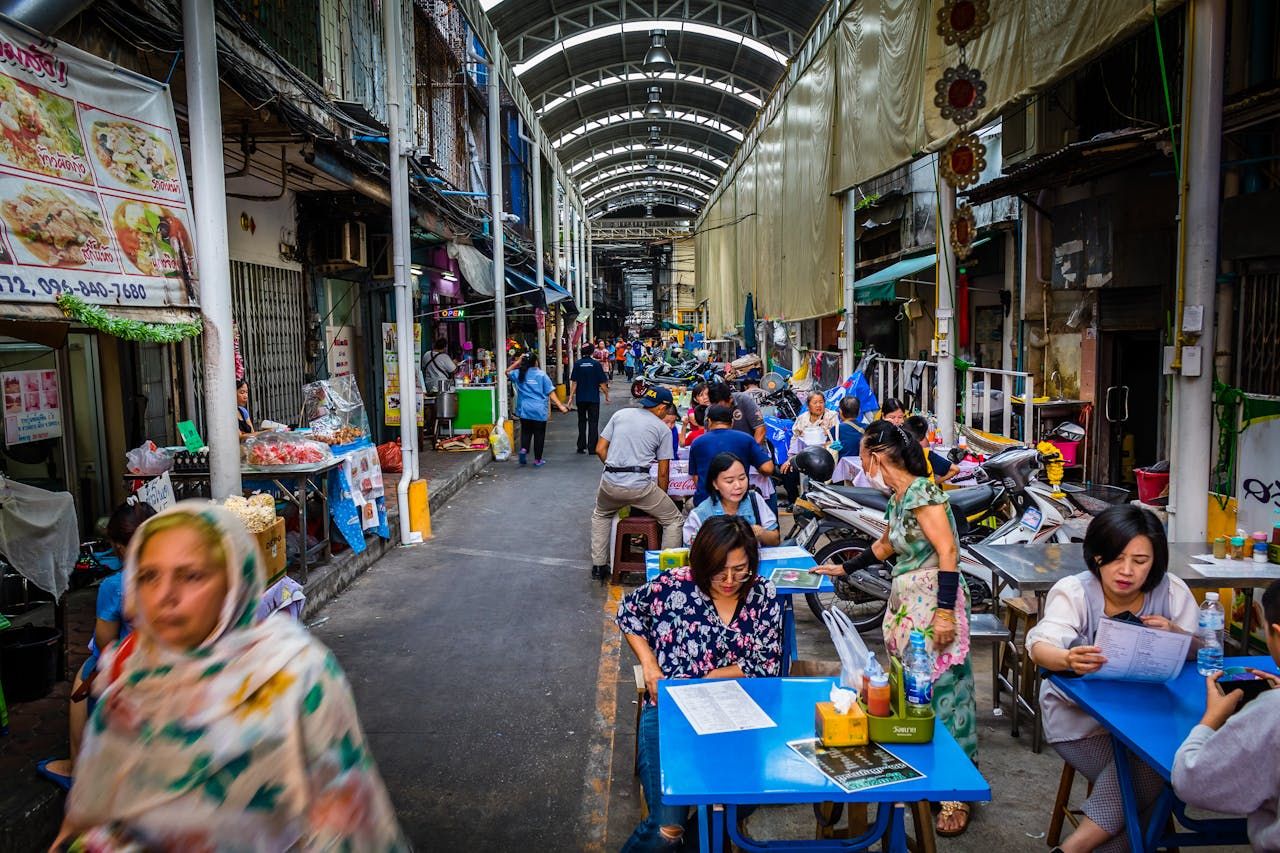
While Pad Kra Pao is available almost everywhere in Bangkok, certain neighborhoods stand out for their concentration of quality spots, cooking styles, and overall dining experience. Choosing the right area can make a big difference depending on whether you're looking for trendy restaurants, authentic street food, or late-night options.
Sukhumvit (Ekkamai / Thonglor)
Sukhumvit, particularly the Ekkamai and Thonglor areas, is one of the best places to explore modern and well-executed versions of Kra Pao. This area is known for its mix of trendy dining spots, cafés, and local eateries, attracting both locals and expats.
You'll find some of Bangkok's most talked-about Kra Pao restaurants here, including places like Phed Mark, which focus on high-quality ingredients and refined cooking techniques. Compared to other areas, the Kra Pao in Sukhumvit often leans toward a more polished and customizable experience, with options for spice levels, premium meats, and comfortable dining environments.
At the same time, small local shops are still scattered throughout the area, offering more traditional flavors at slightly lower prices. This combination makes Sukhumvit a great starting point if you want variety and convenience without sacrificing quality.
Silom (Local Lunch Hub)
Silom is one of Bangkok's busiest business districts, and during lunchtime, the area transforms into a food hotspot filled with office workers looking for quick, satisfying meals. This high demand creates intense competition among vendors, which often results in consistently good Kra Pao at affordable prices.
The key advantage of eating in Silom is the high turnover rate. Dishes are cooked continuously throughout the day, ensuring freshness and strong wok flavor. Many stalls specialize in just a few dishes, allowing them to perfect their technique and deliver reliable quality.
Most Kra Pao here is straightforward and traditional, focusing on bold seasoning rather than presentation. It's an ideal area if you want to experience how locals actually eat on a daily basis, especially during weekday lunch hours.
Old Town (Phra Nakhon)
Bangkok's Old Town, particularly around Phra Nakhon, offers a more traditional and laid-back food experience. This area is home to long-established local eateries and small family-run shops that have been serving classic Thai dishes for years.
Kra Pao in this part of the city tends to be simple, authentic, and budget-friendly, often prepared using time-tested recipes. The atmosphere is less commercial and more reflective of Bangkok's older neighborhoods, making it a great place to slow down and enjoy a more local dining experience.
Because it's close to major attractions, you can easily combine sightseeing with food exploration. It's especially suitable for travelers who want to experience traditional Thai flavors without the higher prices found in more modern districts.
Chinatown (Yaowarat)
Chinatown, or Yaowarat, is one of the best places in Bangkok for late-night food, and Kra Pao is no exception. As the sun sets, the streets fill with food vendors, creating a lively and energetic atmosphere that draws both locals and visitors.
What makes Yaowarat unique is its variety of ingredients and cooking styles, particularly when it comes to seafood. Here, you'll find Kra Pao made with prawns, squid, or mixed seafood, often cooked over high heat with strong, smoky flavors.
The experience is fast-paced and vibrant, with dishes prepared quickly in front of you. Seating can be limited, but the quality and freshness of the food make it worthwhile. If you're looking for a more dynamic and slightly different take on Kra Pao, especially in the evening, Chinatown is one of the best areas to explore.
How to Choose the Best Kra Pao
With so many variations available across Bangkok, choosing the right Pad Kra Pao can make a big difference in your experience. The dish may look simple, but small changes in spice level, protein, and cooking style can completely alter its flavor and intensity. Here's how to decide what suits you best.
Based on Spice Level
Spice is one of the defining characteristics of Kra Pao, but not every version is equally intense.
- Mild (Tourist-friendly)
This version is usually toned down with fewer chilies and a slightly sweeter balance. It's ideal if you're not used to Thai spice or want to ease into local flavors. Many modern restaurants and tourist-friendly spots offer this option. - Medium (Balanced flavor)
A good middle ground where you still get the heat and aroma of chili and basil without it being overwhelming. This level allows you to fully appreciate the dish's complexity while remaining comfortable for most diners. - Spicy (Authentic local style)
This is how many locals prefer their Kra Pao. It's intensely spicy, often with a sharp chili kick that builds quickly. The heat enhances the aroma of holy basil and the depth of the sauce, but it can be challenging if you're not used to spicy food. If you want a true local experience, this is the level to try.
Based on Meat Type
The choice of protein affects not only the flavor but also the richness and texture of the dish.
- Pork (most common choice)
Typically made with minced pork, this is the classic version. It's flavorful, slightly fatty, and absorbs the sauce well, making it the most balanced and widely available option. - Chicken (lighter alternative)
A leaner option that results in a slightly lighter and less oily dish. It's a good choice if you prefer something less rich but still want the full Kra Pao flavor. - Crispy pork (rich and indulgent)
Made with deep-fried pork belly, this version adds a crunchy texture and a richer taste. It's more filling and heavier, often considered a treat rather than an everyday meal. - Seafood (premium option)
Includes ingredients like prawns or squid, offering a slightly sweeter and more delicate flavor. This version is usually more expensive and often found in areas like Chinatown or seafood-focused restaurants.
Based on Cooking Style
The cooking style plays a major role in the final texture and intensity of the dish.
- Dry wok-fried (authentic style)
Cooked over high heat with minimal sauce, this version has a slightly dry texture with crispy edges and a strong smoky aroma. It's considered the most traditional and delivers the most intense flavor. - Saucy style (easier to eat)
Includes more sauce or gravy, making it softer and easier to mix with rice. The flavor is slightly milder and more approachable, which makes it a popular choice for first-time visitors.
Tips for Eating Kra Pao in Bangkok
To fully enjoy Pad Kra Pao like a local, a few small details can make a big difference:
- Always order it with a fried egg (kai dao)
The crispy edges and runny yolk add richness and balance out the spice. It's considered an essential part of the dish. - Mix the egg yolk into the rice
Breaking the yolk and mixing it with the rice and meat creates a smoother, more flavorful bite and helps mellow the heat. - Adjust the flavor to your liking
Many places provide condiments like fish sauce, chili flakes, sugar, or vinegar. You can tweak the balance to suit your taste preferences. - Eat it immediately while hot
Kra Pao is best enjoyed fresh off the wok. The texture, aroma, and flavor are at their peak right after cooking, especially for dry-style versions. - Pair it with a cold drink
A simple iced tea or cold water helps balance the spice and makes the meal more enjoyable, especially on hot Bangkok days.
By understanding these choices and tips, you can confidently explore different versions of Kra Pao and find the one that suits your taste best while experiencing it the way locals do.
If you want to explore more of Bangkok’s food scene after trying Kra Pao, the city offers endless options from Bangkok street food markets to Bangkok Michelin-recognized vendors, making it one of the best destinations in Asia for food lovers.