Few cities in the world are as closely associated with street food as Bangkok, and even fewer have street vendors recognized by the Michelin Guide. In Bangkok, world-class food is not confined to fine-dining rooms. Some of the city’s most celebrated dishes are cooked over charcoal fires, served from humble carts, or prepared in decades-old shophouses with plastic stools and handwritten menus.
When people talk about “Michelin star street food” in Bangkok, they are usually referring to two types of recognition: actual Michelin-starred street food vendors and the far more common Michelin Bib Gourmand listings. Both signal quality, but they serve slightly different purposes, and understanding this difference helps set realistic expectations.
This guide focuses on street stalls, shophouses, and casual eateries, not fine dining. It is organized to help you understand Michelin recognition first, then explore famous dishes, neighborhoods, practical eating tips, and whether Michelin street food is really worth prioritizing during your trip.
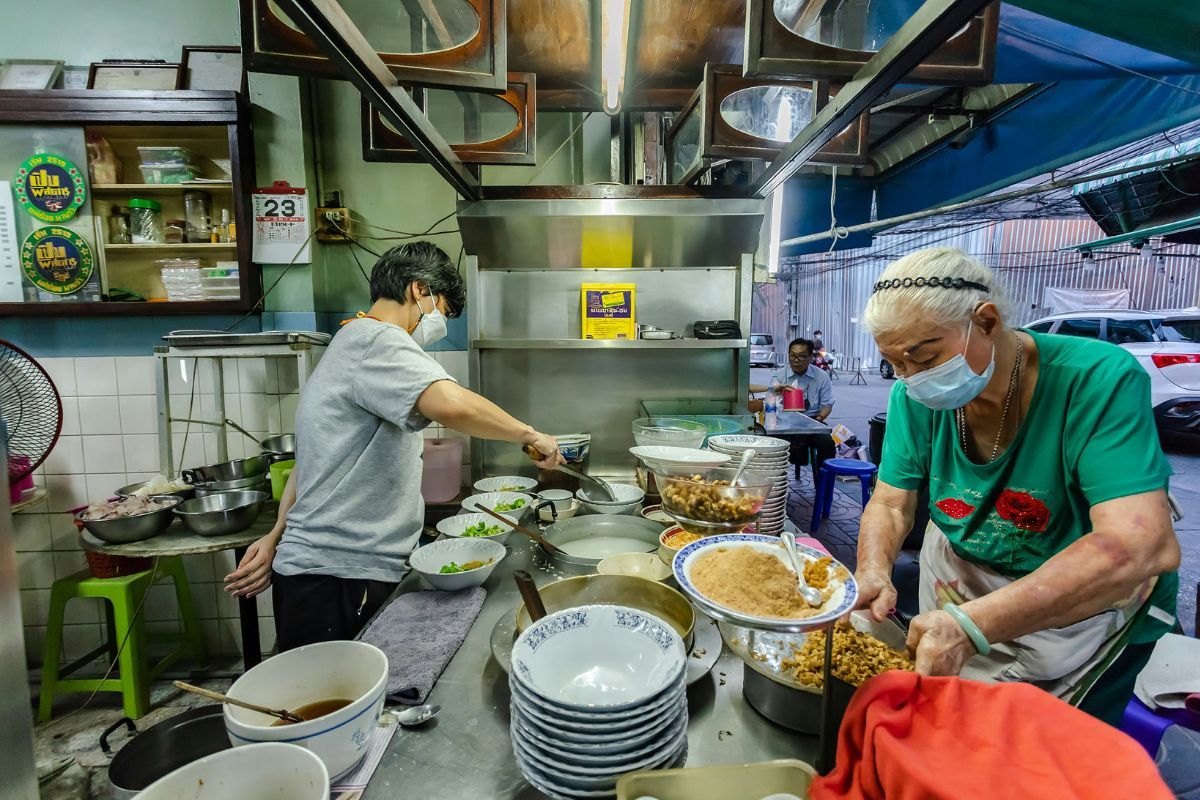
What is Michelin Street Food in Bangkok?
Bangkok is one of the few cities in the world where street food is taken seriously by the Michelin Guide. Here, inspectors do not treat street stalls as a novelty or a separate category. Instead, they evaluate them using the same core standards applied to restaurants. This approach reflects Bangkok’s unique food culture, where exceptional cooking often happens outside formal dining rooms.
Thailand’s culinary landscape is shaped by strong regional traditions, family recipes passed down for generations, and daily repetition of the same dish until it is perfected. In this environment, a single noodle soup, stir-fry, or rice dish can reach a level of quality and consistency that rivals restaurant cooking. That is why Bangkok’s street food scene fits naturally into Michelin’s evaluation system.
Michelin Star vs Bib Gourmand
The Michelin Guide uses two main forms of recognition for street food in Bangkok:
- Michelin Stars are awarded for exceptional cooking that is considered worth a special journey. When a street food stall receives a star, it usually means one specific dish is executed at an extraordinary level, with remarkable consistency and depth of flavor.
- Bib Gourmand is awarded to places that serve very good food at good value. This category is especially important in Bangkok, where affordability and quality go hand in hand.
In practice, most of Bangkok’s well-known street food stalls fall under Bib Gourmand rather than holding a Michelin star. This is not a downgrade. Instead, it reflects how street food is meant to be enjoyed in the city: casually, regularly, and without the expectations of formal dining.
Why Bib Gourmand Dominates Bangkok Street Food
Street food in Bangkok is designed around speed, repetition, and accessibility. Many vendors focus on a single dish or a small menu, cooking it hundreds of times a day. While this repetition builds mastery, it also comes with challenges that make Michelin stars harder to maintain.
Michelin stars require an extremely high level of consistency over time, which can be difficult for small stalls affected by weather, ingredient availability, and limited operating hours. Bib Gourmand better matches the reality of Bangkok street food, where flavor, value, and local popularity matter more than perfection in every service detail.
For travelers, Bib Gourmand stalls often provide the most rewarding experience. They offer dishes that locals genuinely eat, at prices that feel fair, in environments that reflect everyday Bangkok rather than a staged food experience.
How Michelin Evaluates Street Food in Bangkok
When Michelin inspectors assess street food in Bangkok, they focus almost entirely on what is on the plate. Key evaluation points include:
- Ingredient quality: Freshness, sourcing, and suitability for the dish
- Cooking technique: Control of heat, timing, and preparation
- Flavor balance: Harmony between salty, sweet, sour, spicy, and umami elements
- Consistency over time: The ability to deliver the same quality repeatedly
- Personality of the food: A clear identity that reflects the cook’s style or tradition
Elements such as seating comfort, air conditioning, décor, or service style do not influence the rating. This is why stalls with plastic stools, paper plates, and open kitchens can still earn Michelin recognition if the food meets the standard.
Common Misconceptions About Michelin Street Food
Several misunderstandings often confuse travelers:
- Michelin street food is not fine dining and should not be approached with luxury expectations
- A Michelin listing does not automatically mean high prices
- Bib Gourmand recognition is often more relevant than a star for street food experiences
- Long queues reflect popularity, not formality
Understanding these points helps you approach Michelin street food with the right mindset. Rather than chasing prestige, the real value lies in experiencing Bangkok’s food culture at its most authentic, where exceptional cooking is part of everyday life.
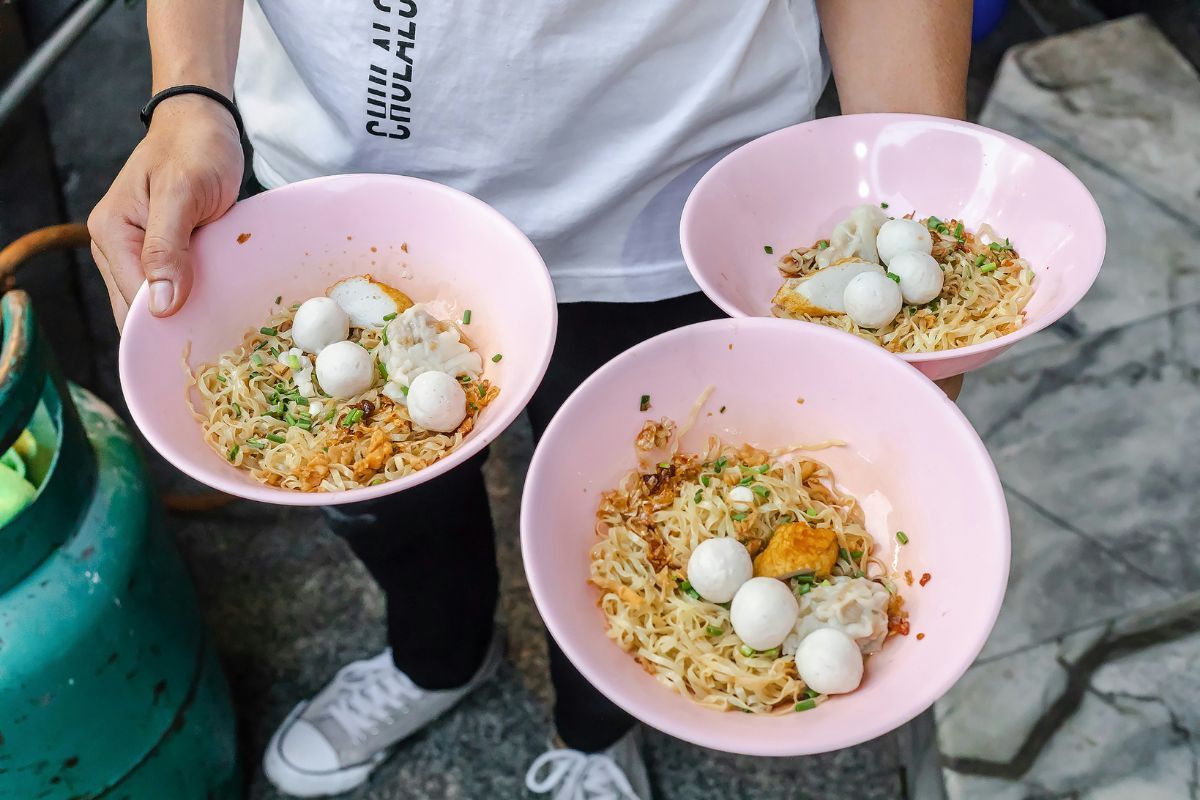
Famous Michelin-Recognized Street Food Dishes in Bangkok
When exploring Michelin-recognized street food in Bangkok, focusing on dishes rather than restaurant names gives a clearer picture of what the Michelin Guide actually values. Many of these stalls have built their reputation on perfecting a single dish over decades, relying on technique and repetition rather than creativity or presentation. The dishes below represent the types of street food that consistently earn Michelin attention.
Stir-Fried Dishes
Stir-fried dishes are among the most technically demanding forms of Bangkok street food. At first glance they may look simple, but execution leaves little room for error.
These dishes rely on:
Intense, high heat that must be controlled precisely
Split-second timing to avoid overcooking
Exact seasoning, often added in a strict order
Many Michelin-recognized stir-fries are cooked over charcoal rather than gas, producing a distinct smoky aroma known locally as wok hei. Ingredient lists are usually short, sometimes just noodles, protein, garlic, and sauce, which makes flaws immediately noticeable. The difficulty lies in repeating the same result hundreds of times a day, which is why consistency earns Michelin recognition here.
Noodle Specialties
Noodles form the backbone of Bangkok's street food culture, and Michelin recognition often highlights vendors who specialize in a single noodle dish.
What sets these noodles apart:
Recipes refined over generations rather than reinvented
Broths simmered for hours to build depth and clarity
Careful balancing of sweet, salty, sour, and umami flavors
Each noodle stall often focuses on one specific style, such as dry noodles, soup noodles, or thick broths, with minimal variation. Michelin recognition reflects mastery of this narrow focus. Rather than innovation, inspectors reward the ability to deliver the same flavor and texture day after day, often from early morning until the pot runs dry.
Seafood-Focused Street Food
Seafood plays a special role in Bangkok's Michelin street food scene. Access to fresh seafood allows vendors to keep preparations simple and precise.
Typical characteristics include:
Crab, shrimp, and shellfish cooked to exact doneness
Minimal seasoning to highlight natural sweetness
Fast cooking methods to preserve texture
Prices at seafood-focused stalls are usually higher than average street food, but still far below restaurant pricing. Michelin recognition here often reflects restraint rather than complexity, knowing when to stop cooking, when to season lightly, and when to let the ingredient speak for itself.
Traditional Thai Comfort Dishes
Some of the most quietly celebrated Michelin street food dishes are everyday comfort foods that locals eat regularly.
These often include:
Slow-cooked meats simmered until tender
Rice-based meals designed to be filling and affordable
Recipes closely tied to specific families or regions
These dishes may not look dramatic, but they carry deep cultural meaning. Michelin recognition in this category often rewards preservation of tradition rather than modern presentation. The value lies in continuity, using the same methods, flavors, and rhythms that have defined Bangkok's food culture for generations.
Michelin Street Food vs Regular Street Food
Michelin recognition in Bangkok is a useful guide, but it does not automatically mean the food is better than what you find at non-Michelin stalls. Instead, it highlights a specific strength: reliability.
Michelin-recognized street food stalls tend to excel at consistency. The same dish tastes the same day after day, even under pressure from crowds and long queues. For travelers with limited time or those trying a dish for the first time, this reliability can be reassuring. You know what you are getting, and you know it has been evaluated carefully.
That said, Bangkok's food culture is far bigger than the Michelin Guide. Many local, non-Michelin stalls are just as delicious, sometimes even more memorable. These places may change slightly from day to day depending on ingredients or the cook's hand, but that spontaneity is part of their charm. Locals often follow instinct, word of mouth, or habit rather than awards.
Michelin recognition matters most when:
You want a dependable introduction to a classic dish
You have limited time and do not want to gamble on quality
You are curious about what inspectors consider exemplary
Non-Michelin street food shines when:
You enjoy wandering and discovering places organically
You follow crowds of locals rather than lists
You are open to surprises and variations
The most rewarding approach is not choosing one over the other, but mixing both. Use Michelin-recognized stalls as anchors, then fill the rest of your meals with spontaneous finds. This balance reflects how Bangkok itself eats and avoids turning food into a checklist.
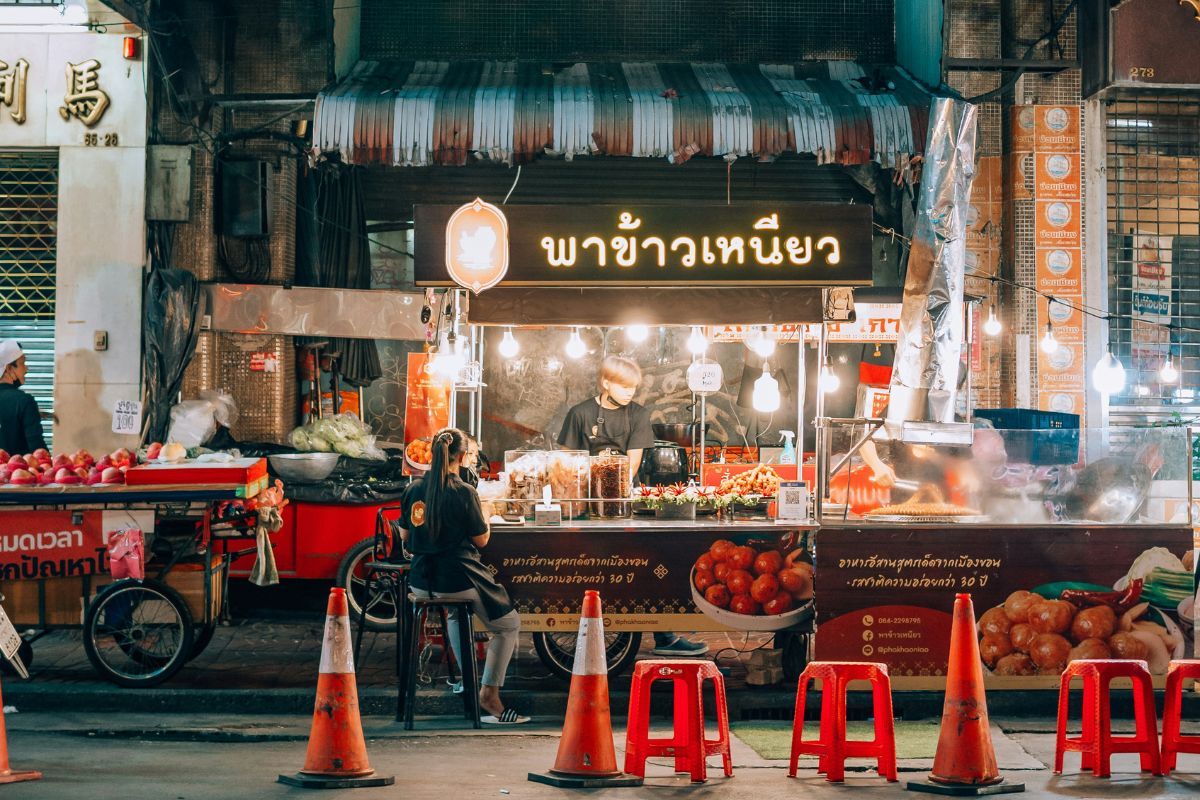
Michelin-Recognized Street Food by Area
Bangkok's Michelin-recognized street food is not concentrated in one zone. Instead, it is spread across neighborhoods that reflect different eras, communities, and eating habits. Understanding where to eat is just as important as knowing what to eat, because timing, atmosphere, and dish availability vary greatly by area.
Old Town / Rattanakosin
Why it stands out:
Old Town is where Bangkok's food culture intersects with history. Many vendors here have been operating for decades, serving dishes rooted in royal-era and everyday Thai cooking. The area's proximity to temples, government buildings, and traditional neighborhoods has preserved cooking styles that prioritize balance, technique, and familiarity over trendiness.
Typical Michelin-recognized dishes:
Classic Thai comfort food centered on rice and slow-cooked meats
Traditional noodle soups with clear or herbal broths
Simple stir-fried dishes cooked to order with minimal embellishment
These dishes often follow old recipes with little variation, which is exactly what Michelin tends to reward in this area.
Best time to visit:
Morning to early afternoon. Many Old Town stalls start early and sell out by lunchtime, especially those popular with locals. Visiting early also pairs well with temple sightseeing before the heat peaks.
Chinatown (Yaowarat)
Why it stands out:
Yaowarat is one of Bangkok's most dynamic food districts, especially after dark. The area's Chinese-Thai heritage has produced a dense concentration of street food vendors specializing in high-heat cooking, seafood, and noodle-based dishes. Michelin recognition here reflects both technical skill and the ability to handle high customer volume without sacrificing quality.
Typical Michelin-recognized dishes:
Seafood street food such as crab, shrimp, and shellfish
Stir-fried noodles and Chinese-Thai hybrid dishes
Broth-based noodle specialties with rich, layered flavors
Many stalls focus on evening service, and some only operate at night, reinforcing Chinatown's reputation as Bangkok's after-dark food destination.
Best time to visit:
Evening to late night. The area truly comes alive after sunset, with peak energy between early dinner and midnight. Expect queues, especially on weekends.
Sukhumvit
Why it stands out:
Sukhumvit represents a more modern side of Bangkok street food. Alongside old-school vendors, you will find shophouse eateries that have adapted traditional recipes for a slightly broader audience while maintaining consistency. Michelin recognition here often reflects reliability and execution rather than spectacle.
Typical Michelin-recognized dishes:
Comfort dishes served in casual shophouse settings
Well-executed single-dish menus with strong repeatability
Thai classics prepared for quick lunch or early dinner crowds
This area appeals to travelers who want Michelin-recognized food without navigating older, more chaotic neighborhoods.
Best time to visit:
Lunch or early dinner. Many stalls cater to office workers and residents, meaning peak quality is often during standard meal times rather than late at night.
Bangrak & Silom
Why it stands out:
Bangrak and Silom are long-established food neighborhoods shaped by office culture and daily routines. Vendors here depend on repeat local customers, which drives consistency and value, two factors Michelin often highlights in Bib Gourmand listings.
Typical Michelin-recognized dishes:
Roast meats served over rice
Rice-based meals designed for quick, satisfying lunches
Traditional dishes prepared efficiently without shortcuts
The food here is practical, flavorful, and rooted in everyday eating rather than destination dining.
Best time to visit:
Weekday lunch hours. This is when stalls are busiest and food turnover is highest, ensuring freshness and full menu availability. Weekends can be quieter, with some stalls closed.
How to Use Area-Based Planning
Match food stops to sightseeing nearby to reduce travel time
Visit Old Town stalls early, Chinatown stalls late
Expect different atmospheres depending on time of day
Accept that some Michelin-recognized stalls may close once ingredients run out
Exploring Michelin-recognized street food by area helps travelers eat smarter, not harder. Instead of chasing names across the city, this approach allows you to experience Bangkok's food culture as it naturally unfolds throughout the day.
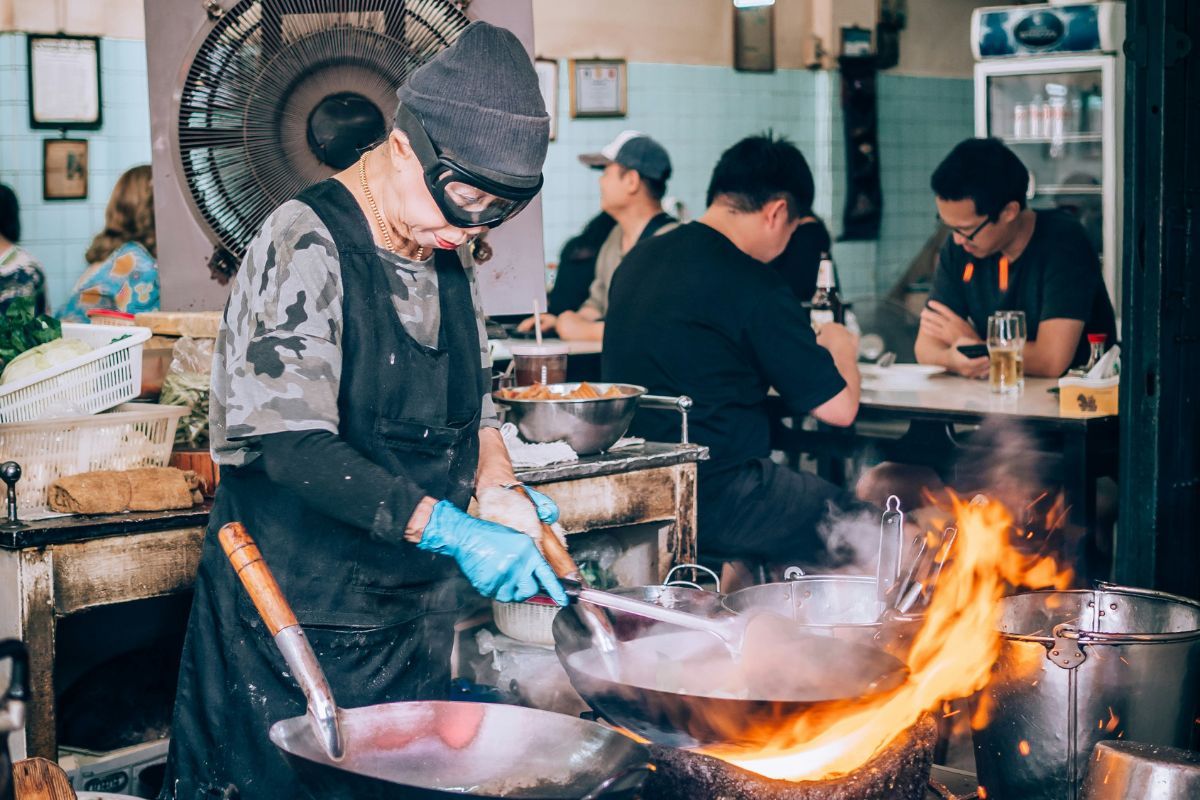
7 Michelin-Recognized Street Food Stalls in Bangkok
Below is a practical, dish-focused guide to Bangkok's Michelin-recognized street food stalls. Instead of browsing menus on the spot, these are the dishes most closely associated with each stall and the reason Michelin recognition matters there.
1. Jay Fai
Recommended dishes:
Crab Omelette (Khai Jiao Pu) – The signature dish and main reason for global fame. Large chunks of sweet crab meat wrapped in a fluffy omelette, cooked over high heat with intense wok flavor.
Drunken Noodles with Seafood – Thick noodles stir-fried with crab, shrimp, and squid, known for smoky aroma and rich seasoning.
Tom Yum Seafood – Deeply flavored and bold, with generous seafood portions rather than broth-heavy balance.
Why it stands out:
Jay Fai's cooking is about precision under pressure. Every dish is cooked personally, and the Michelin star reflects technical mastery rather than comfort or presentation.
2. K. Panich
Recommended dishes:
Mango Sticky Rice – Perfectly ripe mango paired with soft, fragrant sticky rice and rich coconut cream.
Sticky Rice with Coconut Cream (no mango) – Popular outside mango season, showing the quality of the rice itself.
Why it stands out:
Michelin Bib Gourmand recognition here rewards ingredient quality and consistency. This is a textbook example of how a simple Thai dessert earns recognition through repetition and restraint.
3. Boonlert Egg noodle
Recommended dishes:
Thai Savory Rice Dishes – Everyday comfort meals built around rice, meat, and balanced seasoning.
Stir-Fried Thai Classics – Familiar flavors cooked cleanly without heavy sauces.
Why it stands out:
Bunloet represents heritage cooking. The Bib Gourmand listing highlights reliability and local trust rather than standout presentation or novelty.
4. Tang Sui Heng
Recommended dishes:
Thai Comfort Dishes – Balanced, home-style flavors suitable for repeat eating.
Stir-Fried and Rice-Based Plates – Focused on consistency rather than experimentation.
Why it stands out:
Michelin listing reflects dependable quality in a neighborhood food street popular with locals. This is the kind of stall that earns recognition by feeding people well every day.
5. [Somsak Pu Ob](Somsak Pu Ob)
Recommended dishes:
Crab with Glass Noodles (Pu Ob Woon Sen) – The signature dish, combining rich crab flavor with aromatic noodles and well-controlled seasoning.
Seafood Clay Pot Dishes – Known for proper doneness and depth without overpowering sauces.
Why it stands out:
Michelin Bib Gourmand recognition highlights seafood handling skills. Prices are higher than average street food, but quality and portion size justify the cost.
6. Charoen Saeng Silom
Recommended dishes:
Roast Pork over Rice – Crisp-edged pork with fragrant rice, popular with office workers.
Mixed Roast Meats – A combination plate that shows consistency and value.
Why it stands out:
This stall exemplifies Bib Gourmand values: speed, value, and repeatability. High lunchtime turnover keeps quality steady.
7. Fried Banana Rama 5
Recommended dishes:
Fried Bananas (Kluay Tod) – Thin batter, light crunch, and minimal oil absorption.
Seasonal Fried Snacks – Simple variations depending on ingredient availability.
Why it stands out:
Michelin recognition here rewards technical control. Even a single snack earns attention when executed perfectly, batch after batch.
This guide is based on information and listings from the official Michelin Guide website, which evaluates and recognizes street food vendors in Bangkok for quality, consistency, and value.
Best Time to Visit Michelin Street Food Stalls
Timing plays a major role in how enjoyable Michelin street food is in Bangkok. Many stalls operate limited hours and sell out quickly, so planning around the clock can matter more than planning around location.
Morning
Morning is ideal for traditional dishes and noodle-focused stalls. Broths are freshest, queues are shorter, and temperatures are cooler. Many long-established vendors begin early and close once they run out, making morning visits the safest option for popular stalls.
Lunch
Lunch hours bring peak crowds, especially in business districts. This is when menus are usually complete and turnover is high, ensuring freshness. The downside is waiting time, particularly at Bib Gourmand stalls favored by office workers.
Evening
Evenings are best for Chinatown and seafood-focused street food. Many vendors there only open after sunset, when the atmosphere becomes lively and energetic. Expect crowds, noise, and longer waits, but also the fullest expression of Bangkok's night food culture.
Weekdays vs Weekends
Weekdays generally mean shorter queues and a more local crowd, especially at lunch-focused stalls. Weekends attract tourists and food seekers, making famous stalls noticeably busier. Some weekday-only stalls may even close on weekends.
The Importance of Arriving Early
More than the day of the week, arrival time determines success. Arriving early often means better food availability, shorter waits, and a calmer experience. For highly popular stalls, showing up before opening time is often the difference between eating comfortably and missing out entirely.
Guides of Michelin Street Food for First-Time Visitors
For travelers trying Michelin street food in Bangkok for the first time, less is more. The goal is not to tick off as many famous names as possible, but to experience how Michelin recognition fits naturally into the city's everyday food culture.
For most first-time visitors, 2 to 3 Michelin street food stops across a full day or two is ideal. This allows you to enjoy the food without queue fatigue or feeling rushed, and leaves room to try non-Michelin street food as well.
How to Plan Your First Michelin Street Food Experience
1.Combine food stops with sightseeing
Michelin street food works best when paired with nearby attractions. For example, eating near Old Town after temple visits or stopping in Chinatown after exploring the area in the evening keeps your day efficient and relaxed.
2. Avoid chasing too many famous names
Trying to visit multiple well-known stalls in one day often leads to long waits, rushed meals, and exhaustion. Queues are part of the experience, but stacking them back-to-back can quickly drain your energy.
3. Mix Michelin and regular street food
Michelin recognition highlights consistency, but some of the most memorable meals come from non-listed local stalls. Use Michelin stalls as reliable anchors, then explore freely around them. This mirrors how locals actually eat.
4. Choose the right moment, not just the place
Arriving early, eating slightly outside peak hours, or visiting weekday lunch stalls instead of weekend hotspots can dramatically improve the experience.
5.Hygiene and safety reassurance
Michelin-listed street food stalls generally maintain high hygiene standards, with fast turnover and constant cooking. Ingredients are used quickly, and inspectors take cleanliness into account when evaluating consistency and quality. For first-time visitors, this adds an extra layer of comfort.
For beginners, the best Michelin street food experience feels effortless, not competitive. Enjoy the dish, observe the rhythm of the stall, and move on without pressure.
Budget & Value: Is Michelin Street Food Expensive?
One of the biggest misconceptions about Michelin street food is that it must be expensive. In Bangkok, Michelin recognition often signals value, not luxury.
Typical Price Expectations
Bib Gourmand street food
Prices usually fall in the low to mid-range for Bangkok street food. You are paying slightly more than average, but the difference reflects ingredient quality, portion size, and consistency rather than branding.
Michelin-star street food
Starred stalls are noticeably more expensive than regular street food, especially when premium ingredients like crab or seafood are involved. However, prices remain far below fine-dining Michelin restaurants. What you pay is still considered reasonable for the level of craftsmanship and portion size.
Value Compared to Michelin Restaurants
Compared to Michelin-starred restaurants, street food offers exceptional value:
No service charges
No formal dining costs
Focus entirely on the food
You are essentially paying for technique, experience, and ingredient quality without the overhead of a restaurant setting.
How to Spend Smartly
Choose Bib Gourmand stalls for everyday meals
Treat Michelin-star street food as a special highlight rather than a daily habit
Share dishes when possible to try more without overspending
Balance premium street food with regular local stalls
For most travelers, Michelin street food in Bangkok feels accessible rather than indulgent. It delivers high-quality cooking at prices that still fit comfortably into a street food budget, making it one of the best-value Michelin experiences in the world.
Michelin street food in Bangkok is defined by tradition, technique, and consistency rather than luxury or presentation. Recognition from the Michelin Guide highlights vendors who have perfected their craft through repetition, often focusing on a single dish refined over many years. For most travelers, Bib Gourmand stalls are the best starting point, as they deliver outstanding flavor, reliable quality, and excellent value without long waits or high prices.
The most rewarding way to experience Bangkok’s food scene is to balance Michelin-recognized stalls with everyday local favorites. Eat where locals line up, explore nearby neighborhoods, and stay open to spontaneous discoveries. Some of the most memorable meals will come from simple setups, quick service, and dishes that leave a lasting impression.
For deeper trip planning, continue with Where to eat in Bangkok, the Bangkok street food guide, and Things to do in Bangkok. Approached this way, eating Michelin street food becomes more than a food hunt. It becomes one of the most authentic ways to understand Bangkok and its daily rhythm.
FAQs – Bangkok Michelin Star Street Food
Does Bangkok really have Michelin star street food?
Yes. Bangkok is one of the few cities in the world where street food vendors are recognized by the Michelin Guide. A small number of stalls hold a Michelin star, while many more are listed as Bib Gourmand for quality and value.
What is the difference between Michelin star street food and Bib Gourmand?
A Michelin star indicates exceptional cooking worth a special journey, even for street food. Bib Gourmand recognizes very good food at good value. In Bangkok, most famous street food stalls are Bib Gourmand because they reflect everyday eating rather than prestige dining.
Is Bib Gourmand the same as a Michelin star?
No. Bib Gourmand is not a star, but it is highly respected. For many travelers, Bib Gourmand stalls actually offer a better experience because they are more affordable, easier to access, and closer to how locals eat.
What is the most famous Michelin star street food stall in Bangkok?
Jay Fai is the most internationally known Michelin star street food stall. It is especially famous for its crab omelette and wok-fried