Yaowarat Bangkok is the vibrant heart of the city's Chinatown and one of the most exciting neighborhoods in Thailand. Famous for its legendary street food, glowing neon signs, historic temples, and rich Sino-Thai culture, Yaowarat blends old-world heritage with modern Bangkok energy.
In this complete 2026 travel guide, you'll discover the best things to do in Yaowarat, what to eat, must-visit temples, hidden gems, festival highlights, and practical travel tips to plan your visit.
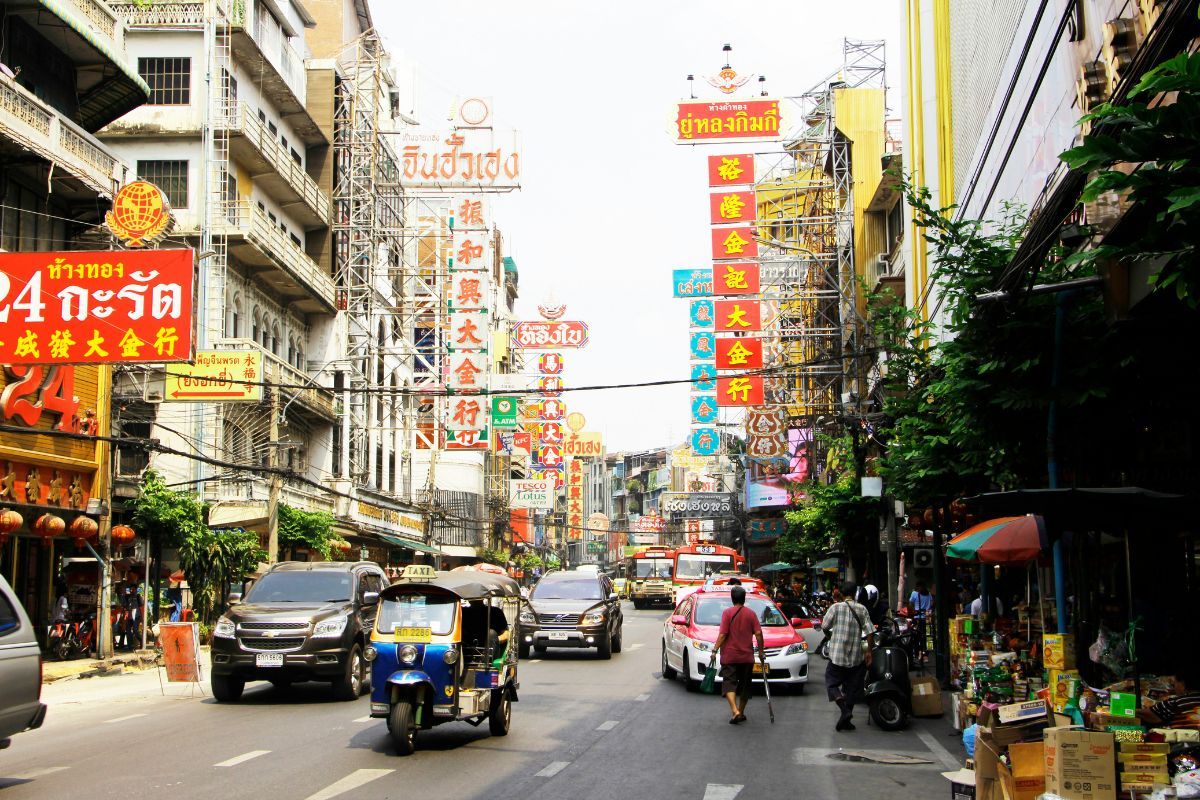
Where is Yaowarat & Why is it Famous?
Location & Overview
Yaowarat Road runs through Bangkok's Chinatown district, located west of the city center near the Chao Phraya River. It's easily accessible via the MRT Blue Line, with Wat Mangkon Station just steps away from the action.
Yaowarat is famous for:
- Some of the best street food in Bangkok
- Historic Chinese temples
- Traditional gold shops and markets
- Neon-lit night scenes
- Major cultural festivals
History of Bangkok’s Chinatown
Bangkok’s Chinatown dates back to the late 18th century, when Chinese merchants settled in the area during the founding of the Rattanakosin era. Over the decades, Yaowarat developed into a thriving commercial district known for its gold shops, traditional herbal medicine stores, and beautifully decorated Chinese shrines. Today, the neighborhood proudly reflects its strong Sino-Thai identity, seen in ornate temples, glowing red lanterns, classic shophouse architecture, and long-established family-run restaurants that continue to preserve authentic flavors and traditions.
Best Things to Do in Yaowarat
1. Explore Yaowarat Street Food
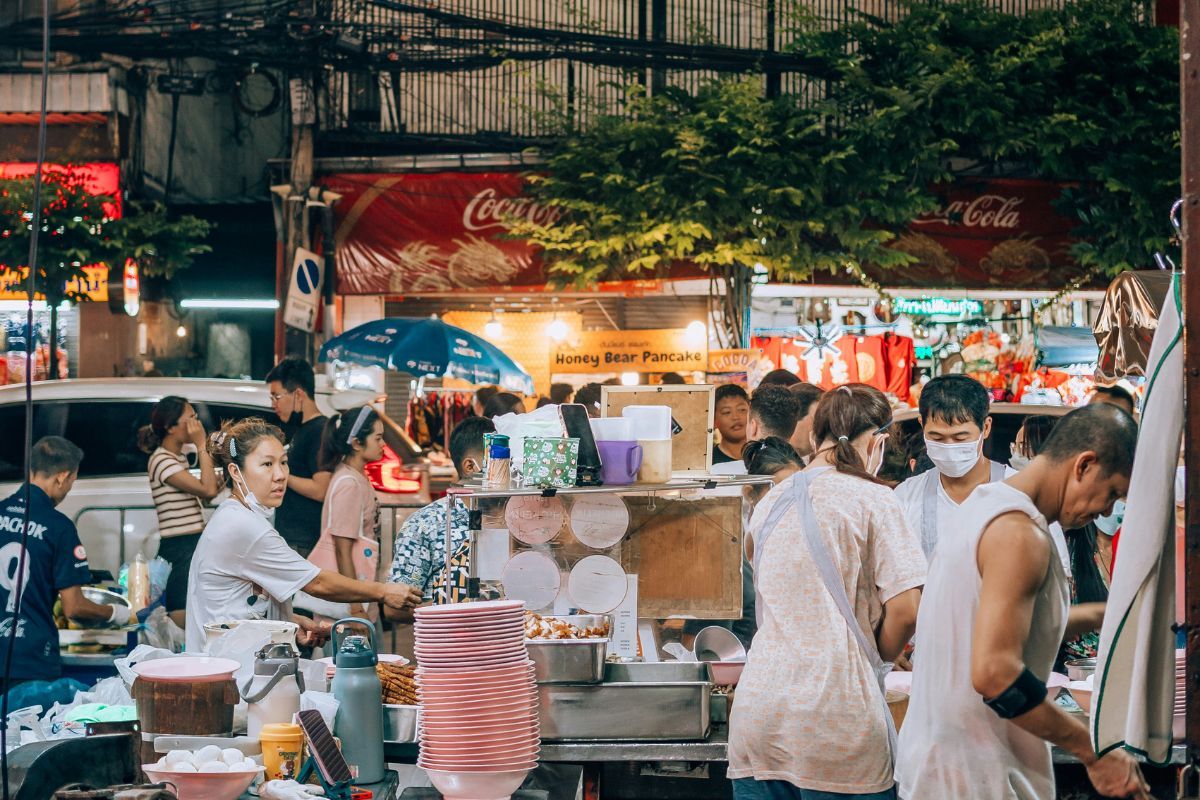
Yaowarat street food is world-famous and is one of the main reasons visitors come to Bangkok's Chinatown. As evening falls, sidewalks transform into lively open-air kitchens serving grilled seafood, stir-fried noodles, crispy oyster omelette, and a wide range of traditional Chinese desserts. You will also find several Michelin-recommended stalls attracting long queues of locals and tourists alike. The atmosphere becomes especially vibrant from around 6:00 PM onward, when neon signs light up the street and the food scene is at its peak.
2. Visit Wat Traimit (Golden Buddha)
Located at the entrance to Chinatown, Wat Traimit is home to the world's largest solid gold Buddha statue, weighing over five tons. The temple is not only an important religious landmark but also a symbol of Thailand's rich cultural heritage. Its elegant architecture and peaceful atmosphere provide a contrast to the busy streets outside. Visitors can also explore the Chinatown Heritage Center inside the complex to learn more about the area's history.
3. Discover Wat Mangkon Kamalawat
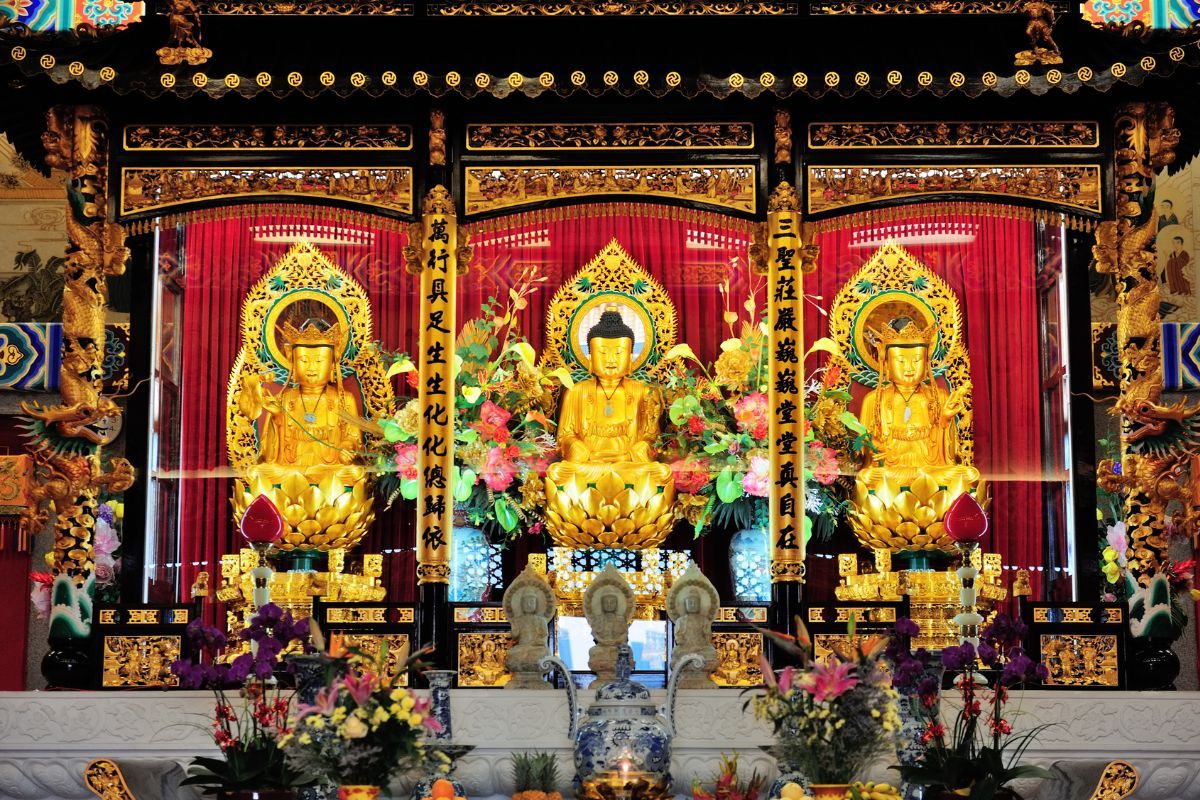
Wat Mangkon Kamalawat is the largest and most significant Chinese Buddhist temple in Bangkok. The temple's incense-filled halls, intricate dragon decorations, and red-and-gold details reflect strong Chinese influence. It plays a central role during major festivals such as Chinese New Year, but spiritual rituals and daily prayers take place throughout the year, making it a meaningful stop for cultural travelers.
4. Walk Through Sampeng Market
Sampeng Market is a narrow wholesale market filled with energy and local character. The lanes are lined with fabrics, jewelry, souvenirs, and party supplies, creating a colorful and bustling shopping experience. Although it can feel crowded and chaotic, walking through Sampeng offers an authentic glimpse into the trading culture that has shaped Yaowarat for generations.
Yaowarat at Night: Bangkok's Food Capital
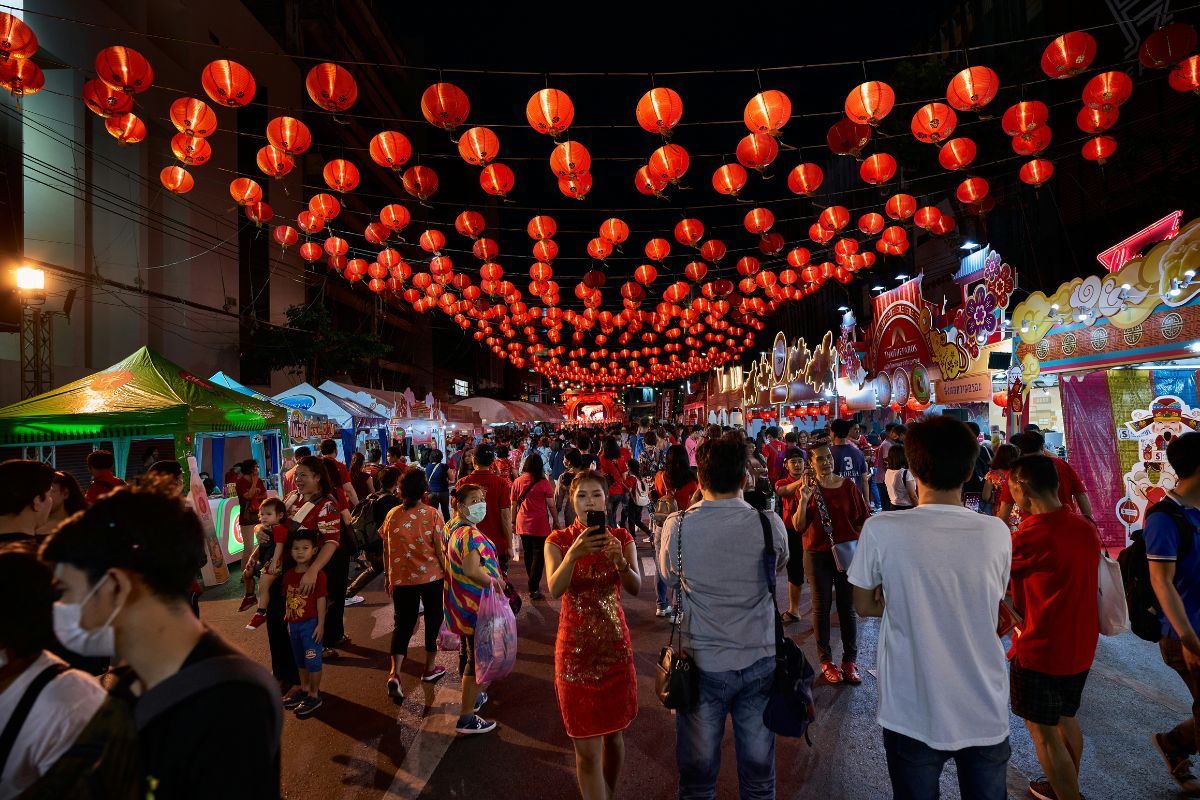
Yaowarat at night is when Bangkok's Chinatown truly comes alive. As the sun sets, the district transforms into a glowing corridor of neon lights, sizzling woks, and packed street food stalls. The red and gold Chinese signs illuminate the road, traffic slows, and sidewalks become open-air kitchens serving some of the best food in the city.
The atmosphere is energetic and intense, but that is exactly what makes it special. Smoke rises from charcoal grills, chefs cook at lightning speed, and diners wait patiently in long lines for legendary dishes. It feels chaotic at first, yet it runs with its own rhythm.
What to Expect at Night
Bright red and gold neon signs lining Yaowarat Road
Crowded street food stalls stretching for blocks
Smoky seafood grills and fast-moving woks
Long queues at Michelin-recognized vendors
Plastic tables packed with locals and travelers
Peak dining hours are typically 7:00 PM to 9:30 PM, when the energy is at its highest and the most famous stalls have the longest lines. Arriving slightly earlier, around 5:30 PM to 6:00 PM, allows you to explore more comfortably before the biggest rush.
Day vs Night in Yaowarat
While Yaowarat is busy throughout the day, the experience changes completely after sunset:
Daytime is best for:
Visiting temples such as Wat Traimit and Wat Mangkon
Shopping in Sampeng Market
Exploring traditional gold shops and herbal stores
Taking photos of Sino-Thai architecture
Nighttime is best for:
Street food hopping
Soaking in the neon-lit atmosphere
Trying seafood and local specialties
Experiencing Bangkok's most famous food district
If you are visiting for food, nightlife atmosphere, and iconic street scenes, Yaowarat at night offers one of the most memorable culinary experiences in Bangkok.
What to Eat in Yaowarat
Yaowarat is widely considered the heart of Bangkok's street food scene, and many travelers come here specifically to taste the best food in Yaowarat in one evening. From smoky seafood grills to heritage Chinese soups and Thai-Chinese comfort dishes, the variety is impressive and deeply rooted in the neighborhood's Sino-Thai identity.
Must-Try Street Food Dishes
1. Oyster Omelette (Hoy Tod)
One of the most iconic Yaowarat street food dishes, hoy tod features crispy egg batter fried in a hot wok with fresh oysters, bean sprouts, and a savory chili sauce on the side. The texture is the highlight, crispy on the outside and soft in the middle.
Recommended at: Nai Mong Hoi Tod, a long-running stall known for perfectly crisp edges and generous oysters.
2. Grilled Seafood
Seafood is everywhere in Yaowarat at night. Giant river prawns, whole squid, scallops, and crab are grilled over charcoal, brushed with garlic butter or spicy seafood sauce.
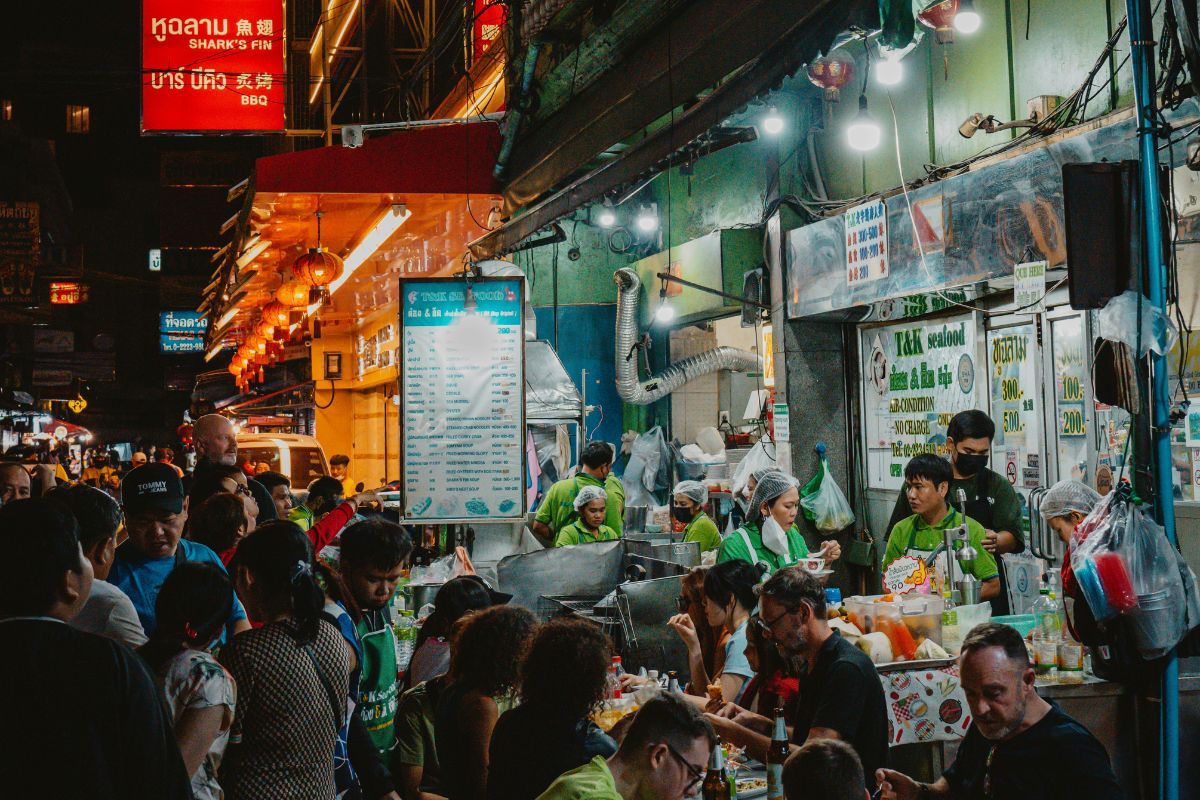
Recommended at: T&K Seafood, famous for its green-shirted staff and lively atmosphere, and Lek & Rut Seafood, another legendary late-night seafood spot.
3. Fish Maw Soup (Kra Pao Pla)
A traditional Chinese-style thick soup made with fish maw, crab meat, and aromatic broth, often finished with pepper and vinegar. It is especially popular with older generations and locals.
Recommended at: [Heng Yod Phak](https://maps.app.goo.gl/MxKL74mC4bayfZpg80, a well-known stall specializing in this comforting dish.
4. Guay Jub (Peppery Rolled Noodles)
This peppery broth with rolled rice noodles, crispy pork belly, and offal is a Yaowarat classic. The strong white pepper flavor makes it stand out from other noodle soups in Bangkok.
Recommended at: [Nai Ek Roll Noodles](https://maps.app.goo.gl/oWRDiKHGUFCm8E6p70, a Michelin Bib Gourmand favorite that often has a queue.
5. Mango Sticky Rice & Chinese Desserts
For dessert, you will find both Thai classics and Chinese sweets. Mango sticky rice, sesame dumplings, almond pudding, and herbal jelly are popular choices.
Recommended at: Tang Jai Yoo Dessert stalls nearby or traditional Chinese dessert shops along the main road.
Best Restaurants in Yaowarat
While street stalls dominate the scene, Yaowarat also offers excellent sit-down restaurants for a more comfortable dining experience.
Traditional Chinese Seafood Restaurants
For large groups or family dinners, classic Chinese seafood restaurants are a great choice. These venues typically offer round tables, banquet-style dishes, and extensive menus.
Hua Seng Hong - One of the oldest and most famous Chinese restaurants in Chinatown, known for roast duck, dim sum, and seafood dishes.
T&K Seafood - Casual but extremely popular, especially for grilled river prawns and spicy crab.
Michelin-Listed Noodle & Street Food Stalls
Yaowarat has earned international recognition for its Michelin-rated street food.
Nai Ek Roll Noodles - Michelin Bib Gourmand for its guay jub.
Guay Jub Ouan Pochana - Another popular rolled noodle option.
Lim Lao Ngow - Lim Lao Ngow (Bib Gourmand) is a legendary Yaowarat noodle stall known for its perfectly springy fish balls, rich broth, and consistently Michelin-recognized quality at affordable prices.
These stalls often attract both locals and international visitors looking for authentic flavors.
Modern Cafés & Rooftop Spots Near Chinatown
If you want a break from the crowds, there are trendy cafés and rooftop bars just outside the busiest food streets.
Ba Hao Tian Mi - A Chinese-inspired dessert bar with creative cocktails and photogenic interiors.
Wallflowers Upstairs - A stylish rooftop bar offering city views and a quieter atmosphere.
These modern venues combine heritage surroundings with contemporary dining experiences.
Hidden Gems Near Yaowarat
While Yaowarat Road is the main attraction, some of the most charming experiences lie just beyond the neon lights and busy food stalls. Exploring these nearby areas adds depth to your visit and reveals a quieter, more local side of Bangkok Chinatown.
1. Talad Noi
Just a short walk from the main Yaowarat strip, Talad Noi feels like stepping into an older, slower version of Bangkok. This riverside neighborhood is known for its creative energy and historic atmosphere.
Here you'll find:
Colorful street art murals painted on century-old walls
Hidden riverside cafés overlooking the Chao Phraya River
Antique auto part shops and vintage warehouses
Photogenic alleyways framed by tangled cables and old wooden doors
Talad Noi offers a peaceful contrast to busy Yaowarat Road, making it perfect for photography, café hopping, and relaxed afternoon walks.
2. Chinatown Heritage Center
Located inside Wat Traimit, the Chinatown Heritage Center is often overlooked by visitors who come only to see the Golden Buddha. The museum provides an in-depth look at the migration of Chinese communities to Thailand and how they shaped Bangkok's trade, architecture, and cuisine.
Exhibits include interactive displays, old photographs, and recreated scenes from early Chinese settlements. It's an excellent stop for travelers who want cultural context behind Yaowarat's gold shops, shrines, and family-run businesses.
3. Small Shrines & Alleyway Finds
One of the most rewarding ways to explore Chinatown is to wander into its narrow side alleys. Between the busy storefronts, you'll discover small, hidden details that tell stories of daily life.
Keep an eye out for:
Traditional Chinese medicine shops selling dried herbs and roots
Historic gold stores with ornate red and gold signage
Mini shrines tucked between buildings with incense smoke drifting into the street
Family-run tea shops that have operated for generations
These quiet corners reveal the authentic heartbeat of Yaowarat beyond its famous food scene.
Festivals & Events in Yaowarat
Yaowarat hosts some of Bangkok's largest and most vibrant cultural celebrations. During festival seasons, the entire district transforms with decorations, performances, and special food offerings.
1. Chinese New Year
The biggest celebration of the year in Chinatown is Yaowarat Chinese New Year. During this period, the entire street becomes a massive cultural festival zone.
Expect to see in Chinese New Year in Bagkok:
Traditional dragon and lion dances moving through the crowds
Streets covered in red lantern decorations and festive banners
Cultural stage performances featuring Chinese opera and music
Special pop-up food stalls serving festive dishes
The celebration typically draws huge crowds, including locals, tourists, and even members of the Thai royal family during official opening ceremonies.
2. Vegetarian Festival
Another major annual event in Chinatown is the Vegetarian Festival, held during the ninth lunar month. This religious festival is deeply connected to Phuket but also strongly celebrated in Bangkok's Chinese community.
During this time:
Yellow flags mark participating vegetarian vendors
Streets become lined with plant-based food stalls
Ritual ceremonies take place at Chinese temples
Devotees wear white to symbolize purity
The atmosphere is intense and spiritual, offering visitors a unique glimpse into Taoist traditions and community rituals.
How to Get to Yaowarat
If you're wondering how to get to Yaowarat, Bangkok offers several convenient options depending on your starting point and travel style.
1. MRT Blue Line (Wat Mangkon)
The MRT Blue Line is the easiest and most reliable way to reach Chinatown. Simply take the train to Wat Mangkon Station, which sits directly in the heart of Yaowarat. From the exit, you are just a short walk away from the main street food stretch and temple areas.
Why this is the best option:
Avoids Bangkok traffic
Air-conditioned and affordable
Ideal during peak evening hours
Clear signage in English and Thai
This is highly recommended if you're visiting at night when traffic becomes heavy.
2. Taxi & Grab
Taxis and Grab rides are available throughout Bangkok and can drop you directly on Yaowarat Road. However, traffic congestion is common, especially between 5:00 PM and 9:00 PM.
Tips when using taxi or Grab:
Allow extra time during dinner hours
Ask to be dropped slightly outside the busiest section
Avoid peak festival days if possible
This option works best during the daytime or if you are traveling in a group.
3. River Boat + Short Walk
For a more scenic approach, take a Chao Phraya River boat to nearby piers such as Ratchawong Pier. From there, it's a short walk inland to reach Yaowarat.
Advantages of this route:
Beautiful river views
Less traffic stress
Combines sightseeing with transportation
It's a great choice if you are already exploring riverside landmarks like the Grand Palace or Wat Arun.
4. Parking Advice
Parking in Chinatown is extremely limited and streets are narrow. Public transport is strongly recommended, especially during evenings and festival seasons.
Best Time to Visit Yaowarat
Yaowarat offers completely different experiences depending on when you go.
Day vs Night
Daytime is quieter and ideal for:
Visiting Wat Traimit and Wat Mangkon
Exploring Sampeng Market
Taking photos of historic shophouses
Discovering hidden alleys
Nighttime is when Yaowarat transforms into Bangkok's food capital.
Expect:
Bright neon signage
Packed street food stalls
Smoky grills and lively atmosphere
Long queues at famous vendors
If your main goal is food and ambiance, visit after 6:00 PM.
Weekday vs Weekend
Weekdays: Slightly less crowded, easier to move around
Weekends: Extremely busy, especially after sunset
For a more relaxed food crawl, weekdays are better. For full energy and excitement, weekends deliver the buzz.
Festival Season
During Chinese New Year and the Vegetarian Festival, Yaowarat becomes one of the most vibrant areas in Bangkok.
Pros:
Cultural performances
Dragon and lion dances
Special festive foods
Cons:
Heavy crowds
Road closures
Longer waiting times
Festival visits are unforgettable but require patience.
Where to Stay Near Yaowarat
Choosing accommodation nearby lets you experience Chinatown beyond the evening rush.
1. Boutique Hotels in Chinatown
Perfect for travelers who enjoy historic charm. Many boutique properties are converted shophouses blending Sino-Thai heritage with modern comfort. Staying here means you can explore early in the morning before crowds arrive.
2. Budget Hostels
Backpackers and food-focused travelers will find many affordable guesthouses and hostels within walking distance of Yaowarat Road. These options provide easy access to late-night street food without high costs.
3. Riverside Hotels Nearby
If you prefer quieter surroundings, consider riverside hotels along the Chao Phraya River. These offer:
- Luxury views
- Easier transport access
- Short rides to Chinatown
Searching for hotels near Yaowarat Bangkok gives you options across all budgets, from heritage stays to modern high-rise comfort.
Suggested Walking Route in Yaowarat (2-3 Hours)
A simple self-guided Yaowarat walking tour allows you to experience the district efficiently.
Start at Wat Traimit
Begin with the Golden Buddha and visit the Chinatown Heritage Center inside the temple complex.
Walk Along Yaowarat Road
Head toward the main street and sample small portions of street food as you go. Try oyster omelette, grilled seafood, or peppery guay jub noodles.
Explore Sampeng Lane
Turn into the narrow wholesale market to browse textiles, accessories, and souvenirs. It's chaotic but fascinating.
End at Talad Noi Riverside
Finish your walk in Talad Noi for street art, antique shops, and a peaceful sunset view along the river.
This route balances culture, food, shopping, and photography in just a few hours.
Travel Tips for Visiting Yaowarat
Exploring Yaowarat Bangkok can be an unforgettable experience, but a little preparation goes a long way. The streets are lively, the sidewalks are narrow, and the crowds can be intense, especially after sunset. Keep these practical tips in mind to make the most of your visit.
1. Bring Cash for Street Food
Many street vendors and small family-run shops still operate on a cash-only basis. While some larger restaurants now accept QR payments or cards, most popular stalls prefer Thai baht in small bills. Having enough cash on hand helps you move quickly between food stops without missing out on must-try dishes.
2. Arrive Early to Avoid Long Queues
Yaowarat street food is world-famous, and famous vendors often have long waiting lines. If you want shorter queues and easier movement:
Arrive before 6:00 PM for dinner
Visit popular stalls on weekdays
Avoid peak festival periods unless you are prepared for crowds
Early evenings allow you to enjoy the atmosphere before it becomes packed.
3. Watch Your Belongings
Like many busy urban districts, Yaowarat can get extremely crowded at night. Keep your bag zipped and close to your body, especially in tight walking lanes like Sampeng Market. Pickpocketing is not common, but it is always wise to stay alert in dense crowds.
4. Choose Busy Food Stalls
One of the easiest ways to ensure better hygiene and freshness is to choose stalls with steady customer flow. High turnover usually means ingredients are freshly prepared. Look for:
Food cooked to order
Clean preparation surfaces
Locals lining up
Crowds often signal quality in Chinatown.
5. Wear Comfortable Shoes
Yaowarat is best explored on foot. Pavements can be uneven, and you will likely walk several kilometers between temples, markets, and food stalls. Comfortable footwear will make your visit far more enjoyable, especially during hot evenings.
Yaowarat Bangkok is far more than just a street food destination. It is a living cultural district where centuries of Chinese migration, Thai tradition, and modern city life blend together. From incense-filled temples and bustling gold shops to neon-lit food stalls and hidden alleyway cafés, Chinatown offers layers of history and flavor at every turn. Whether you come for temples, markets, or unforgettable night food adventures, Yaowarat remains one of Bangkok's most vibrant and rewarding neighborhoods to explore in 2026.
If you are visiting during Chinese New Year in Bangkok, be sure to experience the spectacular celebrations in Yaowarat, where dragon dances, red lanterns, and vibrant street performances transform Chinatown into one of the city’s most exciting cultural highlights. To explore more local insights, read our complete Chatuchak Market guide and plan your weekend shopping adventure with confidence. You can also continue your Bangkok journey by visiting iconic landmarks such as Wat Pho and Wat Phra Kaew, two essential cultural attractions known for their rich history and breathtaking temple architecture.