Bangkok is widely regarded as one of the world's great food cities. Few places offer the same depth, variety, and accessibility of food experiences, from humble street stalls to Michelin-recognized restaurants and refined fine dining. Eating in Bangkok is not just about filling meals between sightseeing stops. It is one of the most meaningful ways to understand the city's culture, rhythm, and daily life.
What makes Bangkok special is the contrast. You can enjoy legendary street food for a few dollars, sit down at local restaurants serving generations-old recipes, or experience modern Thai cuisine at chef-driven restaurants all in the same day. Food here is social, affordable, and deeply connected to neighborhoods.
This guide is organized to help travelers eat well with confidence. It breaks down what Bangkok is famous for, where to find must-eat dishes, how street food works, and how to choose where to eat based on area, budget, time of day, and travel style.
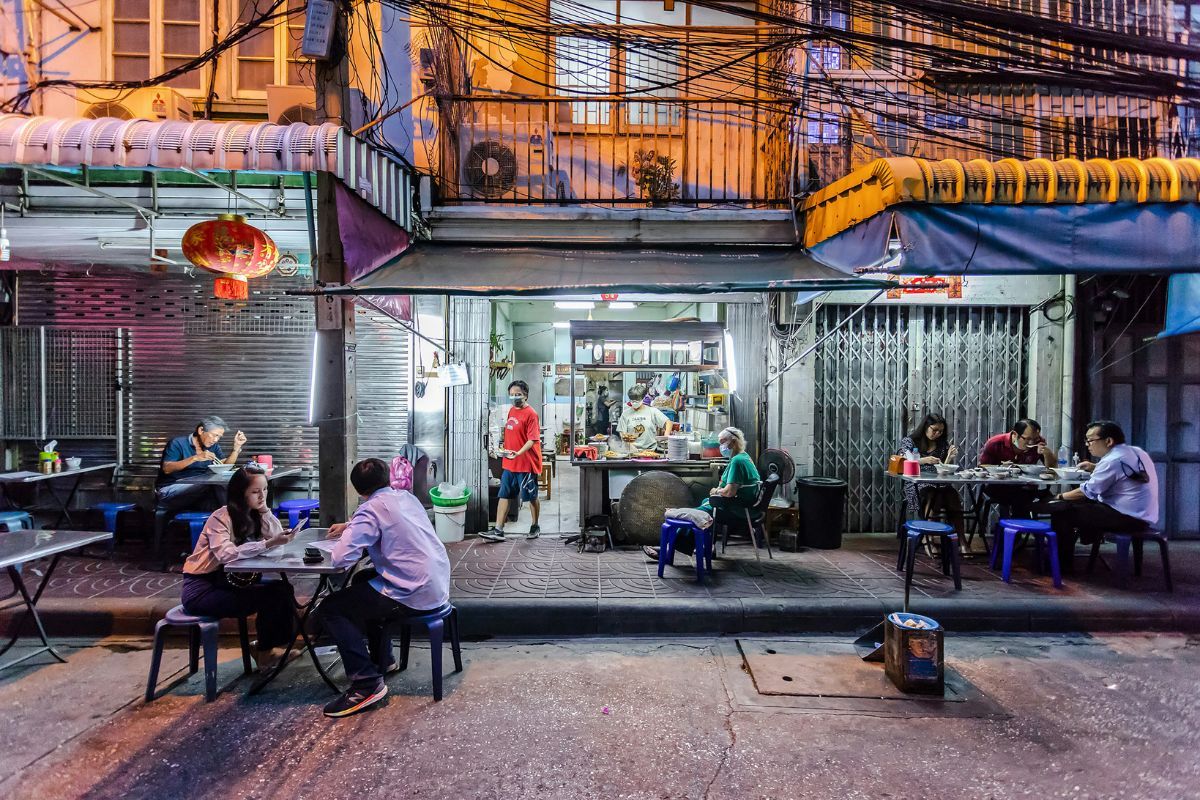
What Food Is Bangkok Famous For?
Bangkok is famous for its bold, well-balanced flavors that combine sweet, salty, sour, and spicy in nearly every dish. Thai food is not meant to be eaten in isolation. Meals are usually shared, with multiple dishes placed in the center of the table so diners can experience different textures and tastes in one sitting. Freshness is key, and many dishes are cooked to order, especially at street stalls and local restaurants.
One of the reasons Bangkok stands out is the variety of food styles available in a single city. While Thai cuisine differs greatly by region, Bangkok brings them all together, making it the best place for travelers to explore Thailand's full culinary range without leaving the capital.
Signature Dishes You Should Try at Least Once
Pad Thai and Stir-Fried Noodles
Pad Thai is Thailand's most internationally known dish, but in Bangkok it comes in many variations. You'll find versions cooked over high heat with tamarind sauce, dried shrimp, tofu, egg, and peanuts, often prepared quickly at busy street stalls. Beyond Pad Thai, stir-fried noodles such as pad see ew and pad kee mao (drunken noodles) are everyday comfort foods for locals.
Boat Noodles (Guay Tiew Reua)
Boat noodles are a rich, aromatic noodle soup traditionally served in small bowls. The broth is deep and savory, often made with herbs and spices simmered for hours. In Bangkok, boat noodle shops specialize in this dish alone, and diners typically order several bowls at once.
Som Tam (Papaya Salad)
Som tam is a refreshing yet spicy salad made from shredded green papaya, lime juice, fish sauce, palm sugar, and chilies. It represents northeastern Thai cuisine and is commonly eaten with grilled meats or sticky rice. Bangkok offers countless versions, from mild to extremely spicy, depending on your preference.
Thai Curries
Curries in Bangkok range from creamy coconut-based green and red curries to richer, milder massaman curry. Many local restaurants make curry pastes from scratch using fresh herbs, giving dishes a depth of flavor that's hard to replicate elsewhere.
Grilled Meats and Seafood
Grilled chicken, pork skewers, sausages, whole fish, prawns, and squid are staples at markets and night food streets. Bangkok's access to fresh seafood means grilled dishes are often simple but packed with flavor, served with spicy dipping sauces.
Mango Sticky Rice and Thai Desserts
Mango sticky rice is Bangkok's most famous dessert, especially during mango season. Beyond this classic, Thai desserts often feature coconut milk, palm sugar, and rice flour, creating lightly sweet treats that pair well with the city's spicier foods.
Why Bangkok Is the Best Place to Try Thai Food
Bangkok brings together regional Thai cuisines in one place. Dishes from the north, northeast, south, and central Thailand are widely available, often prepared by cooks who specialize in just a handful of recipes refined over decades. This level of specialization means you can experience authentic regional flavors without traveling across the country.
Many foods that travelers see as ""must-try"" dishes are actually everyday meals for locals. What sets Bangkok apart is not just the food itself, but where and how you eat it. A plate of noodles from a busy street stall, a family-run shop near a market, or a small neighborhood restaurant often offers a more authentic experience than a famous name alone.
Understanding this mindset helps travelers eat better in Bangkok. Instead of chasing only popular restaurants, focus on lively areas, busy stalls, and neighborhoods known for food. That's where Bangkok's true food culture shines.
Best Places to Try Famous Dishes in Bangkok
If you want to taste Bangkok's most iconic dishes at their best, it's more effective to focus on well-known food neighborhoods and trusted local restaurants rather than trying to chase every viral spot. Many of these places are popular because locals return regularly for consistent flavors, not just because they are famous online.
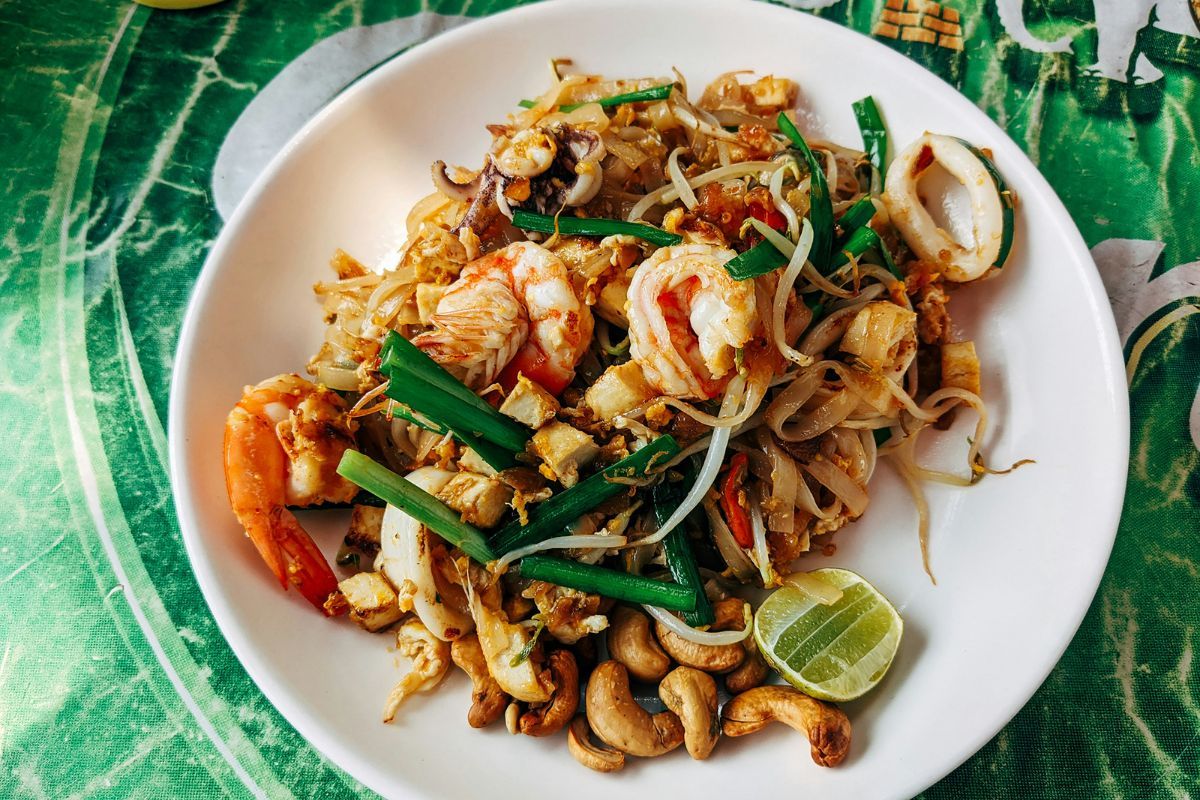
Pad Thai
Pad Thai is Bangkok's most internationally recognized dish, but the best versions are made by vendors who cook each portion to order over high heat. Look for stalls with fast turnover, smoky aromas, and simple menus.
Thipsamai Pad Thai
Known for its rich tamarind sauce and slightly smoky wok flavor, this Old Town favorite is especially busy in the evening. Expect queues, but the quality is reliable and classic.
Pad Thai Fai Ta Lu
A more casual local spot with generous portions and bold flavors, popular with Bangkok residents rather than tour groups.
Best areas: Old Town (Rattanakosin) for traditional recipes and Chinatown (Yaowarat) for late-night noodle stalls.
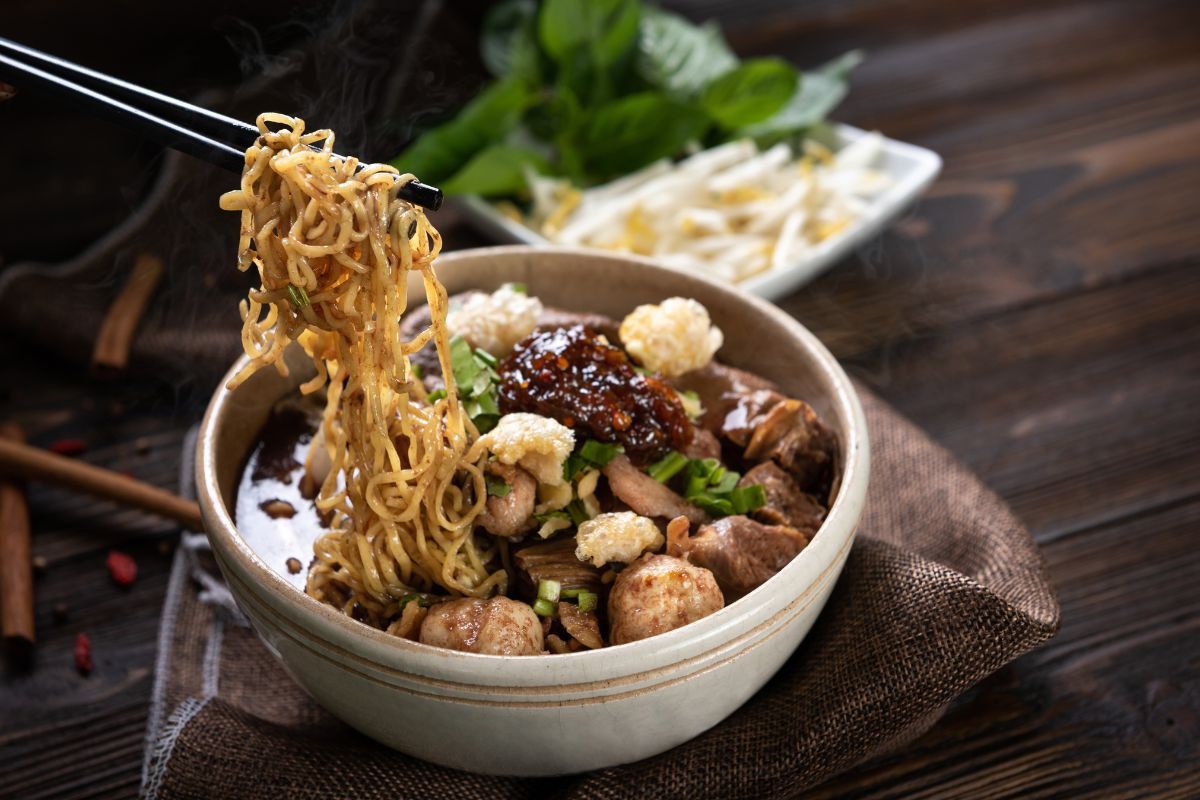
Boat Noodles (Guay Tiew Reua)
Boat noodles are a deeply flavorful noodle soup, traditionally served in small bowls. The broth is rich and aromatic, and ordering several bowls is part of the experience.
Victory Monument Boat Noodles
Refers to the cluster of noodle shops around Victory Monument, where locals often hop between stalls to compare flavors.
Best areas: Victory Monument and older canal-side neighborhoods where this dish originated.
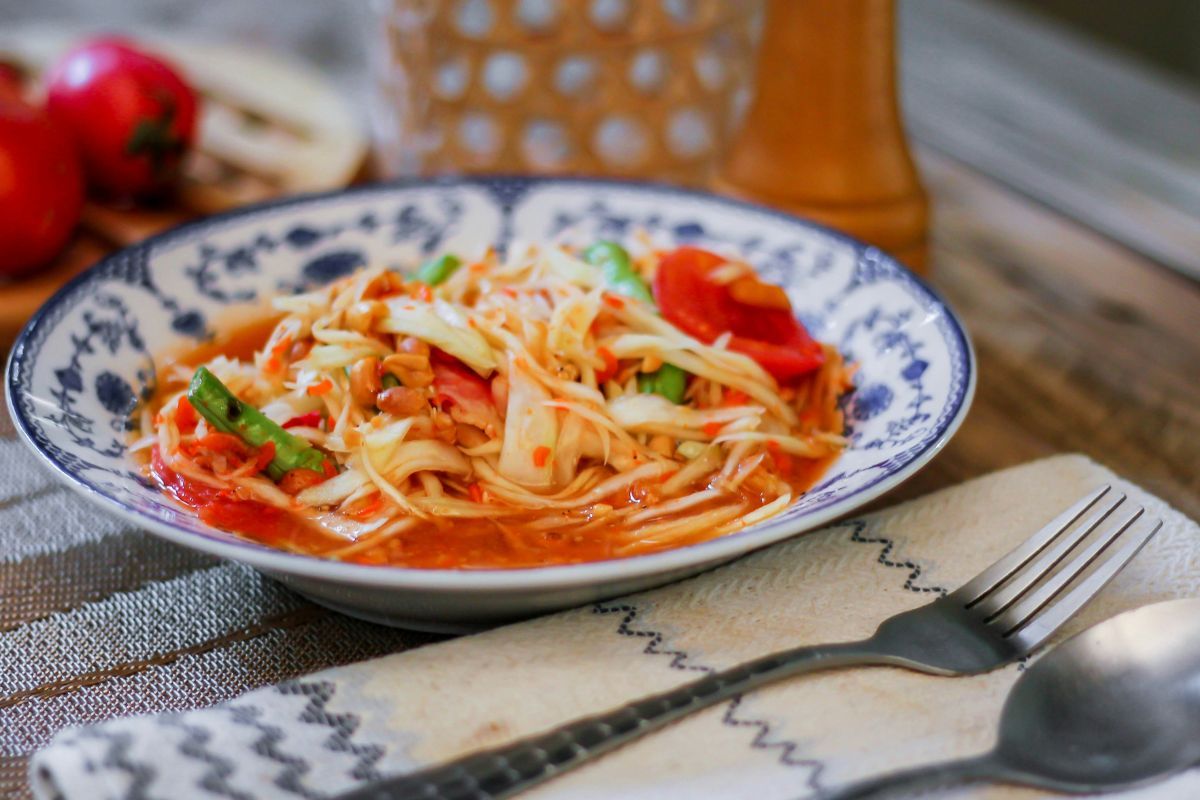
Som Tam (Papaya Salad)
Som tam is fresh, spicy, and highly customizable, with variations ranging from mild to intensely fiery. It's often eaten with sticky rice and grilled meats.
Hai Som Tam Convent
Conveniently located and well-balanced, making it a good introduction for first-time visitors.
Som Tam Jay So
Famous for bold northeastern Thai flavors and generous portions, popular with locals who enjoy stronger spice levels.
Best areas: Silom, Bang Rak, and local markets where som tam is made fresh to order.
Polo Fried Chicken
Well known for its crispy Thai-style fried chicken, Polo Fried Chicken is a local favorite often paired with som tam, sticky rice, and classic Isan side dishes. The chicken is lightly seasoned, juicy inside, and perfectly crisp, making it a go-to spot for an authentic casual Thai meal.
Best areas: Soi Polo (near Lumphini Park), Silom, and Sathorn, especially popular for lunch and early dinner among locals and office workers.
Thai Curries
Bangkok is one of the best places to try Thai curries from different regions of the country. Smaller local restaurants often prepare curry pastes fresh, resulting in deeper and more complex flavors.
Charmgang
A curry-focused restaurant highlighting lesser-known regional recipes with bold seasoning.
Baan Khanitha
Offers classic Thai curries in a comfortable, traditional setting, suitable for travelers wanting a calmer dining experience.
Best areas: Old Town, Ari, and residential neighborhoods where family-run Thai restaurants are common.
Grilled Meats & Seafood
Charcoal-grilled meats and seafood are best enjoyed in the evening, when grills line streets and markets. Expect skewers, whole fish, prawns, and crab cooked over open flames.
Somboon Seafood
Well known for crab curry and classic Thai seafood dishes, with multiple branches across the city.
Jay Fai
Famous for cooking seafood over intense heat, producing deeply flavored dishes. Lines can be long, but it's a unique experience.
Best areas: Chinatown, night markets, and food streets in Silom.
Mango Sticky Rice & Thai Desserts
Mango sticky rice is one of Thailand's most loved desserts, especially during mango season. Thai desserts often use coconut milk, palm sugar, and sticky rice.
Kor Panich
A historic shop known for its fragrant sticky rice and high-quality coconut cream.
Mae Varee Mango Sticky Rice A popular late-night stop, especially busy in the evenings.
Best areas: Old Town, Thonglor, and Chatuchak Market, where dessert stalls are abundant.
Street Food in Bangkok
Street food is the backbone of Bangkok's food culture and one of the best ways to understand how the city eats every day. It's fast, affordable, and woven into daily life, from early morning breakfast stalls to late-night food streets buzzing with energy.
What makes Bangkok street food truly special is specialization. Many vendors sell only one or two dishes, sometimes for decades. Instead of long menus, they focus on perfecting a single recipe, cooking it continuously throughout the day. This repetition leads to consistency, strong flavors, and dishes that taste exactly as locals expect.
For travelers, street food is also one of the most accessible ways to eat well without planning ahead. Meals are cooked to order, portions are flexible, and prices are low enough to try multiple dishes in one sitting.
Practical Street Food Tips for Travelers
Follow the crowds: A busy stall usually means fresh ingredients and fast turnover.
Ordering is simple: Pointing at dishes, photos, or what others are eating is completely normal.
Spice levels are adjustable: You can ask for less spicy or ""not spicy"" if needed.
Bring cash: Most street vendors accept cash only, especially smaller stalls.
Eat fresh: Choose stalls where food is cooked in front of you rather than pre-prepared.
Street Food by Time of Day
Street food in Bangkok changes character depending on the time:
Daytime street food is common near office districts, markets, and transport hubs. Expect quick meals like noodle soups, rice dishes, and grilled meats aimed at locals on lunch breaks.
Night street food becomes more social and atmospheric. Streets fill with tables, drinks, grills, and dessert stalls, making it ideal for relaxed evening meals and food hopping.
Food Courts vs Roadside Stalls
Food courts (often inside malls or transport hubs) offer air-conditioned comfort, clear menus, and a wide range of dishes in one place. They're ideal during hot afternoons or for first-time visitors easing into Thai food.
Roadside stalls deliver the most authentic experience, with stronger local flavors and a closer look at how Bangkok eats day to day.
The best way to experience Bangkok street food isn't by chasing viral dishes, but by exploring food streets and neighborhoods, eating when locals eat, and allowing meals to become part of the city experience rather than just a stop between attractions.
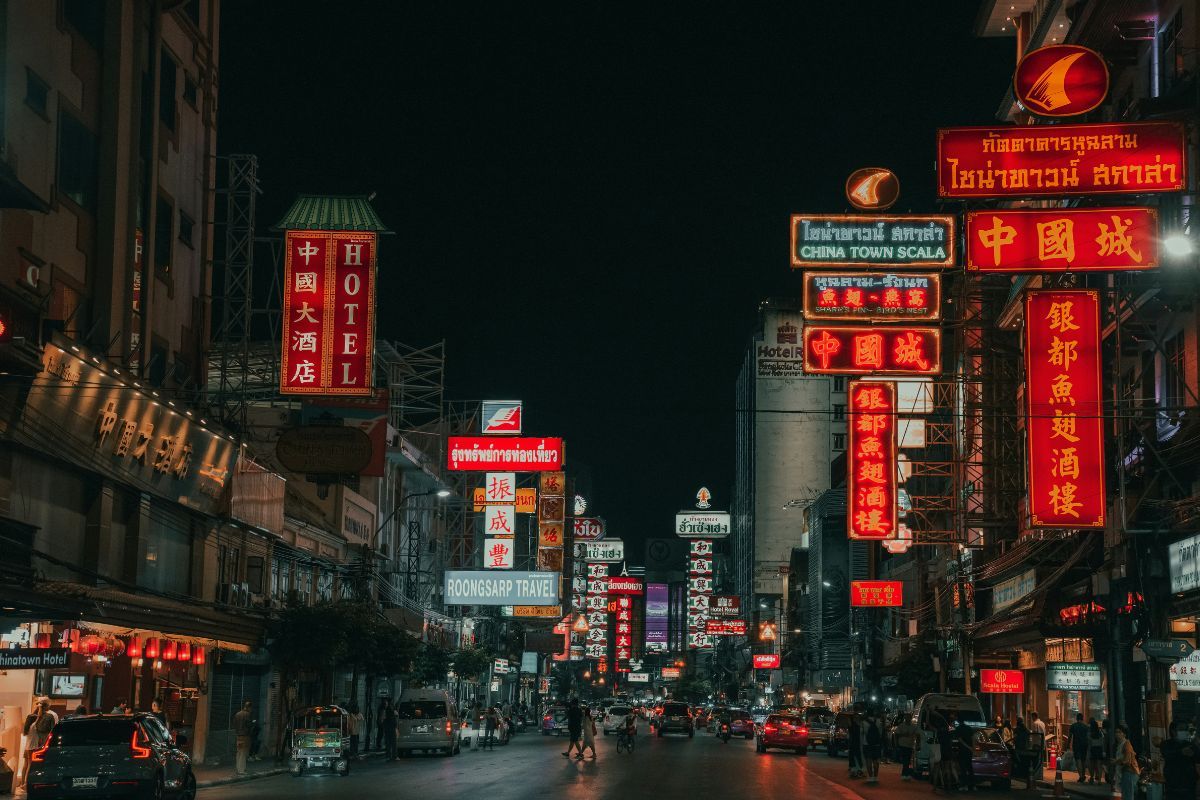
Best Street Food Areas in Bangkok
1. Yaowarat (Chinatown) – Iconic Night Street Food Hub
Yaowarat Road in Chinatown comes alive after sunset with rows of food stalls, grill carts, and local eateries serving everything from seafood and noodles to dim sum and sweet treats. The atmosphere is noisy, aromatic, and unforgettable --- a must-visit for food lovers.
You'll find:
Grilled seafood and BBQ
Stir-fried noodles and soups
Chinese-Thai fusion dishes
Desserts and iced treats
Perfect for: Evening food crawls, seafood lovers, adventurous eaters
2. Sukhumvit Soi 38 – Classic Street Food Street
Located near Thonglor BTS, Sukhumvit Soi 38 is a well-loved night street food lane that stays lively after dark. This compact food street offers authentic local favourites like khao man gai (chicken rice), noodle soups, and snacks.
You'll find:
Khao man gai and khao moo daeng
Kuay jab (noodle soup)
Barbecue snacks and desserts
Perfect for: Visitors based in central Bangkok looking for convenient night eats
3. Khao San Road & Soi Rambuttri - Backpacker & Casual Street Eats
The area around Khao San Road and neighboring Soi Rambuttri is a fun, busy zone with plenty of street food stalls offering local favourites and international snacks. Expect affordable meals, filling comfort food, and a lively evening vibe.
You'll find:
Fried rice, noodles, satay skewers
Thai-style snacks and smoothies
Banana pancakes, sweet crepes
Perfect for: Backpackers, budget travellers, food + nightlife explorers
4. Sam Yan & Silom – Local Market Flavours
The Sam Yan area, near Chulalongkorn University, and parts of Silom host vibrant street food scenes with traditional Thai dishes, noodle soups, curries, and grilled meats. These are more local-oriented and excellent for daytime eats.
You'll find:
Classic noodle stalls
Thai curries and rice bowls
Roasted duck and hearty soups
Perfect for: Daytime food exploration, local lunch spots
5. Chatuchak Weekend Market – Food + Shopping Combo
While Chatuchak is known primarily as a shopping destination, its food sections are packed with Thai street food classics, desserts, and drink stalls. Perfect for powering up between browsing stalls.
You'll find:
Grilled seafood and meats
Snacks and sweets
Refreshing drinks and juices
Perfect for: Weekend travellers, food at market pace
6. Wang Lang Market (Thonburi) – Authentic Local Street Eats
On the Thonburi side of Bangkok, Wang Lang Market is a maze of street food stalls with authentic Thai comfort foods --- from seafood pancakes and spicy noodles to local desserts. It's a favourite among residents but less frequented by tourists.
You'll find:
Seafood pancakes and noodle stalls
Sweet treats and drinks
Local Thai dishes in casual settings
Perfect for: Repeat visitors, local food explorers
7. Charoen Krung & Bang Rak – Classic Bangkok Street Food Routes
Charoen Krung Road and the surrounding Bang Rak area mix traditional street food stalls with small restaurants and local noodle shops. This area has deep culinary roots and represents everyday Bangkok eating culture.
You'll find:
Noodle soups including boat noodles
Grilled prawns, dim sum, and rice dishes
Mango sticky rice and desserts
Perfect for: Foodies seeking both street food and casual sit-down eats
Street Food Highlights by Time
Daytime: Sam Yan, Silom food stalls, Chatuchak daytime section
Evening & Night: Yaowarat, Soi 38, Khao San Road/Soi Rambuttri
All Day: Wang Lang Market, Charoen Krung & Bang Rak
Travel Tips for Street Food in Bangkok
1. Follow peak crowds for freshness
Busy stalls usually mean high turnover, so ingredients are cooked frequently and served fresh. If locals are lining up, it's often a good sign of both quality and hygiene.
2. Carry small cash notes
Most street food vendors accept cash only, and having small bills makes payment faster and easier, especially during busy lunch and dinner hours.
3. Be prepared to eat casually
Seating may be limited or shared, so bringing disposable wipes or hand sanitizer helps you stay comfortable. Reusable cutlery can be useful, but most stalls provide basic utensils.
4. Eat by location, not distance
Pair street food stops with nearby attractions, markets, or transit stations. This saves energy in Bangkok's heat and turns food breaks into a natural part of sightseeing.
5. Watch how food is prepared
Choose stalls where food is cooked in front of you rather than sitting out for long periods. Freshly grilled, boiled, or stir-fried dishes are usually the safest and tastiest options.
6. Start mild, then adjust spice levels
Thai food can be very spicy. If you're unsure, ask for less spice at first and increase gradually as you get used to local flavors.
7. Time your street food meals
Lunch crowds peak around midday near offices, while the best street food atmosphere is often in the early evening when stalls expand and seating becomes more social.
Following these tips helps travelers enjoy Bangkok's street food confidently, comfortably, and like a local– without overthinking where or what to eat.
Top Food Markets in Bangkok
1. Chatuchak Weekend Market (JJ Market)
One of Bangkok's most famous markets, Chatuchak is huge and diverse, with plenty of food stalls scattered throughout, from grilled snacks and noodles to Thai desserts and drinks. It's more than just a shopping market – the food section is beloved by both locals and visitors alike.
Best for: Long daytime visits, food + shopping combo.
When to go: Saturday & Sunday (morning to late afternoon).
2. Khlong Toei Market
Bangkok's largest fresh food market, famous for its authentic local vibe and raw ingredients. Here you'll find fresh fruit, seafood, meats, produce, and plenty of ready-to-eat stalls tucked among the wholesalers. It's a fascinating place to see where local chefs source ingredients and sample quick eats in a truly local setting.
Best for: Authentic local experience, fresh produce & quick snacks.
When to go: Morning to early afternoon.
3. Sam Yan Market
A popular spot near Chulalongkorn University that blends a traditional wet market with a lively food court atmosphere. Sam Yan Market is known for affordable Thai street food, grilled meats, fried snacks, and noodles – a favourite among students and office workers.
Best for: Casual lunch, local favourites.
When to go: Midday to early evening.
4. Wang Lang Market (Bangkok Noi)
Located on the Thonburi side near Siriraj Hospital, Wang Lang is a beloved local food market with excellent street food stalls, noodle shops, desserts, and creative snacks that don't appear at tourist-centric markets.
Best for: Hidden gem eats, local food tours.
When to go: Late morning to early evening.
5. Or Tor Kor Market (near Chatuchak)
Adjacent to Chatuchak, Or Tor Kor is a clean, high-quality market known for premium produce, ready-to-eat Thai dishes, regional specialties, and fresh seafood. It's less chaotic than some wet markets but full of great food options.
Best for: High-quality Thai food and ingredients.
When to go: Morning to early afternoon.
Night Markets with Great Food
Bangkok's night markets often double as street food hubs, offering grilled eats, snacks, desserts, and drinks alongside shopping and entertainment:
6. Jodd Fairs (Ratchada & Dan Neramit)
Trendy night markets with lots of stalls selling street food favorites, snacks, drinks, and fusion treats. Great for relaxed evening eating and social dining.
Best for: Trendy eats, casual evenings.
7. Train Night Market (Srinakarin)
A popular night market with a vintage vibe and diverse food options, from grilled seafood to desserts and creative snacks. It's lively and often packed with locals and visitors alike.
Best for: Evening food crawl and nightlife combining food + shopping.
8. Chatuchak Night Market
While Chatuchak is famous for its daytime market, the night market version also offers a wide range of food stalls, especially useful if you're nearby after sunset.
Practical Tips for Food Markets in Bangkok
1. Go early for the best selection
Visiting food markets in the morning or early afternoon gives you access to the widest variety of dishes, fresh ingredients, and popular vendors before items sell out. It's also cooler and less crowded, making the experience more comfortable.
2. Plan markets around sightseeing routes
Food markets are best enjoyed when paired with nearby attractions. Visiting a market after temple sightseeing or shopping breaks up the day naturally and avoids unnecessary backtracking across the city.
3. Carry cash and small notes
Most market stalls accept cash only, and having small denominations makes transactions quicker, especially during peak hours. ATMs may not be conveniently located inside markets.
4. Know the peak hours
Night markets usually get busiest from late afternoon into the evening, when food stalls are fully set up and the atmosphere is most lively. If you prefer fewer crowds, arrive earlier; if you want energy and variety, come later.
5. Eat what's freshly prepared
Choose stalls where food is cooked to order or where you can see high turnover. Freshly grilled, steamed, or stir-fried dishes are typically the safest and most flavorful options.
6. Take your time and sample small portions
Markets are ideal for food hopping. Sharing dishes or ordering smaller portions lets you try more flavors without overfilling on just one item.
Restaurants by Budget in Bangkok (and Where to Eat)
Bangkok makes it easy to eat well at any budget. ""Cheap"" often means excellent quality at low prices, while higher prices usually reflect atmosphere, service, and setting rather than portion size. Choosing the right area helps you match budget with experience.
Cheap Eats (Street Food & Local Stalls)
Bangkok's best-value meals are found at street stalls, markets, and no-frills local shops. Dishes are cooked to order, portions are generous, and prices are low enough to try multiple items in one meal.
What to expect
Noodles, rice dishes, grilled meats, soups, desserts
Fast service and strong local flavors
Mostly cash-only, casual seating
Best areas to eat cheap
Chinatown (Yaowarat): Late-night noodles, seafood, desserts
Victory Monument: Boat noodles and quick local meals
Sam Yan & Bang Rak: Office-area lunch spots with great value
Chatuchak Market: Street snacks and grilled favorites on weekends
Good examples
Thipsamai Pad Thai (iconic Pad Thai at street prices)
Rua Thong Noodle (boat noodles, order multiple bowls)
Mid-Range Restaurants (Comfort & Variety)
Mid-range restaurants offer air-conditioning, comfortable seating, and broader menus. This category is ideal during hot afternoons or when you want to sit down without splurging.
What to expect
Classic Thai dishes plus regional specialties
Reliable quality and English menus
Good balance of comfort and authenticity
Best areas for mid-range dining
Sukhumvit (Asok-Thonglor): Wide choice of Thai and international options
Old Town (Rattanakosin): Traditional Thai cooking near major sights
Ari: Neighborhood favorites with modern touches
Good examples
Baan Khanitha (classic Thai in a relaxed setting)
Charmgang (curry-focused menu with depth of flavor)
Fine Dining (Special Occasions)
Bangkok's fine-dining scene ranges from modern Thai tasting menus to international cuisine with skyline or riverside views. Prices reflect ambience, technique, and experience, not portion size.
What to expect
Chef-driven menus and seasonal ingredients
Wine pairings, curated cocktails, refined service
Reservations often required
Best areas for fine dining
Riverside: Scenic views and destination dining
Thonglor & Sathorn: Contemporary restaurants and tasting menus
Central Sukhumvit: International fine dining
Good examples
Jay Fai (open-fire cooking, premium ingredients)
Sühring (high-end tasting menus; reservation essential)
How to Choose by Budget
Daytime: Mid-range restaurants or food courts for comfort
Evening: Street food and night markets for variety and atmosphere
One special night: Fine dining or riverside restaurant for the experience
Mixing budgets across your trip delivers the best of Bangkok: street food flavor, restaurant comfort, and one memorable splurge without overspending.
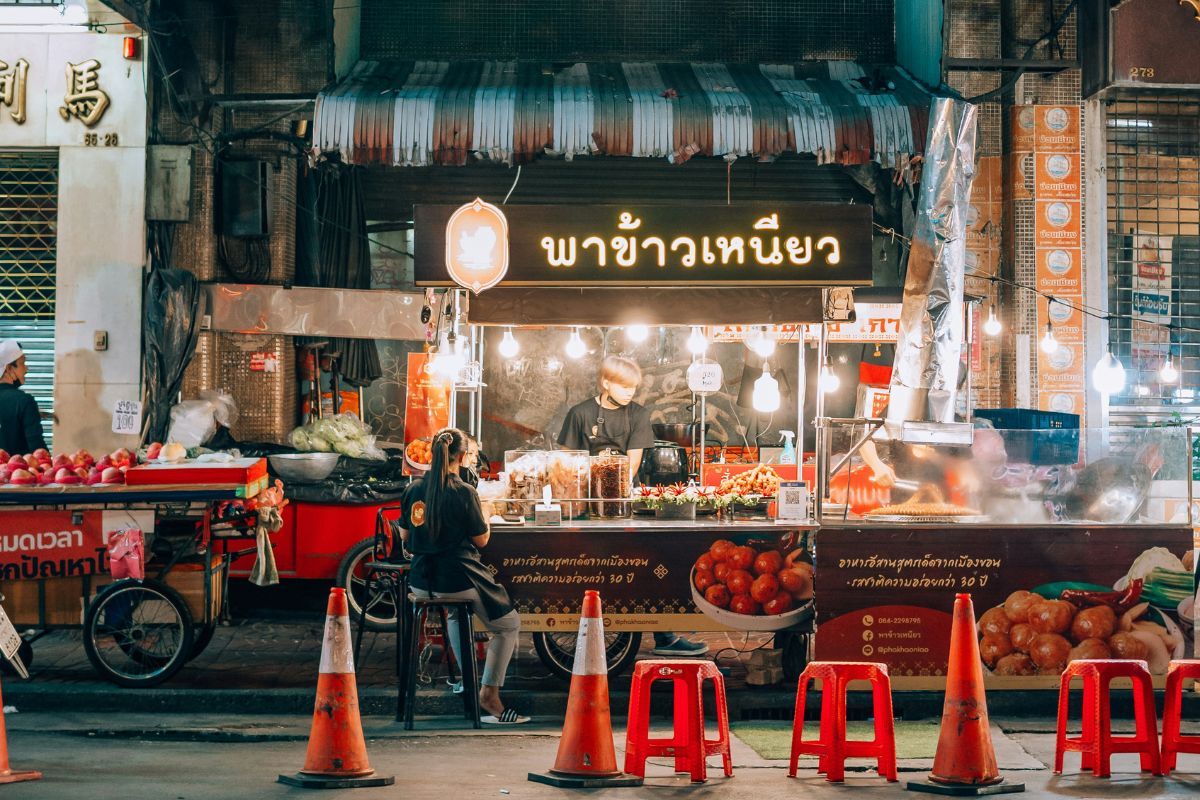
Cafés, Desserts & Coffee Culture in Bangkok
Bangkok has a vibrant café culture that goes far beyond quick coffee stops. In creative and residential neighborhoods, cafés double as social spaces, design showcases, and places to escape the heat. Café hopping is especially popular in the afternoon, when outdoor sightseeing becomes tiring.
Thai desserts play an important role in this scene. Many cafés and dessert shops specialize in coconut-based sweets, sticky rice desserts, and seasonal fruits, offering lighter alternatives to heavy meals. Bakeries and modern dessert cafés also blend Thai flavors with Western techniques, making them appealing even to travelers unfamiliar with traditional sweets.
Popular café and dessert areas include Thonglor, Ekkamai, Ari, and parts of Old Town, where you can easily combine cafés with walking, shopping, or gallery visits. These spots are ideal for slowing down the day and enjoying Bangkok at a more relaxed pace.
Special Food Needs & Preferences
Bangkok is one of the easiest cities in Southeast Asia to accommodate different dietary preferences and needs.
Vegetarian & Vegan: Plant-based cafés and health-focused restaurants are common in central areas like Sukhumvit, Ari, and Thonglor. Many Thai dishes can also be adapted by asking for no meat or fish sauce.
Halal Food: Halal restaurants are widely available, especially in Muslim neighborhoods such as Bang Rak, Silom, and areas near mosques. Thai-Muslim cuisine and Middle Eastern options are easy to find.
Seafood Lovers: Thanks to Thailand's coastal supply chains, Bangkok receives fresh seafood daily. Markets, seafood restaurants, and even street stalls serve prawns, crab, fish, and shellfish cooked in multiple styles.
Families: Food courts and casual restaurants are family-friendly, offering seating, air-conditioning, and a wide variety of dishes that suit different tastes and spice tolerances.
Travelers with specific needs will find Bangkok flexible, especially when dining in neighborhoods with diverse international communities.
Food Experiences Beyond Restaurants
Eating in Bangkok doesn't have to be limited to restaurants and street stalls. Food-focused experiences help travelers understand why Thai food tastes the way it does.
Food Tours introduce local neighborhoods, hidden stalls, and dishes you might not order on your own.
Thai Cooking Classes often start with a market visit, teaching you about ingredients before hands-on cooking.
Market Walks explain how locals shop, eat, and cook, adding cultural depth to everyday meals.
These experiences are especially valuable for first-time visitors who want context, not just calories. They also work well on days when the weather limits outdoor sightseeing.
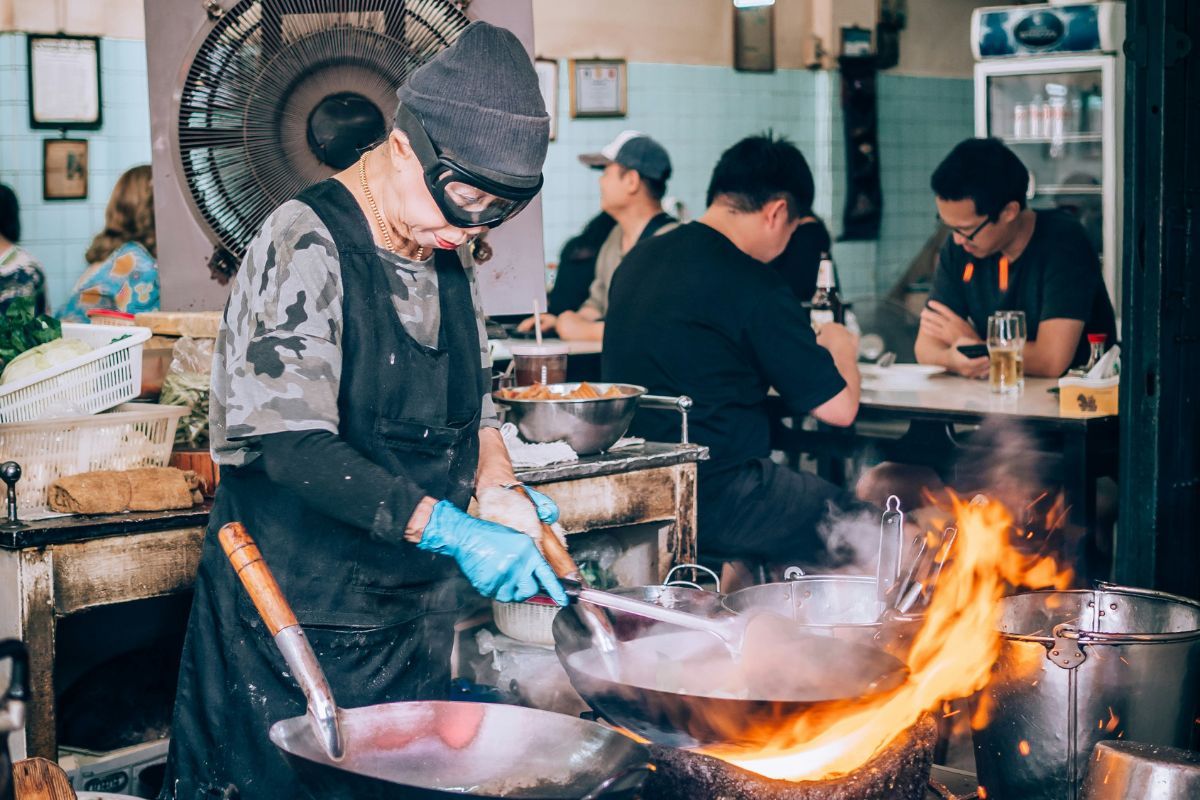
Michelin-Recommended Places to Eat in Bangkok
Bangkok's food scene spans humble street vendors recognized by the Michelin Guide and globally acclaimed fine-dining restaurants. These recommendations come from the official Michelin Guide Thailand list and related curated lists.
Michelin Starred Restaurants – World-Class Dining
These establishments have earned Michelin stars for exceptional quality, creativity, and culinary excellence. They're ideal for special occasions or food-focused travelers.
Sorn – A highly acclaimed restaurant specializing in Southern Thai cuisine, with three Michelin stars and a focus on regional ingredients and traditional techniques sourced from the south of Thailand.
Gaa – A two-Michelin-star restaurant offering modern Indian cuisine with Thai influences, known for imaginative tasting menus and seasonal creations in a restored Thai house.
(Bangkok's Michelin Guide also lists other starred fine-dining venues covering global cuisines and innovative Thai fine dining --- check the official Michelin Guide website for the most current list.)
Michelin Bib Gourmand & Street Food – Authentic and Affordable
The Michelin Guide also highlights Bangkok's best value-for-money restaurants and street food stalls through its Bib Gourmand and street food selections. These places are celebrated for quality food at accessible prices and are perfect for everyday meals.
Classic Street Food & Local Favorites
Jay Fai – Bangkok's most famous street hawker, awarded a Michelin star for her wok-cooked seafood dishes and iconic crab omelette. Expect bold flavors and premium ingredients.
K. Panich – Recognized in Michelin street food picks for classic local dishes with deep-rooted flavor.
Boonlert Egg noodle (Pom Prap Sattru Phai) – A traditional stall featured in the Michelin Guide for its authentic offerings.
Tang Sui Heng (Banthat Thong Road) – Part of the Michelin street food list, known for local favorites along this vibrant street.
Somsak Pu Ob (Charoen Rat) – Another street food vendor highlighted by the Guide for punchy, satisfying dishes.
Bib Gourmand Value Spots
These restaurants consistently deliver high-quality food under moderate prices:
Pad Thai Fai Ta Lu – Famous for its traditional Pad Thai and included in the Bib Gourmand list.
Thai Tham – Celebrated for authentic Thai dishes with superb flavor.
Ten Suns – Known for creative, well-executed local food.
Bokkia Tha Din Daeng and Urai Braised Goose – Local favorites with bold, satisfying flavors.
Rung Rueang Tung Pork Noodle and Keawloon – Bib Gourmand noodle and Thai comfort food spots with excellent local reputations.
The Bib Gourmand list is updated regularly (with dozens of venues across Bangkok recognized in recent years), showcasing the diversity of Thai comfort food and regional specialties prepared with care.
Tips for Where to Eat in Bangkok
1. Eat by neighborhood, not by hype
Bangkok's best food is clustered by area. Choose one food-focused neighborhood per meal (e.g., Chinatown at night, Old Town by day) instead of chasing single viral spots across the city.
2. Follow locals and turnover
Busy stalls and packed local restaurants usually mean fresher ingredients and consistent flavors. High turnover is a better signal than online reviews.
3. Match meals to the time of day
Eat street food and markets in the evening when it's cooler. Choose air-conditioned restaurants or food courts during hot afternoons.
4. Mix budgets for the best experience
Combine cheap street food, mid-range local restaurants, and one special dining experience. Bangkok's ""cheap eats"" are often outstanding.
5. Use food courts strategically
Mall food courts are clean, affordable, and varied. They're great for first-time visitors easing into Thai flavors or escaping heat and rain.
6. Don't fear street food hygiene
Choose stalls where food is cooked to order in front of you. Avoid items sitting out for long periods.
7. Adjust spice levels early
Ask for less spice at first and increase gradually. Thai food can be much spicier than expected.
8. Carry small cash
Most street stalls and markets are cash-only. Small notes speed things up during busy hours.
9. Plan food around sightseeing
Pair meals with nearby attractions to avoid long walks and traffic. Food breaks work best as part of your route, not detours.
10. Try one guided food experience
A food tour, cooking class, or market walk adds context and helps you discover places you'd likely miss on your own.
The best way to eat in Bangkok is to mix experiences. Combine street food with local restaurants and one special dining experience. Explore by neighborhood rather than chasing famous names. Food is one of the most rewarding ways to understand Bangkok's culture, pace, and personality.
For deeper planning, explore related guides on things to do in Bangkok, Bangkok itineraries, and the best time to visit Bangkok to match your food plans with the right neighborhoods and seasons.
FAQs – Where to Eat in Bangkok
What food is Bangkok famous for?
Bangkok is famous for Pad Thai, boat noodles, som tam (papaya salad), Thai curries, grilled meats and seafood, and mango sticky rice, available everywhere from street stalls to restaurants.
Is street food in Bangkok safe to eat?
Yes, street food in Bangkok is generally safe. Choose busy stalls with high turnover, where food is cooked fresh to order, and avoid items that have been sitting out too long.
Where is the best area for street food in Bangkok?
Top street food areas include Chinatown (Yaowarat) for night eats, Victory Monument for boat noodles, Bang Rak and Silom for local lunch spots, and Chatuchak Market on weekends.
What are the best food markets in Bangkok?
Popular food markets include Chatuchak Weekend Market, Or Tor Kor Market, Sam Yan Market, Wang Lang Market, and night markets like Jodd Fairs.
Are there Michelin-recommended places to eat in Bangkok?
Yes. Bangkok has Michelin-starred restaurants, Bib Gourmand eateries, and Michelin-listed street food stalls, offering both fine dining and affordable local favorites.
Where should first-time visitors eat in Bangkok?
First-time visitors should mix street food, night markets, local Thai restaurants, and one Michelin-recommended or riverside dining experience for a balanced food experience.
Is Bangkok good for vegetarian or vegan food?
Yes. Bangkok has many vegetarian and vegan cafés, especially in Sukhumvit, Ari, and Thonglor, and many Thai dishes can be adapted without meat or fish sauce.
Where can I find halal food in Bangkok?
Halal food is widely available in Bang Rak, Silom, and areas near mosques, with Thai-Muslim cuisine and Middle Eastern restaurants easy to find.
How much does food cost in Bangkok?
- Street food: very affordable
- Local restaurants: moderate prices with good portions
- Fine dining: higher prices focused on experience and atmosphere
- Bangkok offers excellent value at every level.
When is the best time of day to eat out in Bangkok?
Street food and markets are best in the evening, while air-conditioned restaurants and food courts are more comfortable during hot afternoons.
Should I book restaurants in advance?
For Michelin-starred and popular restaurants, reservations are recommended. Street food and local eateries usually don’t require booking.
What mistakes should travelers avoid when eating in Bangkok?
Avoid only eating in tourist zones, skipping night markets, underestimating spice levels, and trying to visit too many food spots in one day.