If you're planning a trip to Bangkok, one of the most practical questions is whether you can safely drink tap water.
Here's the clear answer: Bangkok's tap water is treated and meets international standards at the source, but it is not recommended to drink directly from the tap.
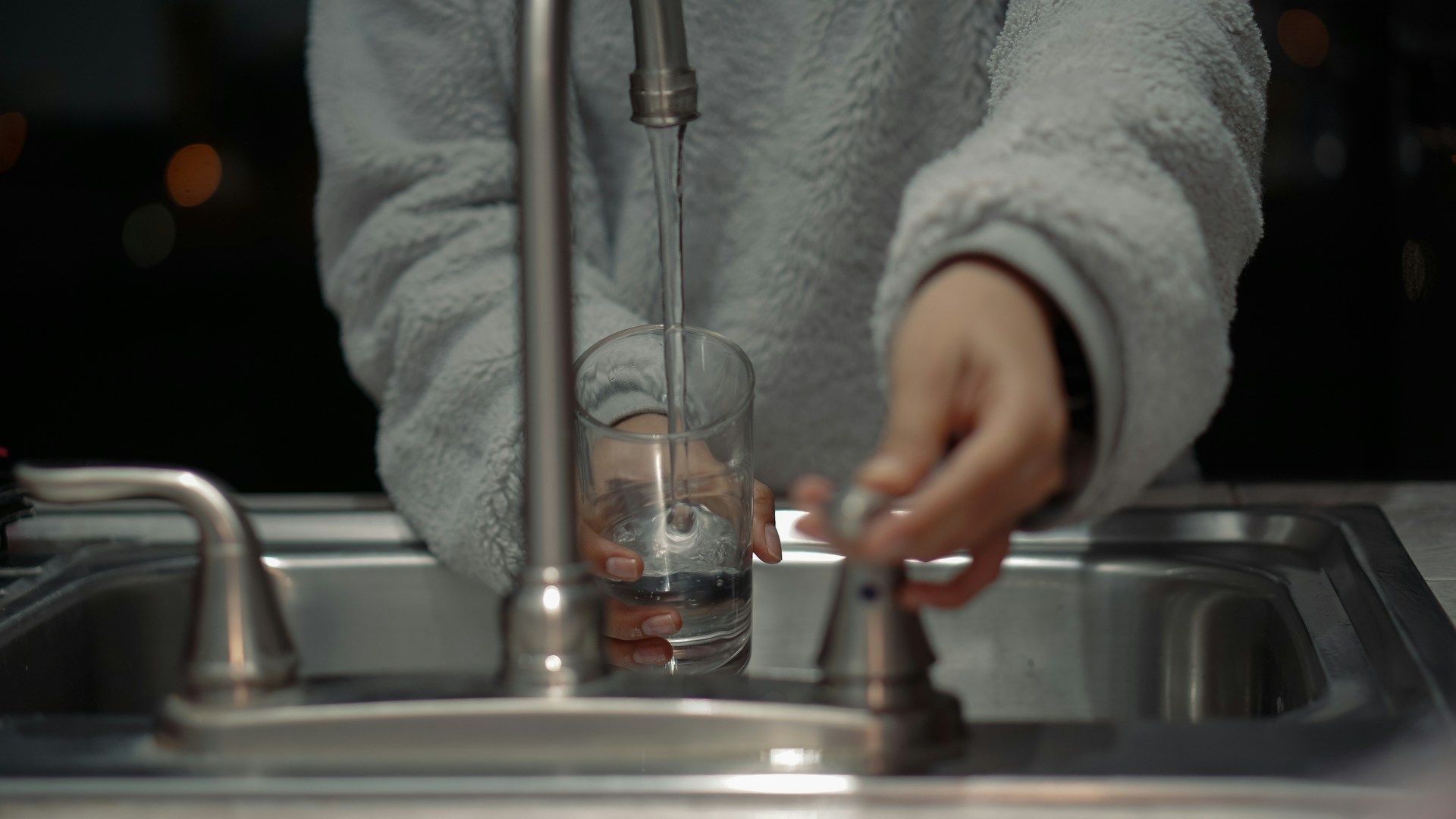
For everyday use, tap water is generally safe for showering, washing, and even brushing your teeth. However, when it comes to drinking, both locals and travelers usually rely on bottled or filtered water.
The reason is not the treatment process itself, but what happens after the water leaves the plant. In this guide, we'll break down the real risks, explain why there's so much confusion, and show you the safest and most practical ways to stay hydrated in Bangkok.
Is Tap Water in Bangkok Safe to Drink?
The Short Answer
Tap water in Bangkok is treated to a high standard and is technically safe at the treatment plant level. However, it is not considered reliably safe to drink straight from the tap, especially for visitors.
Why There Is Confusion
You'll often see conflicting advice online. Some sources claim the water is safe, while others strongly warn against it.
This confusion comes from a key distinction:
- At the source: Water is clean and meets quality standards
- At the tap: Quality may vary due to infrastructure and storage
Local behavior reflects this reality. Even though the water is treated, most residents do not drink it directly without additional filtration.
Why You Should Avoid Drinking Tap Water in Bangkok
Aging Pipe Infrastructure
Once water leaves the treatment plant, it travels through an extensive network of pipes. Some of these pipes are:
- Old or corroded
- Exposed to environmental contaminants
- Not consistently maintained
This means water quality can degrade before it reaches your tap.
Risk of Bacteria and Contaminants
During distribution, water can pick up:
- Bacteria or microorganisms
- Sediment and particles
- Trace heavy metals
While these may not always cause serious illness, they can lead to stomach discomfort, especially for travelers.
Building-Level Water Tanks
In many buildings across Bangkok, water is stored in rooftop or underground tanks before being distributed to rooms.
The issue is:
- Cleaning schedules vary widely
- Maintenance is not always consistent
- Water can stagnate in poorly managed tanks
This creates an additional layer of uncertainty, even if the supply is clean at the municipal level.
Sensitive Stomach for Travelers
Even if the water meets safety standards, your body may not be used to local microorganisms.
This is why travelers sometimes experience:
- Mild stomach discomfort
- Digestive issues
- Temporary illness
It's not always about "unsafe water," but about your body adapting to a different environment.
Is Tap Water Safe for Other Uses?
Brushing Teeth
For most visitors, brushing teeth with tap water in Bangkok is generally safe.
However:
- If you have a sensitive stomach, use bottled water
- Avoid swallowing water while brushing
Showering and Washing
Tap water is completely safe for:
- Showering
- Washing your face
- Cleaning clothes
There is no health concern for external use.
Cooking or Making Coffee
Boiling tap water makes it safer by killing bacteria and viruses. This is commonly used for:
- Instant noodles
- Tea or coffee
However, boiling does not remove:
- Heavy metals
- Chemical residues
Do Locals Drink Tap Water in Bangkok?
Most locals in Bangkok do not drink tap water directly.
Instead, they rely on:
- Bottled water for daily consumption
- Home filtration systems in apartments and houses
- Water refill stations for affordable filtered water
This widespread behavior is a strong indicator of real-world practice.
Safe Drinking Water Options in Bangkok
Bottled Water
The most common and convenient option:
- Available everywhere, from convenience stores to street vendors
- Very affordable
- Provided daily in most hotels
Filtered Water
Many accommodations offer:
- In-room bottled water
- Shared water dispensers
Long-term residents often install filtration systems that improve water quality for drinking and cooking.
Water Refill Stations
You'll find refill machines in residential areas:
- Low cost per liter
- Widely used by locals
- Environmentally friendly alternative
Bring your own bottle to use them.
Boiled Water
Boiling is a traditional method:
- Effective against bacteria
- Easy to do in hotels with kettles
But remember, it does not address chemical contaminants.
Can You Make Tap Water Safe to Drink?
Water Filtration Systems
A proper system usually includes:
- Sediment filters (remove particles)
- Carbon filters (improve taste and remove chemicals)
- UV filters (kill microorganisms)
This combination significantly improves safety and taste.
Portable Filters
For travelers staying longer:
- Filter bottles
- Portable purifiers
These are convenient if you want to reduce reliance on bottled water.
Is Ice in Bangkok Safe?
In most restaurants and cafés in Bangkok, ice is generally safe.
Why:
- Produced in commercial factories
- Made from treated water
- Delivered in sealed bags
Look for ice with a hole in the center, which usually indicates factory production.
Tap Water in Bangkok vs Other Cities
Compared to rural areas in Thailand:
- Bangkok's water quality is significantly better
Compared to developed countries:
- Infrastructure consistency is lower
- End-point reliability is less predictable
This is why travelers are advised to take precautions.
Common Myths About Bangkok Tap Water
"It's Completely Unsafe"
Not true. The water is safe at the treatment level, but reliability decreases before it reaches your tap.
"Boiling Makes It Perfectly Safe"
Boiling removes biological risks but does not eliminate heavy metals or chemical contaminants.
"Everyone Drinks It"
In reality, most locals avoid drinking tap water directly and prefer filtered or bottled alternatives.
Tips for Travelers
- Always carry bottled water when exploring
- Use hotel-provided drinking water whenever possible
- Avoid swallowing tap water accidentally
- Check bottle seals before drinking
- Consider refill stations or filters for longer stays
Final Verdict: Should You Drink Tap Water in Bangkok?
Tap water in Bangkok is safe at the source but not consistently reliable at the tap.
The safest approach is simple:
- Avoid drinking it directly
- Use bottled or properly filtered water
Given how affordable and accessible clean drinking water is in Bangkok, it's easy to stay safe without taking unnecessary risks.
While tap water in Bangkok is safe for everyday use, it’s best to stick to bottled or filtered water for drinking to stay on the safe side. With that sorted, you can focus on planning the rest of your trip. For more tips on where to stay, what to do, and how to explore the city, check out our complete Bangkok travel guides.