Bangkok is a year-round destination, but the best time to visit depends on weather comfort, crowd levels, festivals, and budget. While the city never truly shuts down, different months offer very different travel experiences.
Some travelers prefer cooler weather for sightseeing, others plan trips around festivals like Songkran or Loy Krathong, while budget travelers may prioritize lower hotel prices and fewer crowds. This guide explains Bangkok’s seasons in detail so first-time visitors can choose the best time to visit based on their travel style.
When Is the Best Time to Visit Bangkok?
Peak season:* November to February (best weather, busiest period)
Shoulder season: March and November (mixed weather, fewer crowds)
Low season: May to October (rainy season, best value)
Bangkok’s Climate
Tropical Climate Explained
Bangkok has a tropical climate, which means the city is warm, humid, and generally sunny all year round. Unlike destinations with four distinct seasons, Bangkok experiences three main seasons, each affecting travel conditions differently:
Cool Season (November to February)
This is the most comfortable period, with slightly lower temperatures, reduced humidity, and very little rainfall. It’s ideal for walking, sightseeing, and outdoor activities.
Hot Season (March to May)
Temperatures rise sharply, and humidity increases. Days can feel intense, especially for visitors not used to tropical heat. Outdoor sightseeing is best planned early in the morning or in the evening.
Rainy (Monsoon) Season (May to October)
Characterized by higher humidity and frequent rain showers, usually short and heavy rather than constant. While outdoor plans may need flexibility, many attractions remain accessible.
Throughout the year, temperatures rarely drop low, so weather differences in Bangkok are mostly about how hot it feels, how humid the air is, and how often it rains, rather than cold conditions.
Average Temperatures in Bangkok
Bangkok maintains consistently warm temperatures year-round. Daytime temperatures typically range between 26°C and 35°C, while evenings remain warm, especially in central areas with dense buildings and traffic.
Humidity plays a major role in how the weather feels. Even on days when temperatures are not extremely high, high humidity can make walking, sightseeing, and outdoor activities feel more tiring, particularly for first-time visitors or travelers coming from cooler climates. This is why pacing, hydration, and shade breaks are important when exploring the city.
Understanding Bangkok’s climate helps travelers plan their days more effectively, choose the right activities for each season, and pack appropriately for a comfortable trip.
Best Time to Visit Bangkok for Good Weather (Peak Season)
November to February: Cool & Dry Season
The period from November to February offers the most pleasant and predictable weather in Bangkok, making it the best time to visit, especially for first-time travelers. Temperatures are slightly lower than the rest of the year, humidity is reduced, and rainfall is minimal. Mornings and evenings feel noticeably cooler, which makes long days of sightseeing much more comfortable.
During this season, walking around outdoor attractions feels easier, and travelers can enjoy the city without constantly seeking air-conditioned spaces. The comfortable climate allows visitors to fully experience Bangkok’s historic areas, riverfronts, and open-air venues.
Why This Is the Most Popular Time
Thanks to the favorable weather, travelers can comfortably enjoy many of Bangkok’s top experiences, including:
- Temple visits and outdoor sightseeing, where walking and standing outdoors is unavoidable
- Walking tours in Old Town, exploring heritage streets, markets, and museums
- River cruises along the Chao Phraya River, offering scenic views and cooler breezes
- Rooftop dining, night markets, and evening street food, which are far more enjoyable without heavy heat or rain
This season also makes itinerary planning easier, as there is less risk of weather-related disruptions. Tours operate reliably, river traffic runs smoothly, and outdoor attractions are accessible throughout the day.
Things to Consider
The popularity of this season does come with a few trade-offs:
- Hotel prices are at their highest, especially in central and riverside areas
- Major attractions can be crowded, particularly during holidays and weekends
- Flights and accommodations should be booked well in advance to secure availability and better rates
Despite these factors, the cool and dry season remains the least stressful and most beginner-friendly time to visit Bangkok. For travelers visiting the city for the first time, the comfort, convenience, and ease of travel during these months often outweigh the higher costs and crowds.
Best Time to Visit Bangkok for Festivals & Events
Bangkok hosts some of Thailand’s most important and visually stunning festivals. Visiting during festival periods offers a deeper cultural experience, but travelers should be prepared for crowds, schedule changes, and a very different city atmosphere compared to normal travel periods.
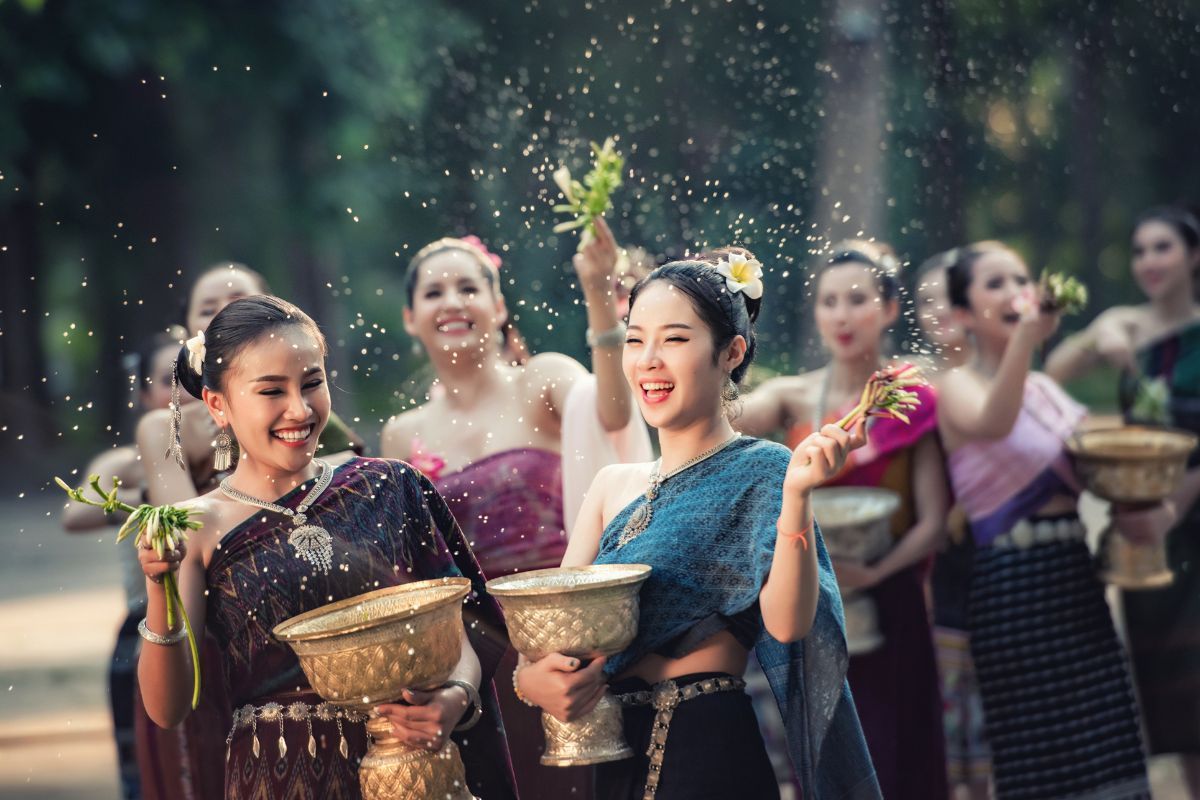
1. April: Songkran (Thai New Year)
Songkran, celebrated in mid-April, marks the Thai New Year and is Thailand’s most famous festival. What began as a traditional water-pouring ritual for cleansing and good luck has evolved into a city-wide water celebration. In Bangkok, entire streets turn into large water-fight zones, with locals and visitors taking part using buckets, water guns, and hoses.
What travelers should expect:
- A high-energy, festive atmosphere across major streets and neighborhoods
- Street closures, heavy traffic, and limited transport, especially in central areas
- Very hot weather, made more manageable by constant water activities
Songkran is unforgettable and fun for travelers who enjoy festivals and social energy. However, it can feel overwhelming for first-time visitors seeking a calm sightseeing experience, as temples, shops, and transport schedules may be disrupted during the celebrations.
Who it’s best for: Festival lovers, younger travelers, and those who want a once-in-a-lifetime cultural experience rather than traditional sightseeing.
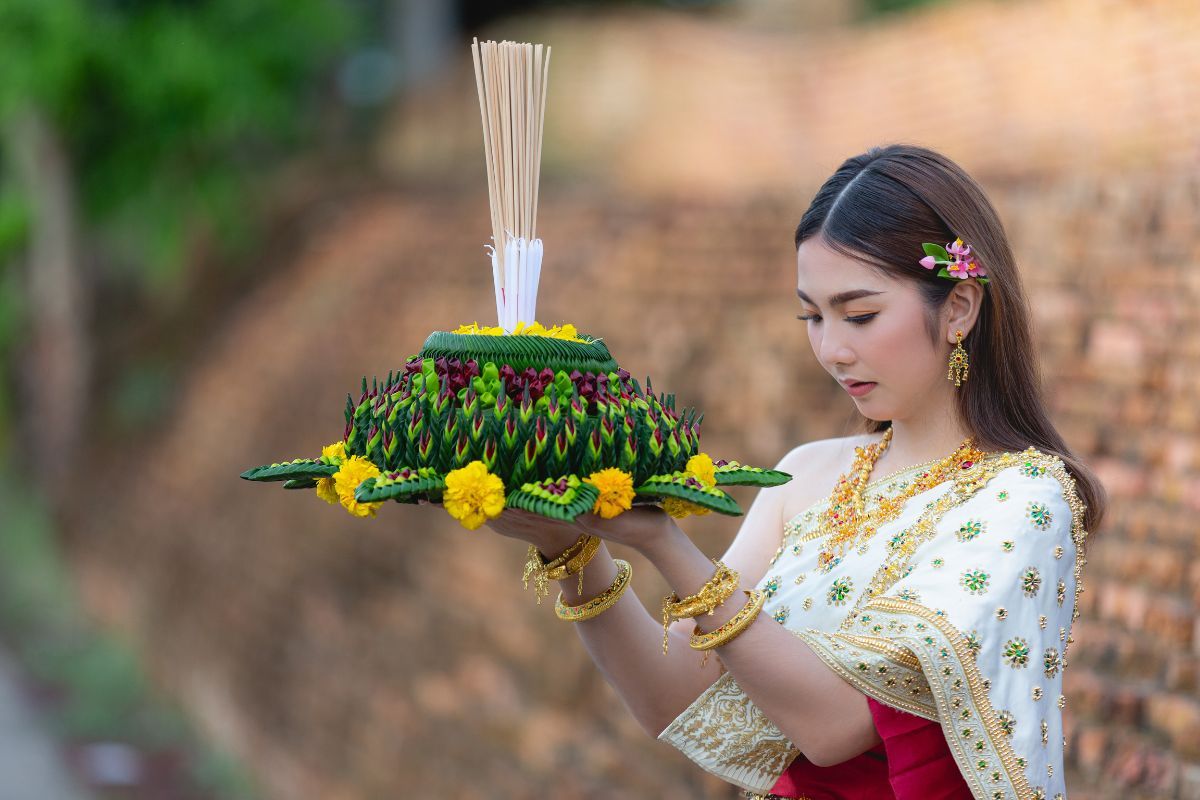
2. November: Loy Krathong
Loy Krathong is one of Thailand’s most romantic and visually beautiful festivals, usually held in November. During the festival, people float decorated lanterns (krathongs) on rivers and canals to give thanks to the water spirits and release bad luck.
In Bangkok, Loy Krathong is best experienced along the Chao Phraya River and major waterways, where candlelit floats, cultural performances, and light displays create a peaceful and festive atmosphere.
What travelers should expect:
- A calmer, more cultural celebration compared to Songkran
- Crowds near riverside areas, but less disruption overall
- Cooler weather and pleasant evening conditions
This festival is ideal for couples, photographers, and travelers interested in Thai traditions and symbolic rituals. Many hotels and river cruises offer special viewing opportunities, making it a popular time for romantic trips.
Who it’s best for: Couples, cultural travelers, photographers, and visitors seeking a meaningful festival experience without extreme crowds.
Planning Tips for Festival Travel
- Book accommodation early, especially near riverside areas during Loy Krathong
- Expect higher prices and limited availability during major festivals
- Be flexible with sightseeing plans during Songkran due to road closures
- Protect electronics and valuables if visiting during water-based celebrations
Visiting Bangkok during festivals offers a unique and memorable experience, but choosing the right festival depends on whether you prefer high-energy celebrations or cultural, scenic traditions.
Best Time to Visit Bangkok for Budget Travelers
May to October: Low Season
From May to October, Bangkok enters its low season, making it the best time to visit for budget-conscious travelers. During these months, demand from international tourists drops, leading to noticeably lower prices across flights, hotels, and tours.
Travelers can often find:
- Significantly reduced hotel rates, even in central and upscale areas
- More flight deals and promotions from airlines
- Better value packages from OTAs, including flexible booking options
- Luxury hotels that are usually expensive during peak season may become surprisingly affordable, allowing budget travelers to enjoy higher-end stays at a lower cost.
What to Expect During the Rainy Season
The rainy season in Bangkok does not usually mean constant rain throughout the day. Instead, rainfall typically comes in short, heavy showers, most often in the late afternoon or evening. Mornings are frequently dry, making it possible to plan outdoor activities earlier in the day and move indoor activities to later hours.
While humidity remains high, rain showers often help cool the city, providing some relief from extreme heat.
Advantages of Visiting During Low Season
Despite the rain, visiting Bangkok during low season comes with several benefits:
- Lush greenery and fresher city scenery, especially around parks and rivers
- Cooler evenings, which are more comfortable for dining and night markets
- Easier reservations at popular restaurants, rooftop bars, and attractions
- Less crowded landmarks, allowing a more relaxed sightseeing experience
Many of Bangkok’s top attractions are also indoor or weather-resistant, including shopping malls, museums, cafés, cooking classes, spas, and food tours. This makes the city surprisingly easy to explore even when rain is part of the daily forecast.
Who Low Season Is Best For
- The low season is ideal for travelers who:
- Want to save on accommodation and flights
- Prefer fewer crowds and a slower travel pace
- Are flexible with daily plans and comfortable adjusting activities around weather
With thoughtful planning, Bangkok’s low season offers excellent value and a more relaxed experience, making it a strong choice for budget travelers and longer stays.
Best Time to Visit Bangkok by Travel Style
Choosing the best time to visit Bangkok depends largely on how you plan to experience the city. Weather, crowd levels, events, and budget all affect different travel styles in different ways.
For First-Time Visitors
For first-time travelers, November to February is the most recommended period to visit Bangkok. During these months, the weather is cooler, drier, and more comfortable for walking and outdoor sightseeing. Lower humidity and minimal rainfall make it easier to explore temples, markets, neighborhoods, and riverfront areas without feeling exhausted.
This season is also the easiest time to plan a well-rounded itinerary, as tours run reliably and weather disruptions are rare. While prices are higher and attractions can be busier, the overall experience is smoother and less stressful for newcomers to the city.
For Festival Lovers
Travelers who want to experience Bangkok at its most vibrant should plan their visit around major festivals:
April (Songkran): Bangkok transforms into a city-wide celebration with water fights, street parties, and cultural rituals marking the Thai New Year. It’s energetic, fun, and unforgettable, but also crowded and chaotic, with traffic disruptions and limited sightseeing during peak days.
November (Loy Krathong): This festival offers a calmer, more romantic atmosphere. Floating lanterns, candlelit ceremonies, and riverside celebrations create a beautiful cultural experience, especially along waterways and near temples.
Festival travel is best for travelers who prioritize cultural immersion and memorable moments over structured sightseeing.
For Shoppers & City Explorers
Bangkok is a year-round destination for shopping, dining, and urban exploration. Large shopping malls, cafés, museums, rooftop bars, and food courts operate regardless of season, making the city suitable at any time of year.
Even during the rainy season, travelers can comfortably enjoy indoor attractions and nightlife. For this travel style, weather is less critical, and itinerary flexibility allows visitors to explore Bangkok’s modern city life at their own pace.
For Budget & Long-Stay Travelers
For travelers focused on value, longer stays, or a slower pace, May to October is the best time to visit. This period offers lower hotel rates, frequent flight deals, and fewer crowds. While rain is more common, it usually comes in short bursts and rarely disrupts an entire day.
Lower demand also means better availability for accommodation, dining, and experiences. Budget travelers and digital nomads often find this season ideal for experiencing Bangkok more affordably and comfortably over a longer stay.
Month-by-Month Breakdown of Bangkok Weather
1. January-February: Cool, Dry, and Comfortable
These are the most pleasant months to visit Bangkok. Temperatures are relatively mild, humidity is lower, and rainfall is minimal. Days are ideal for temple visits, walking tours, markets, and outdoor sightseeing, while evenings are comfortable for river cruises and rooftop dining. This period is very popular, so expect higher prices and more crowds.
2. March: Temperatures Start Rising
March marks the transition into hotter weather. Rain is still rare, but daytime temperatures climb noticeably, especially in the afternoon. Sightseeing is best done early in the morning or later in the evening. It’s still a good time to visit if you can pace your itinerary and include indoor attractions.
3. April: Peak Heat and Songkran Festival
April is typically the hottest month of the year, with intense heat and high humidity. This is also when Songkran (Thai New Year) takes place, bringing city-wide water celebrations. While the heat can be challenging, the festival atmosphere is lively and memorable. Travelers should expect traffic disruptions, crowds, and adjusted sightseeing plans.
4. May-June: Start of the Rainy Season
Rainy season begins, but showers are usually short and heavy, often in the late afternoon or evening. Mornings are frequently dry, making it possible to plan outdoor activities earlier in the day. Hotel prices start to drop, and crowds thin out, making this a good period for value-focused travelers.
5. July-September: Regular Rain but Fewer Tourists
These months see more consistent rainfall and higher humidity. However, rain rarely lasts all day, and indoor attractions such as shopping malls, museums, cafés, and food tours remain easy to enjoy. With fewer international tourists, Bangkok feels less crowded and more relaxed, and accommodation deals are common.
6. October: Rain Tapers Off, Weather Improves
October is a transition month, with rain gradually decreasing and temperatures becoming more comfortable. The city begins to dry out, greenery is at its lushest, and tourist numbers slowly increase. It’s a good balance between improving weather and better prices before peak season begins.
7. November-December: Cooler Weather and Festive Atmosphere
These months mark the return of the cool and dry season. Humidity drops, rainfall is low, and sightseeing becomes comfortable again. November often features Loy Krathong, while December brings holiday decorations and events. This is one of the best times to visit Bangkok, though prices and demand rise quickly.
Best Time to Visit Bangkok Attractions
Different attractions in Bangkok are best enjoyed at different times of the year. Understanding this helps travelers plan their itinerary more comfortably and avoid unnecessary fatigue.
1. Temples & Outdoor Sightseeing: November to February
This is the best period for outdoor attractions such as temples, historic sites, and walking tours. Cooler temperatures, lower humidity, and minimal rainfall make it easier to explore major landmarks like the Grand Palace, Wat Arun, and Old Town on foot. Long sightseeing days are more comfortable, and photography conditions are better thanks to clearer skies.
2. River Cruises: November to March
River cruises are most enjoyable during the cooler and drier months, when evenings are pleasant and river conditions are calm. This is an ideal time to experience sunset or dinner cruises along the Chao Phraya River, combining sightseeing with dining and city views. These months also coincide with festivals and holiday decorations, adding to the atmosphere.
3. Shopping, Food Tours & Nightlife: Year-Round
Bangkok’s shopping malls, food tours, markets, and nightlife operate all year, making them less dependent on weather. Air-conditioned malls, indoor restaurants, and evening activities remain comfortable even during hot or rainy months. This makes Bangkok a strong destination for city exploration regardless of season.
4. Museums & Indoor Attractions: Ideal During Hot or Rainy Months
During the hot season (March-May) or rainy season (May-October), indoor attractions become especially appealing. Museums, galleries, cafés, cooking classes, and cultural centers offer a break from heat and rain while still providing meaningful experiences. Planning indoor activities during midday hours helps balance comfort and sightseeing.
Bangkok Travel Tips by Season
What to Pack
Packing appropriately for Bangkok’s climate can greatly improve comfort, especially for travelers visiting for the first time.
Cool Season (November-February)
Lightweight, breathable clothing is ideal, along with comfortable walking shoes for temple visits and sightseeing. Evenings can feel slightly cooler, so a light layer may be useful. Modest clothing is recommended for temples.
Hot Season (March-May)
Choose breathable fabrics such as cotton or linen to stay cool. Sun protection is essential, including sunscreen, sunglasses, and a hat. Comfortable sandals and moisture-wicking clothing help manage heat during long days outdoors.
Rainy Season (May-October)
Pack a compact umbrella or lightweight rain jacket for sudden showers. Quick-dry clothing and water-resistant footwear are helpful, especially if you plan to walk or use public transport. A small waterproof bag can protect electronics and valuables.
Safety & Comfort Tips
- Stay hydrated year-round, as Bangkok’s heat and humidity can cause dehydration quickly.
- Plan sightseeing during cooler hours, such as early mornings or evenings, especially in the hot season.
- Take regular breaks in air-conditioned cafés, malls, or museums to avoid heat exhaustion.
- Check weather and river conditions before booking river cruises, island trips, or outdoor activities, particularly during the rainy season.
Booking Advice
Book flights, hotels, and popular attractions early if traveling during peak season (November-February), as prices rise and availability fills quickly.
Look for promotions, discounts, and flexible booking options during the low season (May-October), when hotels and OTAs often offer better value and more generous cancellation policies.
Once you’ve decided when to visit Bangkok, the next step is choosing where to stay in Bangkok. Different seasons affect crowd levels, prices, and daily travel comfort, which makes location especially important. To find the best neighborhoods and hotel areas that match your travel style and timing, read our full guide on where to stay in Bangkok.
FAQs – Best time to visit Bangkok
When is the best time to visit Bangkok?
The best time to visit Bangkok is from November to February, when the weather is cooler, drier, and more comfortable for sightseeing and outdoor activities.
What is the hottest month in Bangkok?
April is usually the hottest month, with high temperatures and humidity. It coincides with the Songkran festival, which includes water celebrations that help cool things down.
Is Bangkok worth visiting during the rainy season?
Yes. From May to October, rain usually comes in short, heavy showers rather than all-day rain. Hotels and flights are cheaper, crowds are smaller, and indoor attractions remain easy to enjoy.
What is the cheapest time to visit Bangkok?
The low season from May to October is the cheapest time to visit Bangkok, offering better hotel deals, flight discounts, and fewer tourists.
When is the best time to visit Bangkok for festivals?
Visit in April for Songkran (Thai New Year) or November for Loy Krathong, a cultural festival featuring floating lanterns along rivers and canals.
Is Bangkok crowded during peak season?
Yes. From November to February, popular attractions can be crowded, especially around holidays. Booking flights and hotels early is recommended.
Can I visit Bangkok year-round?
Yes. Bangkok is a year-round destination. Shopping, food tours, nightlife, and indoor attractions are available in every season.
What should I pack for Bangkok?
Pack light, breathable clothing year-round. Bring sun protection for hot months and a compact umbrella or rain jacket during the rainy season.
Is Bangkok suitable for first-time travelers year-round?
Yes, but November to February is the easiest time for first-time visitors due to comfortable weather and minimal disruptions.
How does the best time to visit affect where I should stay?
Weather and season affect prices and crowds, so choosing the right area matters. During peak season, central areas near BTS stations are convenient, while low season offers better value across more neighborhoods.