Bangkok is one of Southeast Asia’s most exciting cities, offering a mix of historic temples, vibrant street life, modern shopping districts, world-class food, and unique cultural experiences. This itinerary guide is designed to help you plan a smooth, enjoyable trip to Bangkok, whether you’re visiting for a short stopover or spending a full week exploring the city.
This guide is suitable for first-time visitors, couples, families, and budget travelers, and includes itinerary options for 2, 3, 4–5, and 7 days, along with practical planning tips.

Before You Go – Planning Your Bangkok Trip
Proper planning makes a big difference when visiting Bangkok, especially for first-time travelers. Understanding the best time to go, how to get around, and where to stay will help you follow this itinerary smoothly and avoid unnecessary stress.
Best Time to Visit Bangkok for This Itinerary
The most comfortable time to follow this itinerary is November to February, when Bangkok experiences its cool and dry season. During these months, temperatures are more manageable, humidity is lower, and rainfall is minimal. This makes outdoor sightseeing, temple visits, walking tours, and riverfront exploration far more enjoyable, especially if you plan to spend long hours outside.
If you’re visiting during the hot season (March to May), expect very high temperatures and humidity. To stay comfortable, plan sightseeing early in the morning, take breaks during midday, and prioritize air-conditioned attractions such as museums, shopping malls, and cafés in the afternoon.
During the rainy season (May to October), Bangkok remains a practical destination, but flexibility is key. Rain usually comes in short, heavy showers rather than all-day downpours. Many attractions stay open year-round, and indoor activities like food tours, markets, and cultural experiences are still easy to enjoy. Having a flexible daily plan allows you to adjust around weather conditions without missing out.
How to Get Around Bangkok
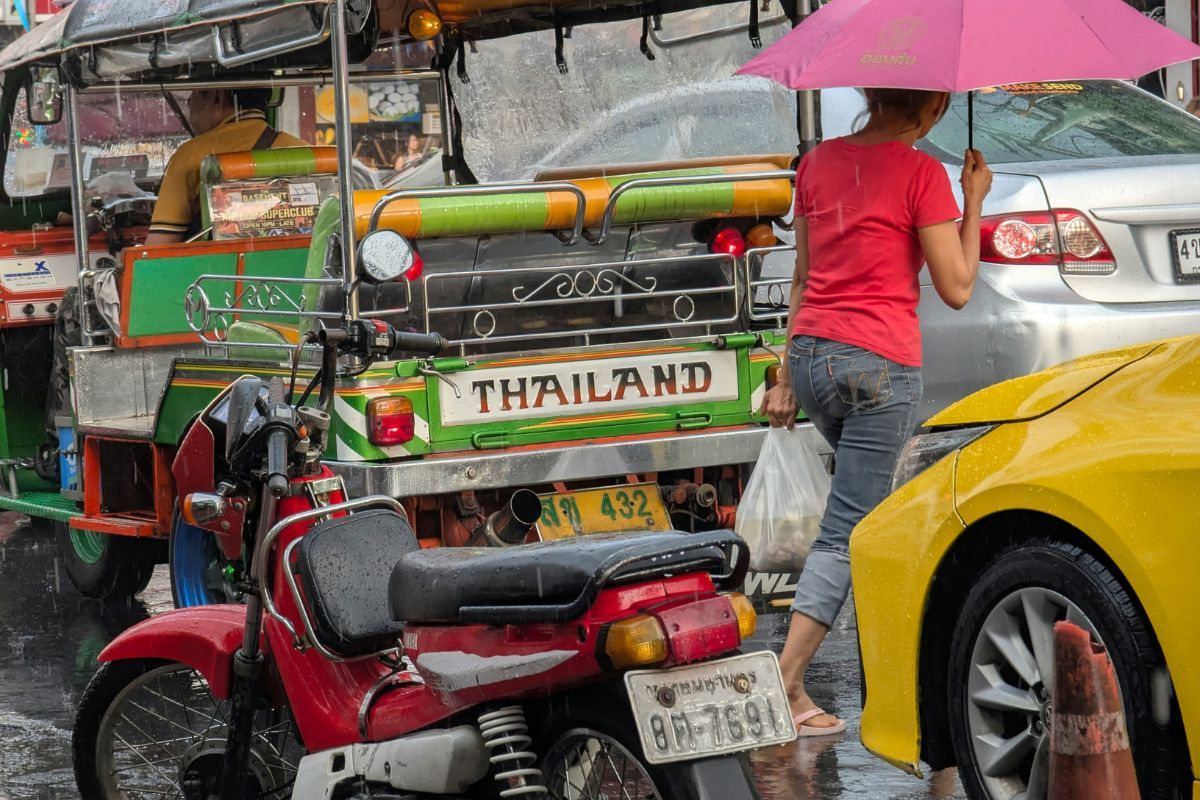
Bangkok is a large city, and traffic congestion is common, especially during rush hours. Using public transport is often the fastest and most reliable way to move between attractions.
The BTS Skytrain and MRT subway form the backbone of city transport, connecting major areas such as Sukhumvit, Siam, Silom, and shopping districts. They are air-conditioned, easy to use, and ideal for first-time visitors.
Taxis and ride-hailing services are convenient for short distances or late-night travel, but travel times can be unpredictable due to traffic. For riverside attractions and scenic travel, river ferries and boats offer an efficient and enjoyable alternative.
For attractions outside the city center or day trips, organized tours are often the easiest option, as they handle transportation, timing, and logistics.
Where to Stay for This Itinerary
Choosing the right area to stay can significantly reduce travel time and make your itinerary more enjoyable.
Sukhumvit is one of the best bases for first-time visitors. It offers extensive BTS access, a wide range of hotels for all budgets, and easy connections to shopping, dining, and nightlife.
Siam is ideal for travelers focused on shopping and central access. Its location at the heart of the transport network makes it convenient for families and visitors who prefer staying close to major attractions without nightlife crowds.
Riverside suits travelers looking for a more relaxed pace and scenic surroundings. With luxury hotels, river views, and ferry access to cultural landmarks, it’s especially popular with couples and luxury travelers.
By aligning the season, transport options, and accommodation area with this itinerary, you’ll be able to explore Bangkok comfortably and make the most of your time in the city. Explore more about Where to stay in Bangkok now!
Before diving into the Bangkok itinerary, it’s helpful to understand how the city works and how to plan your days effectively. Bangkok is a large, fast-paced city where distances, traffic, and weather can all impact your schedule, so a well-structured plan makes a big difference. This itinerary is designed to group attractions by area, balance sightseeing with rest, and adapt easily to different trip lengths and travel styles, helping you experience Bangkok’s highlights without feeling rushed.
2-Day Bangkok Itinerary (Short Stay / Stopover)
This 2-day itinerary is ideal if you’re visiting Bangkok on a short stopover or as part of a longer Thailand trip. It focuses on the city’s most iconic cultural sights on Day 1 and its modern, air-conditioned attractions on Day 2 to balance sightseeing and comfort.
Day 1 – Old Town & Temples
Start your trip in Bangkok’s historic Old Town, where many of the city’s most important landmarks are located close to each other.
Begin the morning at the Grand Palace, Bangkok’s most famous landmark and former royal residence. Take time to explore the complex and admire the architecture before crowds and heat build up. Nearby, visit Wat Pho, home to the impressive Reclining Buddha and one of the city’s most important temples.
From there, cross the river or walk to Wat Arun, known for its riverside location and ornate design. The area around these temples offers a glimpse into Bangkok’s religious and cultural heritage, making it an essential introduction for first-time visitors.
In the late afternoon or evening, slow the pace with a walk along the Chao Phraya River. End the day at a nearby night market or riverside dining area, where you can enjoy Thai street food, fresh seafood, and a lively local atmosphere without rushing between locations.
Day 2 – Modern Bangkok & Shopping
Day 2 highlights Bangkok’s modern side and is designed to be more relaxed, with plenty of indoor spaces.
Head to the Siam area to explore Bangkok’s major shopping and entertainment district. Malls such as Siam Paragon offer shopping, food courts, cafés, and attractions, making it easy to spend several hours indoors, especially during hotter parts of the day.
In the afternoon, you can continue shopping, enjoy a café break, or visit a nearby attraction before transitioning into the evening. For a different experience, consider crossing the river to ICONSIAM, which combines shopping, dining, and river views in one location.
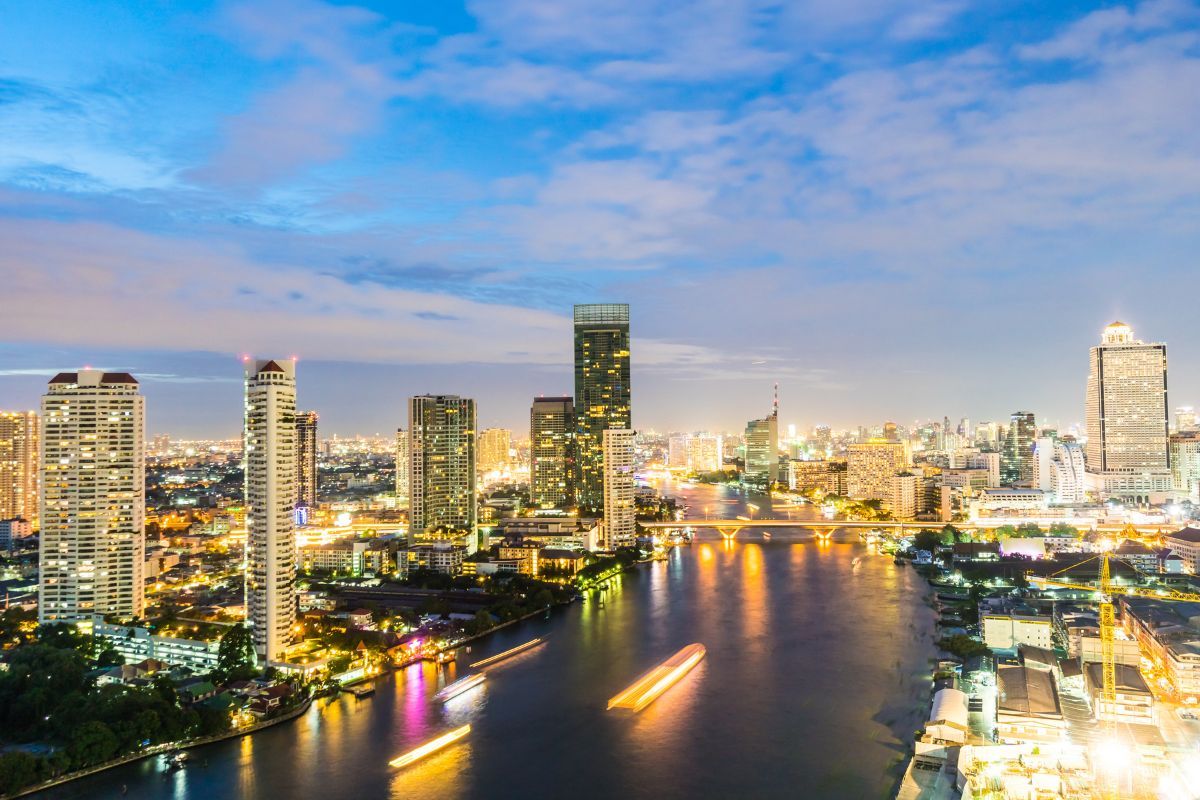
End your trip with a memorable evening experience, such as rooftop dining with skyline views or a river cruise that showcases Bangkok illuminated at night. This provides a relaxed and scenic conclusion to a short but well-rounded Bangkok visit.
3-Day Bangkok Itinerary (First-Time Visitors)
This 3-day itinerary is ideal for first-time visitors who want to experience Bangkok’s cultural heritage, riverside landmarks, and modern city life without rushing. Each day is structured around a specific theme to reduce travel time and avoid unnecessary backtracking.
Day 1 – Old Town Highlights
Start your trip in Bangkok’s historic Old Town, where the city’s most important cultural and religious landmarks are concentrated.
Begin early in the morning at the Grand Palace, the former royal residence and the most iconic attraction in the city. Allow sufficient time to explore the complex, as it is large and often crowded later in the day. Nearby, visit Wat Pho, famous for the Reclining Buddha and traditional Thai massage school.
After lunch, continue exploring the surrounding heritage streets, museums, or small cafés that showcase Bangkok’s historic character. Photography enthusiasts will appreciate the architecture, temple details, and street scenes found throughout the area.
In the late afternoon, cross the river to Wat Arun, one of Bangkok’s most striking temples, especially as the light softens toward sunset. End the day with a relaxed dinner near the river or in Old Town, keeping the evening low-key after a full day of walking.
Day 2 – River, Culture & Landmarks
Day 2 focuses on exploring Bangkok from the water, which offers both scenic views and efficient transport.
Use river boats along the Chao Phraya River to move between landmarks and neighborhoods. Traveling by river helps avoid traffic while giving a different perspective of the city. Along the way, stop at cultural attractions, riverside temples, or museums that interest you.
Midday is a good time to slow the pace with lunch at a riverside restaurant or café. In the afternoon, continue exploring nearby landmarks or cross the river to modern developments that contrast with Old Town’s historic feel.
In the evening, consider a river cruise or riverside dining experience, which combines sightseeing with dinner and offers beautiful views of Bangkok illuminated at night. This day is intentionally less rushed, allowing time to enjoy the city’s rhythm.
Day 3 – Shopping, Food & Night Markets
Your final day highlights Bangkok’s modern, energetic side, focusing on shopping, food, and nightlife.
Spend the morning and early afternoon in the Siam area, home to Bangkok’s major shopping districts and entertainment venues. Explore malls such as Siam Paragon or nearby shopping centers, which offer everything from international brands to food courts and cafés. This indoor-focused day is ideal for resting from the heat.
In the afternoon, enjoy a café break, spa session, or light sightseeing before transitioning into the evening. Bangkok truly comes alive at night, so plan to visit a night market for street food, local snacks, and casual shopping.
End your trip with a memorable evening experience, whether it’s exploring a lively market, enjoying rooftop drinks, or sampling Thai dishes at a popular local restaurant.
4-5 Day Bangkok Itinerary
This 4-5 day itinerary is ideal for travelers who want to go beyond the highlights and experience Bangkok at a more relaxed pace. It builds on the classic 3-day itinerary while adding local experiences, optional day trips, and time to slow down.
Days 1-3 – Follow the 3-Day Itinerary
Begin your trip by following the 3-Day Bangkok Itinerary for first-time visitors, covering Old Town temples, riverside landmarks, shopping districts, food experiences, and night markets. Spreading these highlights across three days allows you to explore comfortably, take breaks during hot hours, and enjoy evenings without feeling exhausted.
By the end of Day 3, you’ll have a strong understanding of Bangkok’s culture, history, food scene, and modern city life.
Day 4 – Local Experiences or Day Trip
Day 4 is designed for deeper cultural immersion or a change of scenery, depending on your interests.
You can choose one of the following options:
Historical Day Trip: Take a half- or full-day trip to Ayutthaya, Thailand’s former capital and a UNESCO World Heritage Site. Exploring temple ruins and historical parks offers valuable context to Bangkok’s history and is one of the most popular add-ons for visitors.
Floating Market Experience: Visit a floating market outside the city to see traditional canal-side commerce, sample local snacks, and experience a slower pace of life compared to central Bangkok.
Thai Cooking Class: Join a cooking class that typically includes a market visit followed by hands-on preparation of classic Thai dishes. This is a relaxed and rewarding way to learn about Thai food culture while taking a break from sightseeing.
In the evening, return to Bangkok for dinner, a casual night market visit, or a quiet café depending on your energy level.
Day 5 (Optional) – Slow Exploration & Relaxation
If you have a fifth day, use it as a flexible, low-pressure day to enjoy Bangkok at your own pace.
Good options include:
- Exploring local neighborhoods, cafés, or creative districts
- Spending time in parks or riverside areas for a calmer atmosphere
- Enjoying a Thai massage or spa experience to unwind before departure
- Revisiting a favorite area for shopping or dining
This extra day is especially valuable for travelers who want to avoid rushing, recover from heat, or simply enjoy Bangkok’s everyday rhythm.

7-Day Bangkok Itinerary (Slow Travel)
A 7-day itinerary is perfect for travelers who want to experience Bangkok without rushing, balance sightseeing with downtime, and include deeper cultural, food, and local experiences. This pace works especially well for couples, families, long-stay travelers, and anyone visiting Bangkok as a main destination rather than a short stopover.
Days 1-3 – City Highlights
Use the first three days to cover Bangkok’s essential attractions at a relaxed pace. This includes Old Town temples, riverside landmarks, shopping districts, and night markets. Spreading these highlights over three days allows you to start sightseeing early, take midday breaks during peak heat, and enjoy evenings without feeling exhausted.
By the end of Day 3, you’ll have a solid understanding of Bangkok’s history, culture, food scene, and modern lifestyle, setting a strong foundation for slower exploration in the days ahead.
Day 4 – History or Nature Day Trip
Dedicate Day 4 to a full-day excursion outside the city, offering a change of scenery and deeper context.
Popular options include:
- A historical trip to Ayutthaya, where you can explore temple ruins and learn about Thailand’s royal past
- A nature-focused escape to nearby parks, river areas, or countryside destinations
- A floating market or canal-based experience showcasing traditional ways of life
- These day trips are best done with organized tours or early departures to avoid traffic and maximize your time.
Day 5 – Food & Culture Focus
Bangkok is one of Asia’s great food cities, and Day 5 is dedicated to exploring it in depth. Join a guided food tour, explore local markets, or visit cultural neighborhoods known for traditional recipes and street food.
This day is also ideal for:
- Thai cooking classes
- Exploring Old Town beyond the main landmarks
- Visiting museums, galleries, or cultural centers
By slowing down and focusing on food and culture, you experience Bangkok in a more personal and memorable way.
Day 6 – Shopping, Spa or River Day
After several active days, Day 6 is designed for relaxation and enjoyment.
You can:
- Spend time shopping at major malls or local markets
- Enjoy a Thai massage or spa experience to unwind
- Take a scenic river cruise or spend time in riverside areas for a calmer atmosphere
- This day allows you to recharge while still enjoying Bangkok’s comforts and amenities.
Day 7 – Free Exploration & Departure
Use your final day for flexible, unstructured exploration. This is a great time to:
- Revisit favorite neighborhoods
- Do last-minute shopping or café hopping
- Enjoy a relaxed meal before departure
Keeping this day light helps avoid stress and allows room for spontaneous discoveries before leaving the city.
Bangkok Itinerary by Travel Style
Bangkok offers very different experiences depending on how you travel. Tailoring your itinerary to your travel style helps you move more efficiently, avoid fatigue, and focus on what matters most to you.
For First-Time Visitors
First-time visitors should focus on Bangkok's core landmarks and iconic experiences to understand the city's culture and layout.
A well-balanced itinerary includes:
Historic temples and cultural sites in Old Town, where many landmarks are located close together
Riverside attractions that showcase Bangkok's connection to the river and offer scenic transport
Central shopping areas such as Siam or Sukhumvit for easy navigation and dining
This approach keeps travel simple, minimizes backtracking, and provides a clear introduction to Bangkok's history, modern lifestyle, and food scene.
For Families
Families benefit from itineraries that prioritize comfort, convenience, and flexibility.
Key considerations include:
Easy-to-access attractions near BTS or MRT stations to reduce travel time
Indoor or shaded venues, such as museums, shopping malls, aquariums, and food courts, to escape heat
Shorter daily schedules with fewer attractions per day to avoid fatigue
Staying central and mixing sightseeing with rest breaks ensures a smoother experience for both children and adults.
For Couples
Couples often prefer itineraries that balance sightseeing with romantic and relaxed experiences.
Recommended highlights include:
Riverside dining and evening walks, offering scenic views and quieter moments
Rooftop bars and skyline views for memorable nights out
Cultural evenings or river cruises, which combine atmosphere with sightseeing
This style allows couples to enjoy Bangkok's energy while still creating intimate and special moments.
For Budget Travelers
Budget-focused itineraries emphasize value, efficiency, and local experiences.
A smart budget itinerary includes:
Free or low-cost attractions, such as temples, parks, and viewpoints
Public transport, including BTS, MRT, and river ferries, to avoid taxi costs
Night markets and street food, which offer affordable and authentic meals
Budget-friendly neighborhoods, where accommodation and dining costs are lower
This approach keeps daily expenses manageable while still covering Bangkok's highlights.
For Luxury Travelers
Luxury travelers can enjoy Bangkok through premium experiences and comfort-driven pacing.
A luxury itinerary often features:
Fine dining and chef-led restaurants
River cruises with dining or private seating
Spa and wellness experiences at high-end hotels
Private or small-group tours for landmarks and day trips
This travel style focuses on comfort, exclusivity, and curated experiences rather than covering as many sights as possible.
Alternative Bangkok Itinerary: New Ways to Experience the City
Bangkok by Transport: Turn Getting Around into an Experience
Explore the City by Canal Boats and River Routes
Before modern roads and rail lines, Bangkok grew around its waterways, earning it the nickname the “Venice of the East.” Today, canals and the Chao Phraya River still shape everyday life, and using boats as part of your itinerary offers a side of Bangkok that you won’t see from taxis or the BTS.
Traveling by canal or river allows you to pass through:
- Quiet residential neighborhoods and small local markets
- Traditional wooden homes lining the waterways
- Scenes of daily life, from morning routines to evening commutes
This transport-focused approach works especially well when combined with short walks, café stops, or neighborhood exploration. Instead of treating travel time as something to rush through, it becomes part of the experience itself.
Best suited for:
- Repeat visitors looking for a different perspective
- Budget travelers seeking affordable, scenic transport
- Travelers interested in local culture and everyday Bangkok
Food-First Bangkok Itineraries
Eat Your Way Through the City
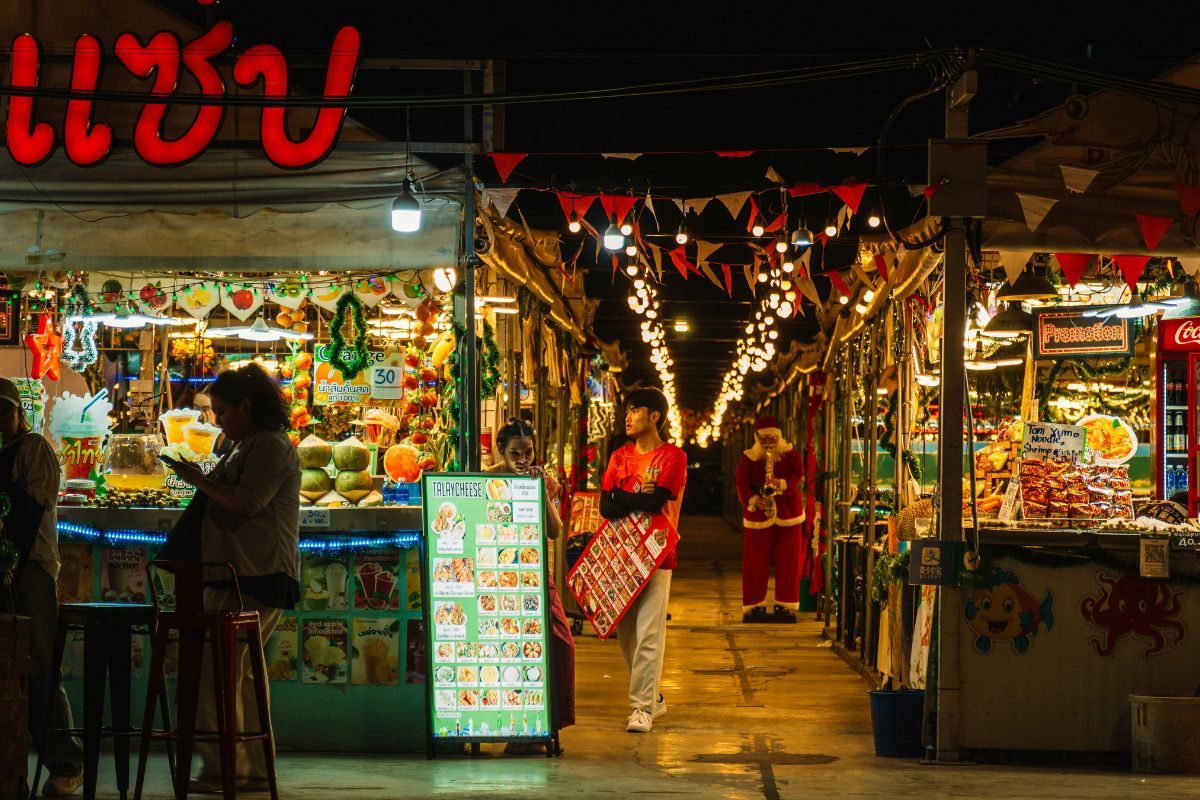
Bangkok is widely regarded as one of Asia’s top food destinations, making it perfect for itineraries that revolve around eating rather than sightseeing alone. With this approach, meals are not squeezed in between attractions. Instead, they become the main reason to explore different neighborhoods.
A typical food-focused day might include:
- Café hopping in the morning
- Lunch at a well-loved local restaurant
- Afternoon coffee or dessert stops
- Evening street food or night market dining
This style of itinerary is easy to adjust around weather, allows for a relaxed pace, and helps travelers experience Bangkok through its flavors, traditions, and everyday food culture.
Bangkok After Dark: Night-Focused Itinerary Angles
Rooftop Bars, Skyline Views, and Evening Experiences
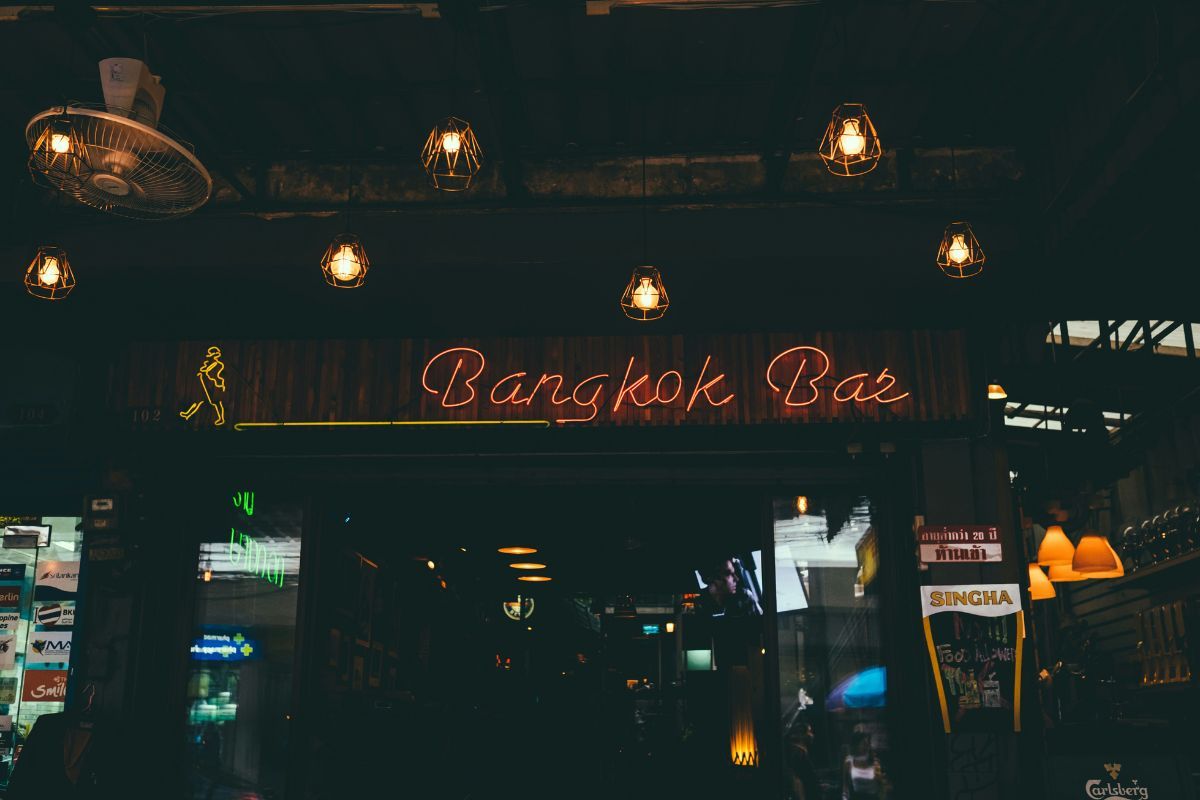
As the sun sets, Bangkok takes on a completely different energy. Rather than squeezing nightlife into the end of an already packed day, this itinerary style makes evenings the highlight of the trip.
A relaxed, evening-first plan usually looks like this:
- Late afternoon downtime at a café or hotel
- Sunset drinks with city or river views
- Dinner overlooking the skyline or along the waterfront
- An optional stop at a night market or live music venue
Focusing on nights helps travelers avoid the daytime heat while enjoying Bangkok at its most vibrant. It creates memorable experiences without long, exhausting days.
Best suited for:
- Couples seeking atmospheric evenings
- Friends traveling together
- Business travelers with limited time during the day
Practical Tips for Planning Your Bangkok Itinerary
1. Group Attractions by Area
Bangkok is a large city, and travel time can be longer than expected due to traffic. Always plan your itinerary by geographic clusters, such as Old Town, Riverside, Siam, or Sukhumvit. Visiting attractions near each other on the same day reduces transit time and helps you avoid unnecessary backtracking.
2. Start Early and Pace Your Day
The best time for sightseeing is early in the morning, when temperatures are cooler and crowds are smaller. Plan outdoor activities before noon, schedule indoor attractions or rest breaks in the afternoon, and reserve evenings for markets, dining, or nightlife.
3. Use Public Transport Whenever Possible
The BTS Skytrain and MRT subway are the fastest and most reliable ways to move around Bangkok. They help you avoid traffic congestion and offer predictable travel times. Use taxis and ride-hailing services only for short distances or when public transport is not convenient.
4. Plan for Heat and Humidity
Bangkok's heat and humidity can be intense, especially for first-time visitors. Stay hydrated, wear breathable clothing, and take frequent breaks in air-conditioned places such as cafés, malls, or museums. Avoid overloading your schedule with too many outdoor attractions in one day.
5. Dress Appropriately for Temples
When visiting temples, dress modestly with covered shoulders and knees. Lightweight long pants or skirts are useful, and comfortable shoes that are easy to remove will save time and effort. Carrying a light scarf can help meet dress requirements if needed.
6. Allow Extra Time for Major Attractions
Popular attractions like temples and markets often take longer than expected due to queues, security checks, and crowds. Build buffer time into your itinerary so you don't feel rushed or forced to skip experiences.
7. Be Flexible with Weather
During the rainy season, showers usually occur in the afternoon or evening. Keep your itinerary flexible so you can shift outdoor activities to the morning and save indoor attractions for later in the day. Checking the daily forecast helps with planning.
8. Balance Sightseeing with Food and Rest
Bangkok is known for its food culture, so plan regular meal breaks and café stops. Night markets, food courts, and street food areas are excellent ways to enjoy local flavors without adding extra travel.
9. Avoid Overpacking Your Days
Trying to see too much in one day is a common mistake. A realistic itinerary includes 2--3 major attractions per day, plus food and rest time. Leaving some free time allows for spontaneous discoveries and reduces travel fatigue.
10. Choose Accommodation That Matches Your Itinerary
Staying near BTS or MRT stations saves time and energy. If your itinerary focuses on Old Town, riverside areas are convenient. If shopping and nightlife are priorities, Sukhumvit or Siam work better as a base.
11. Use Evenings Wisely
Evenings are ideal for experiences that don't require extensive walking, such as night markets, rooftop bars, river cruises, or cultural shows. This helps you recover from daytime sightseeing while still enjoying the city.
12. Expect the Unexpected
Traffic, crowds, and weather can change plans quickly. Treat your itinerary as a guide rather than a strict schedule, and focus on enjoying the experience rather than checking off every item.
With your Bangkok itinerary planned, the next step is making sure you choose the right place to stay in Bangkok and the best time to visit Bangkok to match your travel style. Where you stay can greatly affect how easy it is to move around the city, while timing your trip well helps you avoid extreme heat, crowds, or higher prices. To fine-tune your plans, explore our detailed guides on where to stay in Bangkok and the best time to visit Bangkok for practical tips and recommendations.
FAQs – Bangkok itinerary
How many days do you need for a Bangkok itinerary?
Most travelers need 3 to 4 days to see Bangkok’s main highlights, including temples, markets, and key neighborhoods. 5 to 7 days allows for a slower pace, food experiences, shopping, and day trips outside the city.
Is 2 days enough for Bangkok?
Yes, 2 days is enough for a short stay or stopover. Focus on Old Town temples on one day and modern Bangkok, shopping, and nightlife on the second day.
What is the best Bangkok itinerary for first-time visitors?
A first-time itinerary should include Grand Palace, Wat Pho, Wat Arun, a river cruise, Old Town walking areas, and a night market, with time for shopping or food experiences.
What is the best area to stay for a Bangkok itinerary?
Areas near BTS or MRT stations are ideal. Sukhumvit is best for first-timers, Siam works well for families and shopping, and Riverside suits couples and luxury travelers.
How do you get around Bangkok during an itinerary?
The BTS Skytrain and MRT are the fastest ways to move around. Taxis and ride-hailing apps are useful for short trips, while river ferries are ideal for sightseeing along the Chao Phraya River.
What is the best time to visit Bangkok for sightseeing?
The best time is November to February, when the weather is cooler and drier. Sightseeing is still possible year-round with flexible planning during hotter or rainy months.
Can you follow a Bangkok itinerary during the rainy season?
Yes. Rain usually comes in short showers, and most attractions remain open. Focus on indoor attractions, shopping malls, food tours, cafés, and cultural sites during rainy months.
Is Bangkok suitable for family itineraries?
Yes. Families can enjoy easy temple visits, shopping malls, aquariums, cultural shows, and short sightseeing days. Staying in central areas reduces travel time.
What should I avoid when planning a Bangkok itinerary?
Avoid overpacking your schedule, underestimating travel time, and visiting too many distant attractions in one day. Group activities by area to save time and energy.
Can Bangkok be combined with other destinations?
Yes. Bangkok is often combined with beach destinations or northern Thailand, making it a great starting or ending point for longer trips.