A striking mix of royal heritage, modern skylines, and everyday local life defines the city. Grand palaces and sacred temples stand just minutes from riverfront promenades, street markets, rooftop viewpoints, and family-friendly attractions, creating one of Southeast Asia’s richest collections of things to see and experience.
In this guide, “attractions” goes beyond well-known landmarks. It covers cultural and historical sites, temples, markets, viewpoints, urban parks, museums, and experiences that shape how visitors understand the city. Alongside iconic highlights, you will also discover lesser-known places valued by locals.
To make planning easier, attractions are organized by type, neighborhood, and traveler interest. This approach helps first-time visitors focus on essential sights while giving repeat travelers fresh ideas beyond the usual checklist.
1. Must-See Attractions in Bangkok (First-Time Visitors)
These attractions form the backbone of nearly every first-time Bangkok itinerary. If you only have 2 to 3 days, they offer the clearest introduction to the city’s history, beliefs, urban layout, and daily rhythm.
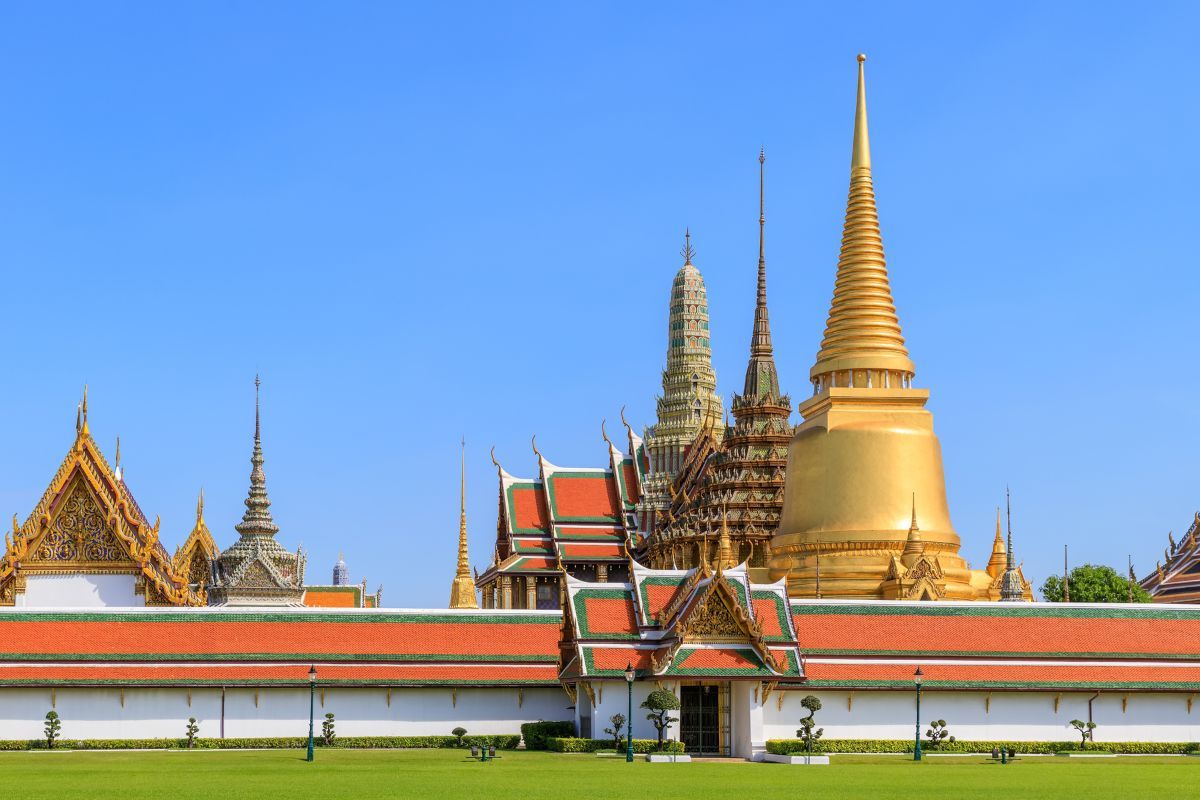
Grand Palace
More than a landmark, the Grand Palace represents the political and ceremonial origins of modern Thailand. Built in 1782, it marked the founding of Bangkok as the capital and functioned as the royal residence for over 150 years. The complex is vast, with multiple halls, courtyards, and galleries that reveal how monarchy, religion, and governance were historically intertwined. Intricate murals depicting the Ramakien epic line the cloisters, offering visual storytelling that explains Thai values and worldview. Visiting early in the morning helps avoid crowds and heat while allowing time to appreciate architectural details often rushed past.
Wat Phra Kaew
Wat Phra Kaew, located within the Grand Palace grounds, is Thailand’s most sacred temple and unlike most temples, it has no resident monks. Its primary role is ceremonial and symbolic. The Emerald Buddha, small in size but immense in spiritual importance, is dressed in seasonal costumes changed by the King himself. This temple explains the deep link between Thai Buddhism and the monarchy, making it a key stop for understanding national identity rather than just religious practice.
Wat Pho
Wat Pho offers a more grounded, everyday cultural experience. While the enormous Reclining Buddha draws immediate attention, the temple complex is also a center of learning, home to Thailand’s first public university and the birthplace of traditional Thai massage. Stone inscriptions throughout the grounds document medicine, history, and philosophy, turning the visit into an open-air classroom. Many travelers choose to end their visit with a massage here, connecting historical tradition with modern relaxation.
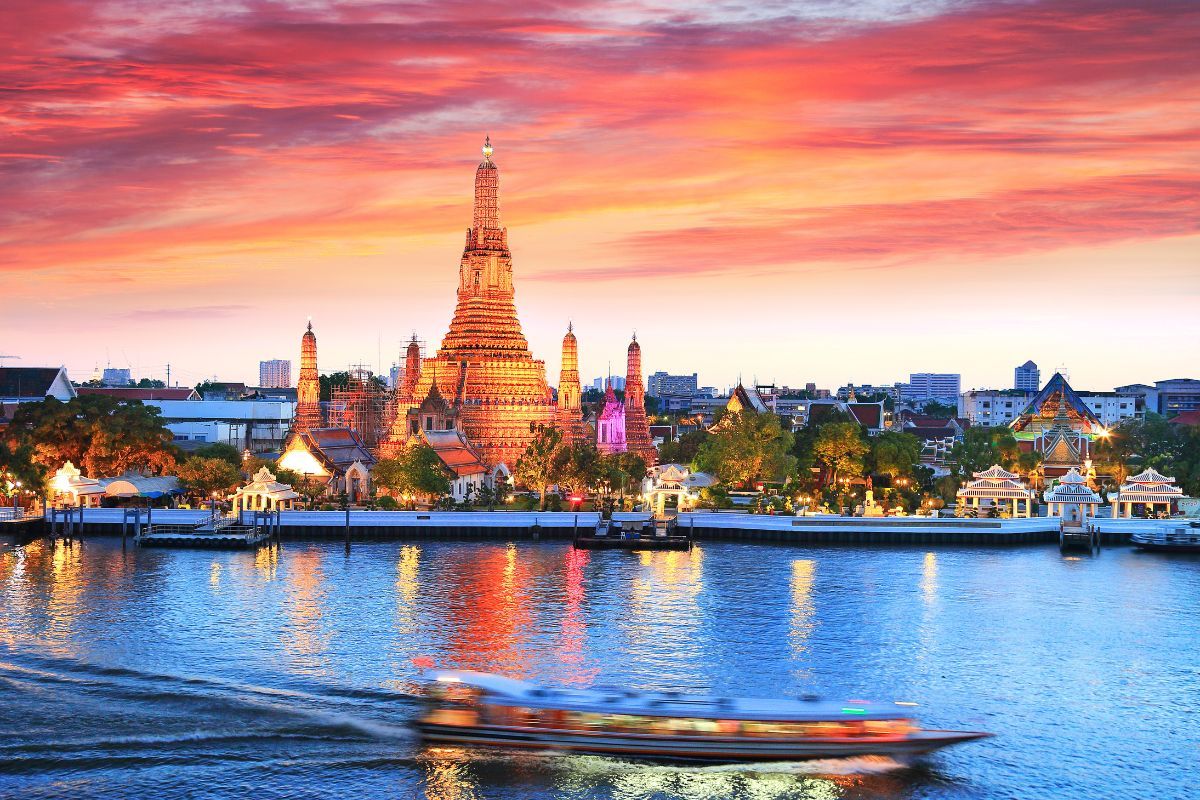
Wat Arun
Standing on the west bank of the Chao Phraya River, Wat Arun is best understood through its setting. Its towering prang is decorated with porcelain fragments that shimmer as light changes throughout the day. While often photographed from across the river, climbing the temple reveals views back toward the historic core of the city. Wat Arun works particularly well as a late-afternoon stop, when the heat softens and the river reflects golden light.
Chao Phraya River
The Chao Phraya River functions as Bangkok’s original highway and remains one of the best ways to understand the city’s layout. A boat ride connects royal temples, traditional communities, modern malls, and luxury hotels in a single journey. Unlike road travel, river transport shows how old and new Bangkok coexist side by side. Even a short public boat ride offers context that no single attraction can provide.
If time is limited: focus on the Grand Palace and Wat Phra Kaew in the morning, visit Wat Pho next, cross the river to Wat Arun in the afternoon, and end the day with a Chao Phraya boat ride. Together, these experiences provide a balanced overview of Bangkok’s royal heritage, religious foundations, urban geography, and daily life.
2. Historical & Cultural Attractions
Bangkok’s historical and cultural attractions go well beyond temples. They reveal how Thailand transitioned from a traditional kingdom into a modern nation, shaped by monarchy, foreign influence, and everyday cultural life. These sites help visitors understand not just what Thailand looks like today, but how it became what it is.
Royal and State Landmarks
Dusit Palace
Dusit Palace represents a turning point in Thai history, when the monarchy began engaging more openly with the Western world. Built in the early 20th century, the complex replaced fortified palace walls with open gardens, wide avenues, and European-style buildings. This shift reflects King Rama V’s vision of modernization without colonization. Walking through Dusit Palace offers insight into how Thailand balanced tradition with reform during a period of global change.
Ananta Samakhom Throne Hall
Ananta Samakhom Throne Hall stands as one of Bangkok’s most striking symbols of international influence. Designed by Italian architects in a Renaissance style, the marble-domed hall was used for royal ceremonies and state occasions. Inside, murals depict key moments in Thai political reform, including the introduction of constitutional ideas. The building helps explain how Thailand projected itself as a modern nation while maintaining royal authority.
Museums and Cultural Institutions
Bangkok National Museum
Bangkok National Museum offers the most complete overview of Thai history in one place. Its galleries cover prehistoric settlements, classical kingdoms, royal regalia, traditional arts, and Buddhist sculpture from across the country. Rather than focusing only on Bangkok, the museum places the capital within a wider national story, making it especially valuable for first-time visitors who want context before exploring temples and palaces.
Museum of Siam
Museum of Siam approaches Thai history from a different angle, focusing on identity rather than chronology. Through interactive exhibits, multimedia displays, and everyday objects, the museum explores what it means to be “Thai” today. Topics range from food and language to social customs and national values. This makes it an excellent introduction for visitors unfamiliar with Thai culture, as it connects historical ideas to modern life.
How to Visit These Attractions Effectively
- Dress modestly, especially at royal landmarks, covering shoulders and knees
- Arrive early in the day to avoid crowds and heat
- Allocate enough time to read exhibits and explanations rather than rushing through
- Visit museums before major temple sites to gain historical context
Together, these historical and cultural attractions provide a deeper understanding of Thailand’s past, helping travelers appreciate Bangkok not just as a sightseeing destination, but as the center of a long and carefully balanced national story.
3. Temples & Religious Landmarks
Temples in Bangkok are not only architectural highlights but living spaces of worship woven into everyday life. Visiting them offers first-hand insight into Thai beliefs, rituals, and the rhythm of the city, from formal royal ceremonies to quiet morning prayers by local residents.
Major Royal Temples
Wat Phra Kaew
Wat Phra Kaew feels distinctly different from other temples in Bangkok. There is a strong sense of formality as you enter, from the stricter dress code to the absence of monks living on-site. The atmosphere is ceremonial rather than communal. Standing in front of the Emerald Buddha, many visitors notice how small the statue is compared to its significance, which highlights the Thai belief that spiritual power is not tied to physical size. Watching Thai visitors pause quietly here gives a clear sense of how deeply the temple is tied to national identity rather than daily worship.
Wat Pho
Wat Pho feels more relaxed and human in scale. The Reclining Buddha often draws the crowds first, but spending time wandering the surrounding courtyards reveals a different experience. Locals come here to pray, study, and receive traditional massage, making the temple feel active rather than purely touristic. Sitting briefly near one of the prayer halls or listening to the sound of coins being dropped into offering bowls gives a direct glimpse into everyday Buddhist practice.
Wat Arun
Approaching Wat Arun by boat is part of the experience. From the river, the temple’s spires rise dramatically, changing color depending on the light. Climbing partway up the central prang offers sweeping views across the river toward the old city. In the late afternoon, the breeze off the water and the softer light create a calmer, more reflective atmosphere than the busy temple complexes on the opposite bank.
Neighborhood Temples
Wat Saket
Wat Saket, crowned by the Golden Mount, combines spiritual space with one of the city’s most rewarding viewpoints. The slow walk up the spiral path passes bells, small shrines, and shaded rest spots, making the climb feel meditative rather than strenuous. From the top, the contrast between old rooftops and distant skyscrapers is striking, especially near sunset when the city noise softens.
Wat Benchamabophit
Wat Benchamabophit stands out for its symmetry, white Carrara marble, and quiet elegance. Unlike larger temple complexes, it rarely feels crowded. Early in the morning, monks chant while locals sit quietly along the cloisters, creating a peaceful atmosphere that encourages visitors to slow down. The temple works well as a short, reflective stop rather than a long sightseeing visit.
Planning Ideas for Temple Visits
- Visit major royal temples early in the morning to avoid heat and tour groups
- Pair Wat Phra Kaew and Wat Pho on the same morning, then cross the river to Wat Arun later in the day
- Plan sunset visits at Wat Arun or Wat Saket for softer light and cooler temperatures
- Dress modestly and observe how locals behave, lowering your voice and moving calmly
Experiencing Bangkok’s temples in this way turns them from photo stops into meaningful cultural encounters, offering a deeper understanding of how religion continues to shape daily life in the city.
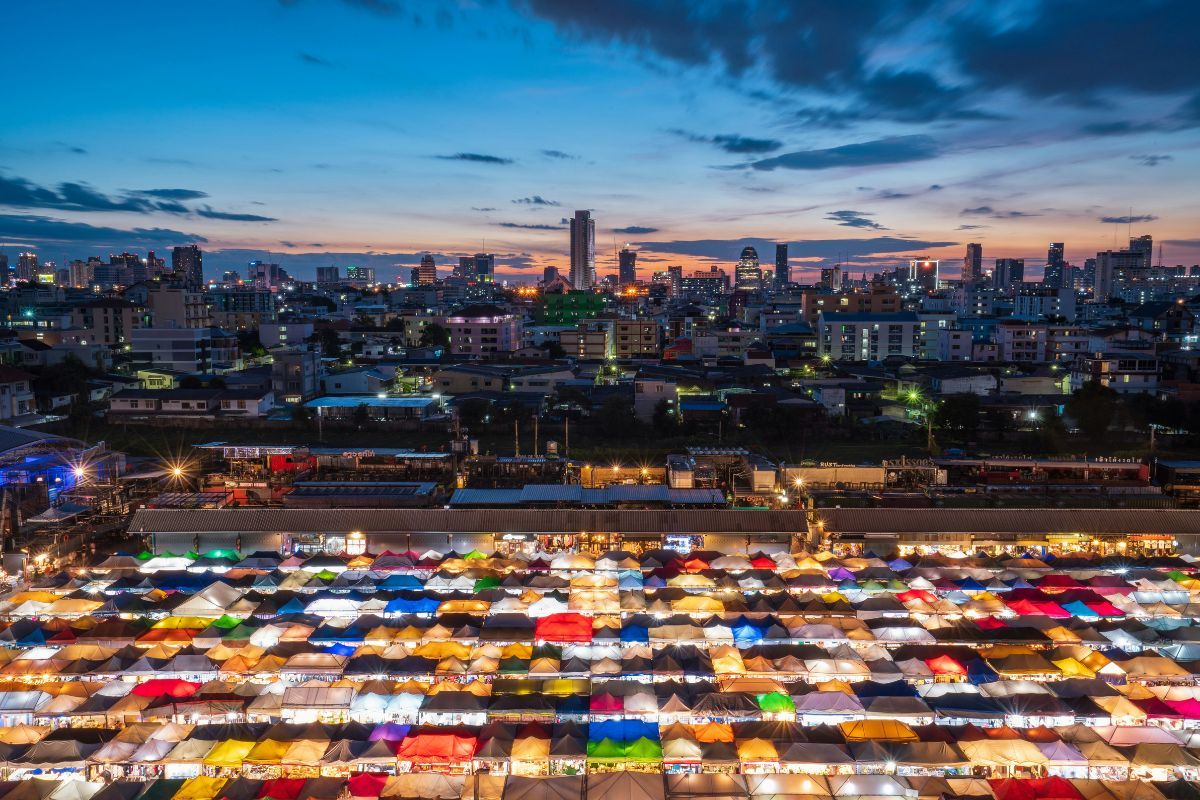
4. Markets & Shopping Attractions
Markets in Bangkok feel less like places to shop and more like places to observe daily life in motion. Wandering through them, you see how locals eat, socialize, bargain, and unwind. Each market has its own rhythm, and choosing the right one can completely change how you experience the city.
Traditional and Food Markets
Chatuchak Weekend Market
Chatuchak can feel overwhelming at first, but that is part of its appeal. With thousands of stalls spread across different sections, the experience is more about exploration than efficiency. You might start browsing clothing and end up discovering handmade ceramics, vintage posters, or local snacks you have never seen before. The market is best enjoyed slowly, with breaks for iced drinks and street food. Going early in the morning makes a big difference, as the heat and crowds build quickly by midday.
Or Tor Kor Market
Or Tor Kor feels more curated and food-focused. The produce is beautifully arranged, and many vendors specialize in regional Thai ingredients and prepared dishes. Walking through the aisles, you see locals shopping seriously for quality rather than souvenirs. For travelers, it is an excellent place to sample Thai food in a clean, organized setting while learning what goes into everyday meals. It works especially well as a late-morning stop paired with Chatuchak nearby.
Floating and Night Markets
Damnoen Saduak Floating Market
Damnoen Saduak delivers the classic floating market image many travelers imagine before arriving in Thailand. Boats glide past each other selling noodles, fruit, and souvenirs, creating a lively and photogenic scene. While it is more tourist-oriented today, visiting early in the morning helps capture a more authentic feel. The experience is less about shopping and more about seeing how waterways once shaped trade and daily life around Bangkok.
Asiatique The Riverfront
Asiatique feels like an evening stroll rather than a traditional market. Set along the river, it combines open-air shopping, restaurants, and entertainment with wide walkways and river views. Many travelers come here to relax after a busy sightseeing day, enjoy dinner by the water, and browse casually without pressure. It is especially pleasant at night, when the river breeze and lights create a relaxed atmosphere.
Choosing the Right Market
- Food lovers will enjoy Or Tor Kor for quality and Chatuchak for variety
- First-time visitors often appreciate Damnoen Saduak for its iconic imagery
- Casual evening explorers tend to prefer Asiatique for its comfortable layout
- Bargain hunters and browsers get the most out of Chatuchak
Seeing Bangkok through its markets offers a first-hand look at how the city eats, shops, and socializes. Even a short visit to one or two markets adds texture and realism to any Bangkok trip.
5. Modern & Iconic City Attractions
Bangkok’s modern attractions reveal how quickly the city has evolved. Glass towers rise beside riverside promenades, luxury malls double as cultural spaces, and viewpoints turn the skyline itself into an experience. These places feel especially rewarding after exploring temples and old neighborhoods, showing a very different side of the city.
Viewpoints and Landmarks
Mahanakhon SkyWalk
Visiting Mahanakhon SkyWalk feels like stepping above the city rather than just looking at it. The elevator ride shoots up so fast that you barely notice the height until the doors open to sweeping views in every direction. From the observation deck, Bangkok spreads out in layers, low-rise neighborhoods, rivers, highways, and clusters of skyscrapers. Standing on the glass floor is optional, but even watching others hesitate before stepping out becomes part of the experience. Late afternoon visits work well, as you can see the city in daylight and stay until the lights begin to turn on.
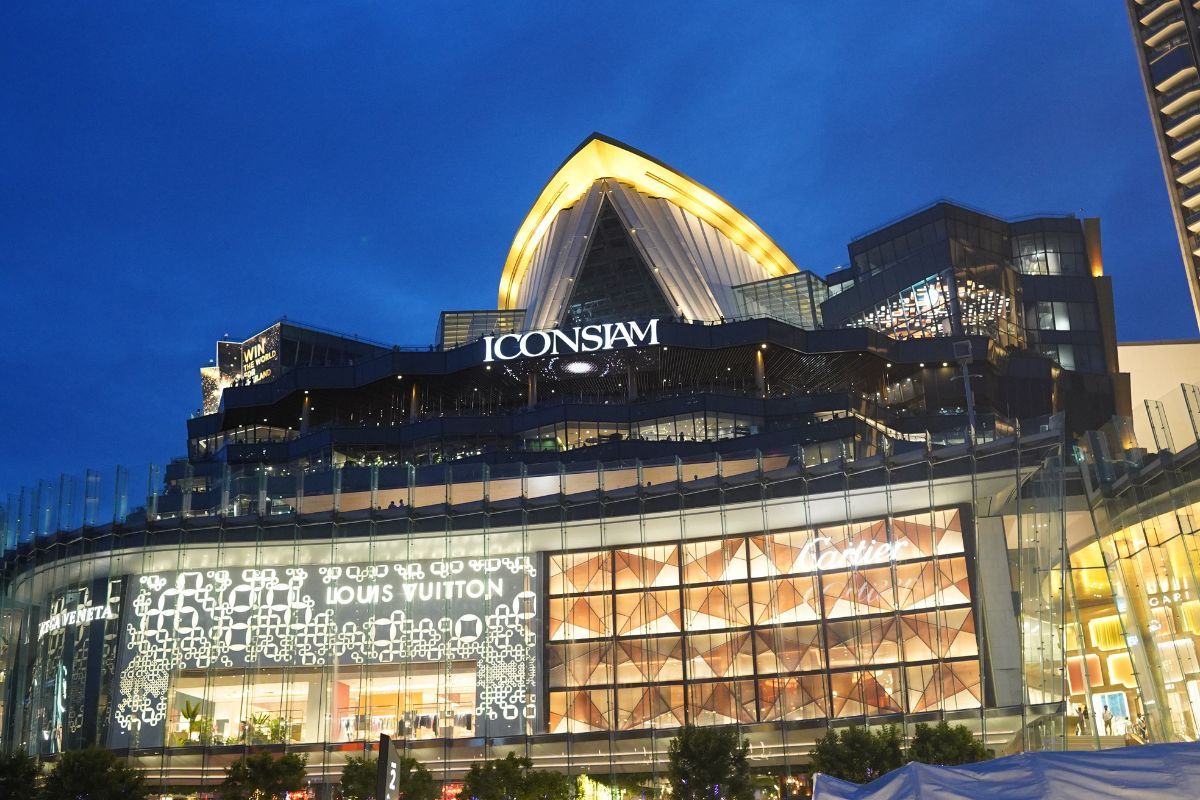
ICONSIAM
ICONSIAM feels more like a destination than a shopping mall. Inside, luxury brands sit alongside a curated indoor floating market-style food zone that showcases regional Thai dishes. Walking through, you notice how locals treat it as a weekend hangout rather than a quick shopping stop. The riverside terrace is one of the highlights, especially in the evening, when boats pass by and the skyline reflects off the water. Even travelers who are not interested in shopping often come here just to stroll, eat, and enjoy the river views.
How to Experience Modern Bangkok Best
- Visit skyline viewpoints in the late afternoon to catch both daylight and night views
- Explore ICONSIAM in the evening when the river breeze and lights create a relaxed atmosphere
- Combine modern attractions with riverside walks or boat rides for contrast
- Use these spots as slower-paced breaks between more intensive sightseeing days
Experiencing Bangkok’s modern landmarks adds balance to a trip. They show how the city lives today, offering moments to pause, look out over the skyline, and appreciate how tradition and modern life continue to coexist.
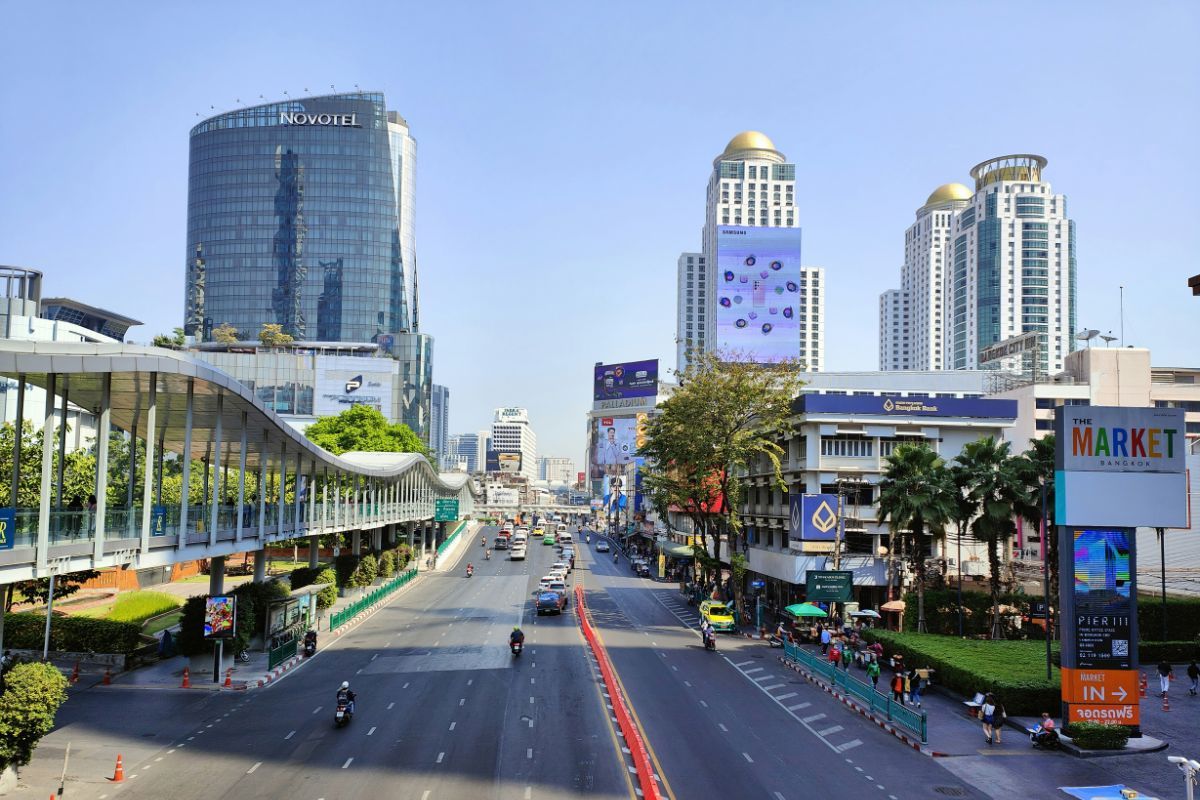
6. Top Attractions by Neighborhood
Exploring Bangkok by neighborhood makes the city feel more manageable and more personal. Each area has a distinct character, shaped by its history, daily rhythms, and standout landmarks. Focusing on one area at a time helps you experience attractions more deeply instead of rushing across the city.
Old Town / Rattanakosin
Top landmark: Grand Palace
Old Town is where Bangkok began and remains the city’s cultural core. Narrow streets, historic shophouses, and grand ceremonial spaces sit close together. Beyond the Grand Palace, the area is dense with temples, small museums, and traditional neighborhoods that feel quieter once tour groups thin out. Early mornings are ideal, when monks walk past food stalls and the city feels unhurried.
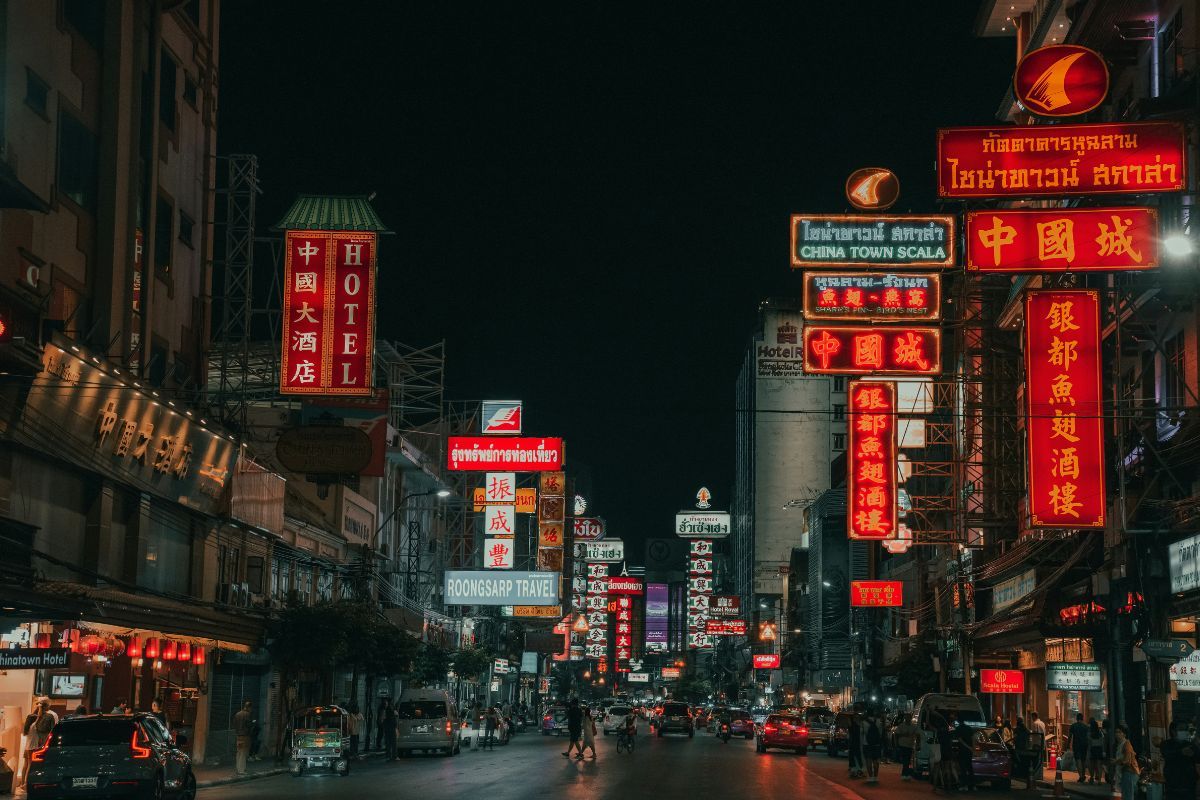
Chinatown (Yaowarat)
Top landmark: Yaowarat Road
Chinatown is one of Bangkok’s most energetic districts. During the day, it feels gritty and practical, with gold shops, herbal stores, and wholesale markets. After sunset, Yaowarat Road transforms into a street food hub filled with neon signs and sizzling woks. Wandering side streets reveals hidden temples and old family-run businesses that have existed for generations.
Riverside Areas
Top landmark: Wat Arun
The riverside shows how Bangkok developed along the water. Wat Arun anchors the historic side, while modern hotels, promenades, and shopping complexes line other stretches. Moving between piers by boat is often more enjoyable than traveling by road. Even short walks along the river offer views of long-tail boats, ferries, and daily life unfolding on the water.
Sukhumvit
Top landmark: Terminal 21
Sukhumvit represents modern, international Bangkok. High-rise condos, malls, rooftop bars, and global dining options dominate the area. Terminal 21 stands out for its playful design and easy access, making it a common meeting point for both locals and travelers. The area is best explored in the evening, when restaurants and nightlife bring the streets to life.
Thonglor & Ekkamai
Top landmark: J Avenue Thonglor
Thonglor and Ekkamai feel more local and lifestyle-focused. These neighborhoods are known for cafes, small galleries, and nightlife spots favored by Bangkok residents. J Avenue and surrounding streets are good places to experience how locals spend their evenings, from casual dining to late-night dessert cafés. This area suits travelers who enjoy slow exploration rather than major sightseeing.
Banglamphu
Top landmark: Khao San Road
Banglamphu blends historic charm with backpacker energy. Khao San Road is lively and chaotic, but just a few streets away are quiet canals, traditional homes, and local markets. The contrast is striking and rewarding. Late afternoon walks work well here, transitioning from calm daytime scenes to the area’s energetic nightlife.
How to Explore by Area
- Spend half a day in Old Town to absorb history without rushing
- Visit Chinatown in the late afternoon and stay through dinner
- Use the river to move between riverside attractions
- Save Sukhumvit and Thonglor for evenings and dining experiences
Seeing Bangkok through its neighborhoods highlights how diverse the city really is. Each area offers a different perspective, helping travelers connect landmarks to real daily life rather than viewing them as isolated sights.
7. Family-Friendly Attractions in Bangkok
Traveling in Bangkok with children is easier than many families expect. The city offers a strong mix of educational, interactive, and climate-friendly attractions that work well for different age groups. Many of the most popular family attractions are indoors, air-conditioned, and centrally located, making them reliable options year-round.
SEA LIFE Bangkok Ocean World
SEA LIFE Bangkok Ocean World is often a hit with younger children and first-time visitors. Located beneath a major shopping mall, it feels convenient rather than overwhelming. Inside, kids can walk through underwater tunnels, watch sharks glide overhead, and get close to penguins and colorful reef fish. Parents often appreciate how manageable the space feels, large enough to stay interesting, but compact enough to avoid exhaustion. It works especially well as a midday stop when outdoor sightseeing becomes too hot.
KidZania Bangkok
KidZania Bangkok turns learning into play. Children can try real-world role-play activities such as becoming doctors, pilots, chefs, or news reporters, all within a safe, structured environment. What stands out is how engaged kids become once they start earning and spending KidZania’s play currency. Parents can either join in or relax nearby while kids explore independently. This attraction is particularly popular with children aged 6 to early teens and can easily fill half a day.
###Bangkok Art and Culture Centre
For families with older children or teenagers, Bangkok Art and Culture Centre offers a more creative experience. The open, spiral layout makes it easy to explore at your own pace, and exhibitions often include interactive or visually striking installations. Teens who enjoy photography, design, or contemporary culture tend to find this more engaging than traditional museums. The surrounding cafes and bookstores also make it a comfortable place to take breaks and recharge.
Why These Attractions Work Well for Families
- Most are fully indoors and air-conditioned, ideal for hot or rainy days
- Locations are central and easy to reach by BTS or taxi
- Experiences are hands-on rather than passive, keeping children engaged
- Attractions suit different age ranges, from toddlers to teenagers
Bangkok’s family-friendly attractions allow parents to balance sightseeing with downtime, ensuring children stay engaged while still gaining meaningful cultural and educational experiences during the trip.
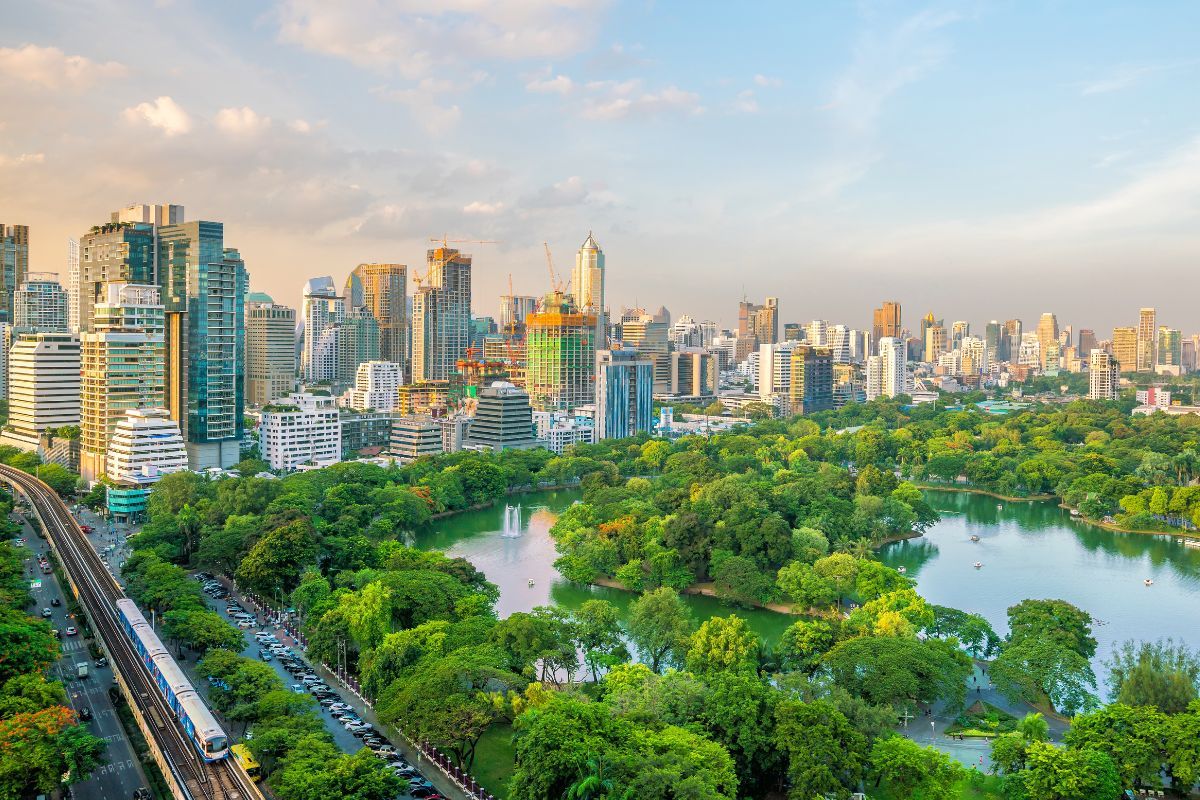
8. Nature & Outdoor Attractions (Within the City)
Bangkok is often described as busy and built-up, but spending time outdoors reveals a different side of the city. Scattered throughout central areas are parks, lakes, and riverside paths where locals slow down, exercise, and escape the heat. These green spaces are especially refreshing between temple visits and shopping districts.
Lumphini Park
Lumphini Park feels like Bangkok’s communal living room. Early in the morning, joggers loop the paths, elderly locals practice tai chi, and office workers stop by for a quiet walk before the day begins. The lake reflects nearby skyscrapers, creating a striking contrast between nature and city life. Sitting on a bench here, you quickly forget how close you are to some of Bangkok’s busiest roads. Morning visits offer the calmest atmosphere, while late afternoons bring a livelier, social energy.
Benjakitti Forest Park
Benjakitti Forest Park feels more open and modern, designed as a green escape with wide walkways, wetlands, and dedicated cycling paths. Walking or biking through the park, you get unobstructed views of Bangkok’s skyline rising behind trees and water features. The raised skywalk paths are especially popular, offering panoramic photo spots without the crowds found at observation decks. This park works well in the late afternoon, when the light softens and the heat becomes more manageable.
Chao Phraya Riverside Promenade
Riverside promenades along the Chao Phraya offer one of the most relaxed ways to experience the city. Walking here at sunset, you see ferries crossing the river, temples glowing in the fading light, and locals stopping to enjoy the breeze. The pace is slow and unhurried, making it an ideal break after a day of sightseeing. These walks pair well with nearby cafes, night markets, or casual riverside dining.
Tips for Enjoying Outdoor Attractions in Bangkok
- Visit parks early in the morning or after 4 pm to avoid strong sun
- Bring water and light sun protection even for short walks
- Combine outdoor stops with nearby indoor attractions or cafes
- Use parks as rest points rather than rushing through them
Spending time in Bangkok’s green spaces adds balance to a trip. These outdoor attractions show how residents carve out moments of calm within the city and give travelers a chance to experience Bangkok at a slower, more local pace.
9. Unique & Non-Touristy Attractions
For travelers who have already seen Bangkok’s major landmarks or simply want to experience the city beyond the usual highlights, these lesser-known attractions offer a more local, lived-in perspective. They reward curiosity, slower exploration, and a willingness to wander without a fixed agenda.
Talad Noi
Talad Noi is one of Bangkok’s oldest neighborhoods, and walking through it feels like stepping into layers of history. Narrow lanes wind past faded shophouses, Chinese shrines, repair workshops, and river-facing homes that have barely changed in decades. In recent years, street art has appeared on old walls and warehouses, creating an unexpected contrast between tradition and creativity. The best experience comes from wandering aimlessly, stopping for coffee in a hidden café, and watching daily life unfold rather than chasing specific sights.
Artist’s House Baan Silapin
Artist’s House Baan Silapin is tucked along a quiet canal in Thonburi and feels worlds away from central Bangkok. The wooden house serves as a community art space where visitors can watch traditional Thai puppet shows, browse handmade crafts, or simply sit by the water. Performances are informal and intimate, often attended by families and local children. Getting there by boat adds to the experience, reinforcing the sense of discovering something personal rather than staged for tourists.
Local Community Museums and Craft Villages
Scattered across Bangkok are small, community-run museums and craft neighborhoods that focus on specific traditions, from folk culture to regional craftsmanship. These places rarely feel crowded and often rely on volunteers or local guides who are eager to share stories. Visiting them offers a more personal connection than large national museums, especially when conversations replace formal exhibits. They are ideal for travelers interested in cultural depth rather than quick photo stops.
Why These Attractions Stand Out
- They reflect everyday life rather than curated tourist experiences
- Crowds are minimal, allowing for relaxed exploration
- Many are best discovered on foot or by local transport
- They appeal especially to repeat visitors and culturally curious travelers
Exploring Bangkok’s unique and non-touristy attractions reveals a quieter side of the city. These places may not appear in every itinerary, but they often become the most memorable moments, offering insight into how Bangkok lives beyond its famous sights.
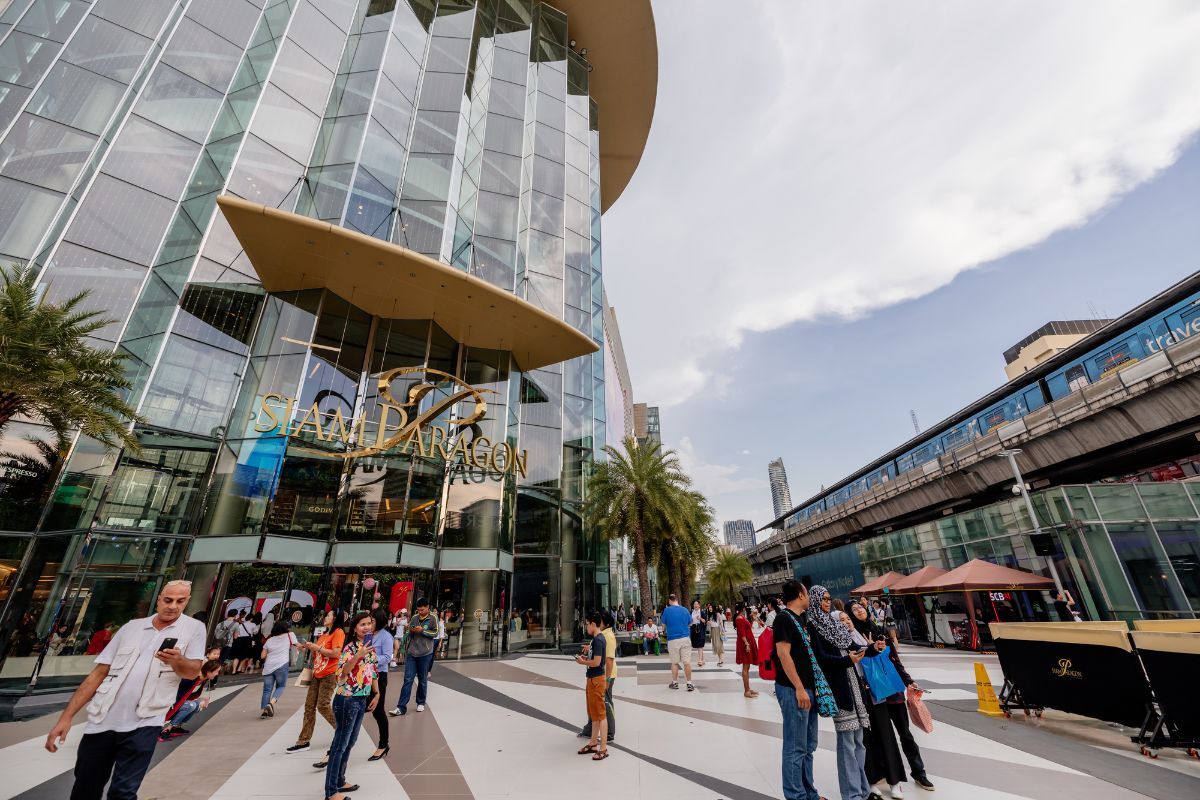
10. Shopping Attractions for Shopaholics
For travelers who see shopping as a core part of the Bangkok experience, the city delivers on every level, from luxury malls and outlet-style bargains to niche streets specializing in fashion, electronics, or design. Shopping here is not just about buying things, it is about seeing how Bangkok blends consumption, lifestyle, and entertainment into full-day experiences.
Luxury & Flagship Shopping Malls
Best for international brands, comfort, and one-stop experiences
Siam Paragon
Siam Paragon is often the first stop for shopaholics. High-end fashion, beauty brands, gourmet dining, and attractions like SEA LIFE all sit under one roof. Even travelers who do not plan to shop much often end up spending hours here because of how easy and polished the experience feels.CentralWorld
CentralWorld feels more expansive and energetic, mixing global brands with Thai designers and pop-up events. Seasonal sales, exhibitions, and festive decorations make repeat visits feel different each time. It is also well connected to other malls, allowing seamless mall-hopping.
Trendy & Local Fashion Hotspots
Best for Thai brands, street fashion, and unique finds
Platinum Fashion Mall
Platinum is fast-paced and bargain-driven. Small shops sell trendy clothing at wholesale-style prices, making it popular with travelers who enjoy hunting for deals. The experience is intense but rewarding if you enjoy digging through racks for hidden gems.Siam Square
Siam Square feels youthful and constantly evolving. Independent boutiques, pop culture stores, and experimental fashion sit alongside cafés and dessert shops. It is a good place to spot current Thai trends rather than international brands.
Night & Lifestyle Shopping Experiences
Best for relaxed browsing and atmosphere
Asiatique The Riverfront
Asiatique works well for shopaholics who prefer browsing without pressure. The mix of souvenir shops, lifestyle brands, and riverside dining turns shopping into an evening activity rather than a task.Jodd Fairs
Jodd Fairs combines shopping with street food and casual nightlife. It is ideal for travelers who enjoy discovering small fashion items, accessories, and snacks in a lively but manageable setting.
What Makes Bangkok a Shopping City
Prices range from luxury to ultra-affordable
Many malls are directly connected to BTS stations
Shopping often includes food courts, cafes, and entertainment
Late opening hours make evening shopping easy
For shopaholics, Bangkok is not about choosing one shopping area but mixing several. Pair luxury malls with local fashion zones and night markets to experience the full spectrum. This balance turns shopping from a checklist into one of the most enjoyable ways to understand how the city lives and spends.
11. Seasonal & Weather-Based Attractions
Bangkok's attractions change noticeably with the seasons. Heat, rain, and festivals all shape how the city is best experienced, and choosing attractions based on weather can make a big difference to comfort and enjoyment. Planning with the seasons in mind helps travelers avoid fatigue while still seeing the city at its best.
Rainy Season (Roughly May to October)
Best for indoor and covered attractions
During the rainy season, short but intense downpours are common, usually in the afternoon. This is when Bangkok's indoor attractions truly shine.
Recommended places to visit:
Bangkok National Museum for a deep dive into Thai history without weather concerns
Museum of Siam for engaging, air-conditioned cultural learning
ICONSIAM for dining, shopping, and cultural zones under one roof
SEA LIFE Bangkok Ocean World for families seeking reliable indoor entertainment
Covered walkways connected to BTS stations make moving between malls and museums easier on rainy days. Many travelers plan sightseeing in the morning and switch to indoor attractions once clouds build.
Cooler Months (Roughly November to February)
Best for temples, outdoor walks, and neighborhoods
This is widely considered the most comfortable time to explore Bangkok. Lower humidity and slightly cooler temperatures make walking-based attractions far more enjoyable.
Recommended places to visit:
Grand Palace and surrounding Old Town temples
Wat Arun for late-afternoon visits and sunset views
Talad Noi for relaxed neighborhood exploration
Benjakitti Forest Park for skyline walks and cycling
Walking neighborhoods like Old Town, Chinatown, and Banglamphu feel especially pleasant during this season, allowing travelers to explore without constantly seeking shade or air conditioning.
Festival Periods (Seasonal Highlights)
Temporary attractions that transform the city
Festivals turn everyday spaces into cultural attractions, offering experiences unavailable at other times of year.
Major festivals to plan around:
Songkran in April transforms streets across the city into water celebration zones, especially around Silom and Khao San Road
Loy Krathong in November brings illuminated rivers, parks, and temple grounds as locals release floating offerings
During festivals, parks, riversides, and major public spaces effectively become attractions themselves. Booking accommodation near celebration areas allows travelers to enjoy events without long travel times.
How to Plan Around Weather
Schedule outdoor attractions early in the day during hot or rainy months
Use indoor attractions as midday or afternoon anchors
Check festival dates in advance, as they follow the lunar calendar
Expect crowds during festivals and plan transport accordingly
Experiencing Bangkok through its seasons adds another layer to the trip. Whether sheltering from rain in world-class museums or joining locals during vibrant festivals, seasonal planning helps travelers see the city at its most dynamic and rewarding.
12. Day Trip Attractions Near Bangkok (Clearly Outside the City)
While Bangkok itself offers more than enough to fill several days, some travelers choose to step outside the city for a change of pace. These nearby destinations are distinctly different from Bangkok's urban environment and are best approached as day trips, not city attractions. They are especially suitable for travelers staying longer, repeat visitors, or those curious about Thailand beyond the capital.
Ayutthaya Historical Park
Ayutthaya offers a powerful contrast to Bangkok. Once the capital of the Kingdom of Siam, the city is now a vast archaeological site filled with temple ruins, prangs, and headless Buddha statues that reflect centuries of history. Walking or cycling between sites feels spacious and calm compared to Bangkok's density.
What stands out for many visitors is the sense of scale. Unlike Bangkok's compact temple complexes, Ayutthaya's ruins are spread across a large area, surrounded by greenery and rivers. This makes it easier to imagine how the ancient city once functioned as a major regional power.
Why travelers choose Ayutthaya:
Strong historical context beyond Bangkok-era Thailand
Open-air ruins ideal for slow exploration
Easy to combine multiple temples in one day
Good option for history-focused travelers
Ayutthaya works best as a full-day trip and is most enjoyable in the cooler months or early in the morning to avoid heat.
Maeklong Railway Market
Maeklong Railway Market is less about sightseeing and more about witnessing a moment. Several times a day, a train passes directly through the middle of a working market, forcing vendors to pull back awnings and baskets just minutes before it arrives, then reset everything immediately afterward.
Seeing this in person feels very different from watching it online. The experience highlights how local routines adapt to infrastructure rather than the other way around. Between train arrivals, the market functions like any other fresh market, selling seafood, produce, and snacks primarily to locals.
Why travelers visit Maeklong:
One of Thailand's most unusual everyday scenes
Short, memorable experience rather than a full-day attraction
Often paired with nearby floating markets
Appeals to curious, experience-driven travelers
Timing matters here, so most visitors go with a guide or plan carefully around the train schedule.
Who Should Consider Leaving the City
Travelers staying more than 4 to 5 days in Bangkok
Repeat visitors who have already seen major city landmarks
History enthusiasts or culturally curious travelers
Visitors seeking visual contrast to modern Bangkok
Who Might Skip Day Trips
First-time visitors with limited time
Travelers focused on food, shopping, and city life
Those visiting during extreme heat or heavy rain
Planning Tips for Day Trips
Start early to avoid crowds and heat
Treat these as separate experiences, not extensions of city sightseeing
Avoid overpacking day trips into short stays
Consider guided transport to reduce logistics stress
Day trips near Bangkok add variety, but they are not essential for everyone. When chosen thoughtfully, they provide a broader understanding of Thailand's history and daily life, complementing rather than replacing time spent in the capital.
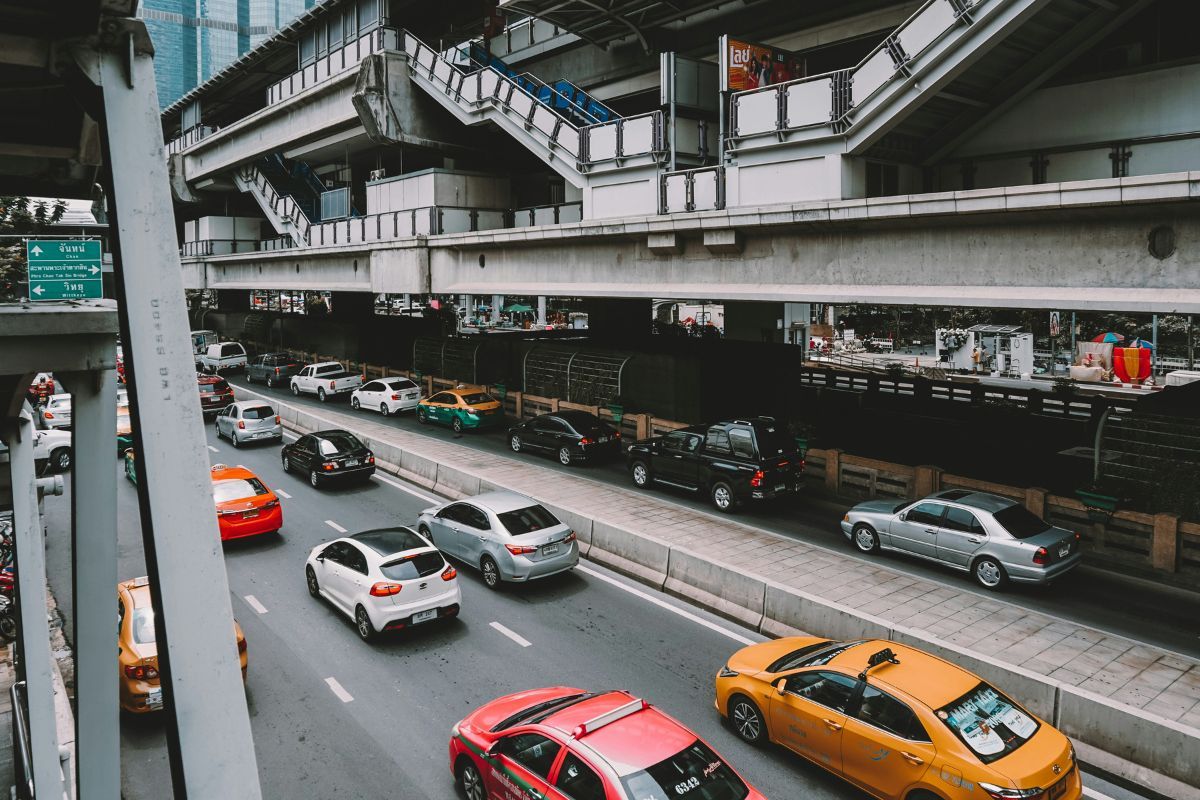
Practical Tips for Visiting Attractions in Bangkok
A little planning goes a long way in Bangkok. Distances can be deceptive, the weather can be intense, and popular attractions draw large crowds. These practical tips help travelers move more smoothly through the city while enjoying attractions at a comfortable pace.
1. Visit Popular Sites Early
Major attractions such as temples and royal landmarks are best visited early in the morning. Arriving before tour groups and peak heat allows you to explore more calmly and take better photos. Morning visits also make it easier to combine multiple nearby attractions without feeling rushed.
2. Use Public Transport Strategically
Bangkok’s BTS Skytrain, MRT, and river boats are often faster and more predictable than taxis during the day.
- River boats are ideal for moving between Old Town and riverside attractions while avoiding traffic
- BTS and MRT connect shopping areas, museums, and modern attractions efficiently Using public transport not only saves time but also gives a clearer sense of how the city functions day to day.
3. Respect Dress Codes and Etiquette
Temples and royal sites require modest clothing. Shoulders and knees should be covered, and hats removed. Carrying a light scarf or cover-up helps avoid last-minute inconvenience. Inside temples, observe how locals behave: speak softly, avoid stepping on thresholds, and never turn your back directly toward Buddha images when posing for photos.
4. Balance Ticketed and Free Attractions
Bangkok offers a strong mix of paid and free experiences. Ticketed attractions such as museums, observation decks, or theme-style attractions are best used as anchor stops. Free parks, markets, neighborhoods, and river walks work well in between, giving both budget relief and mental breathing room.
5. Avoid Overpacking Your Days
Trying to see too much in one day is one of the most common mistakes. Travel time, heat, and crowds can slow plans significantly. Instead of chasing long lists, group attractions by area and leave space for meals, rest, and spontaneous discoveries. Seeing fewer places well often feels more rewarding than rushing through many.
6. Plan Around Heat and Weather
Midday heat can be intense, especially from March to October. Outdoor sightseeing works best early in the morning or late afternoon, while midday is ideal for indoor attractions, cafes, or rest. Keeping this rhythm makes long days much more manageable.
The best way to experience Bangkok is not by trying to see everything, but by choosing the right mix. Combining iconic landmarks with local neighborhoods creates balance. Grouping attractions by area saves energy. Mixing cultural sites with modern attractions and outdoor spaces keeps days varied and enjoyable.
Bangkok rewards travelers who slow down, observe daily life, and allow room for unexpected moments, whether that is a quiet park break, a neighborhood café, or a sunset by the river.
For deeper planning and related guides, continue with:
Approached this way, Bangkok becomes more than a checklist of sights. It reveals itself as a layered, living city, one that blends history, modern life, and local rhythms into a travel experience that stays memorable long after the trip ends.
FAQs – Attractions in Bangkok
What are the must-see attractions in Bangkok for first-time visitors?
First-time visitors usually start with the Grand Palace, Wat Phra Kaew, Wat Pho, and Wat Arun. A boat ride along the Chao Phraya River is also highly recommended to understand the city’s layout and contrast between old and new areas.
How many days do I need to see Bangkok’s main attractions?
Most travelers need at least 3 days to cover Bangkok’s key attractions at a comfortable pace. This allows time for major temples, markets, one or two neighborhoods, and a mix of cultural and modern sights without rushing.
What is the best time of day to visit Bangkok attractions?
Early morning is best for temples and popular landmarks to avoid crowds and heat. Late afternoon and evening work well for riverside areas, markets, and skyline viewpoints. Midday is ideal for indoor attractions like museums and malls.
Are Bangkok attractions suitable for families with children?
Yes. Bangkok has many family-friendly attractions, including aquariums, interactive learning centers, and indoor cultural spaces. Many are air-conditioned and centrally located, making them suitable for young children and teens year-round.
Do I need to follow a dress code when visiting attractions in Bangkok?
Dress codes apply mainly to temples and royal sites. Visitors should cover shoulders and knees and avoid tight or revealing clothing. Carrying a light scarf or cover-up makes it easier to adapt during the day.
Are Bangkok attractions expensive?
Bangkok offers a mix of free and paid attractions. Temples, parks, markets, and neighborhoods are often free or low-cost, while museums, observation decks, and theme-style attractions usually require tickets. Mixing both helps manage budgets.
Is it better to get around Bangkok by taxi or public transport?
Public transport is often faster and more predictable. BTS Skytrain, MRT, and river boats help avoid traffic and connect many major attractions. Taxis work best for short distances or outside peak hours.
What are the best non-touristy attractions in Bangkok?
Travelers looking beyond the main sights often enjoy neighborhoods like Talad Noi, small community museums, canal-side areas, and local markets. These places offer a quieter, more local experience.
Are there good attractions in Bangkok during the rainy season?
Yes. The rainy season is ideal for museums, shopping malls, indoor cultural attractions, and food-focused experiences. Rain showers are usually short, and many attractions are connected by covered walkways or public transport.
Should I take a day trip outside Bangkok or focus on city attractions?
First-time visitors with limited time are usually better off focusing on Bangkok itself. Day trips to places like Ayutthaya Historical Park are more suitable for longer stays or repeat visitors.
What is the best way to plan Bangkok attractions efficiently?
Group attractions by neighborhood, balance outdoor and indoor activities, and avoid overpacking your schedule. Leaving room for rest, meals, and spontaneous stops often leads to a more enjoyable experience.
Is Bangkok safe for sightseeing?
Bangkok is generally safe for travelers. Basic precautions apply, such as watching belongings in crowded areas, staying hydrated, and following local etiquette at cultural sites.